
Underground Plant Life Discovery Challenges All Known Biology

Scientists have uncovered something surprising beneath the Earth’s surface. Deep underground, researchers found plants thriving in places no one expected them to survive. They’re growing without sunlight, pushing researchers to rethink what plants can actually do. The finding raised questions about how life adapts in extreme conditions. Some even wonder if it changes how we look for life beyond our planet. It’s a discovery that’s turning heads across biology and space science alike.
Discovery of Plant Life Deep Underground

Researchers stumbled upon plant life growing far beneath the Earth’s surface, and it left scientists amazed. Plants usually depend on sunlight, so finding them thriving in darkness raised big questions. The underground setting makes it even more surprising since life wasn’t thought to survive there. The study showed plants adapting in ways no one expected, and it also sparked curiosity about what else could be living in hidden places we’ve barely started to study.
Unusual Biological Characteristics

The plants found underground don’t follow the rules most of us learned in science class. They grow without sunlight, so researchers think they may rely on energy sources in the rocks around them. That makes their biology unusual compared to surface plants. Scientists also noted features that hint at unique survival strategies, which makes the discovery even more fascinating. It’s a reminder that life doesn’t always fit the patterns we expect and can adapt in surprising ways.
Adaptations to Extreme Environments

Plants found deep underground seem to thrive where light and surface nutrients can’t reach. Researchers think they may rely on chemical energy from rocks and water around them, which shows a very different way of living compared to plants on the surface. It’s also possible they developed traits that help them handle extreme pressure and isolation. The fact that they’ve managed to adapt in such conditions shows just how flexible life can be when it finds a way.
Implications for Plant Biology

Finding plants thriving underground has scientists rethinking long-held ideas about how life functions. If plants can survive without sunlight, then the range of possible habitats expands in ways many didn’t expect. It also gives researchers a chance to study new survival strategies that may apply to other organisms. The discovery just shows how much we still have to learn about plant biology, and it leaves many curious about what else might be uncovered beneath the surface.
Methods Used in Discovery

Researchers used drilling projects that reached deep below the Earth’s surface, and that’s where the unexpected traces of plant life appeared. Samples pulled from the depths showed organic material that scientists later confirmed came from living plants. Advanced imaging and chemical testing helped verify the findings, so there was little doubt about what they had uncovered. The process just shows how routine scientific work can suddenly reveal something that changes how researchers look at life on our planet.
Challenges to Existing Scientific Understanding
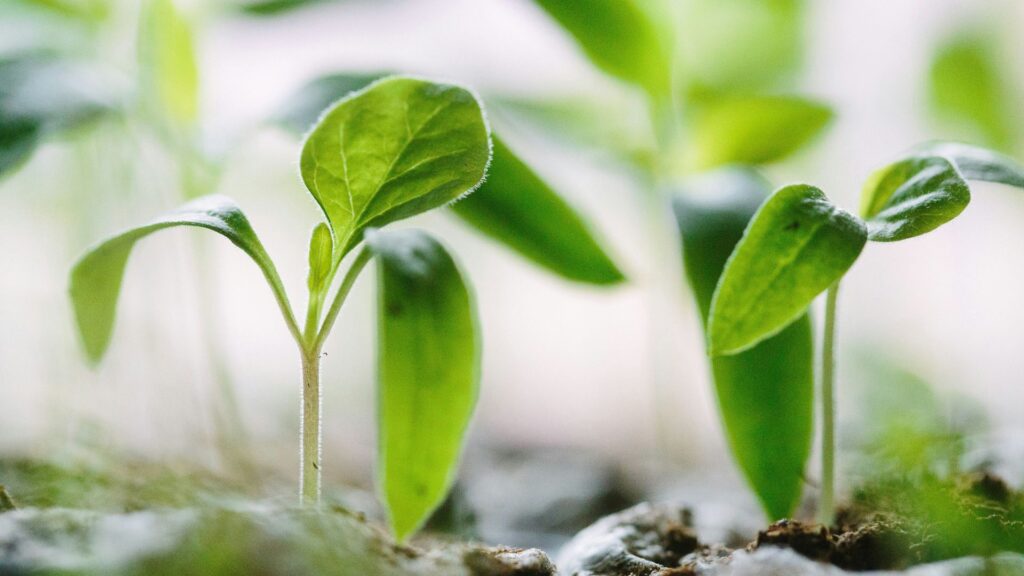
Plants growing underground without sunlight have left scientists rethinking long-held ideas. Textbooks describe photosynthesis as the base of plant life, so finding species that thrive without it raises new questions. Researchers now have to figure out how these plants manage energy and growth in such unusual conditions. It also adds curiosity about whether similar life forms might exist in other hidden environments. The discovery just showed that biology can still surprise us in ways no one expected.
Potential for New Ecological Insights

The underground plants could give scientists a fresh view of how ecosystems function in places once thought to be lifeless. They may also show links between surface biology and hidden environments, so researchers are eager to study how these systems connect. The plants just open the door to questions about nutrient cycles, energy sources, and even possible connections to microbial life. Every detail uncovered could help build a wider picture of how living systems adapt in unexpected spaces.
Future Research Directions in Subsurface Life

Scientists plan to keep studying how these plants survive underground, so future projects may focus on mapping their growth patterns and energy sources. They also want to compare these findings with similar organisms in other extreme settings to see just how wide their reach may be. Research could even help in the search for life on other planets. The plants just gave scientists a new reason to keep looking deeper into places that once seemed impossible for survival.
What Comes Next for Underground Plant Research

The discovery of plants growing underground opened up a fresh path for science. Researchers now have a new mystery to study, and that means more projects aimed at finding out how these plants work. It could also inspire new ways of looking at life in other extreme places. So the story isn’t finished. Scientists are just getting started, and the next step might reveal details that change how we think about life on our planet.
PetsFanatic Team
Pet Care Expert & Content Creator
Passionate about sharing knowledge and tips for better pet care. Writing about everything from pet health to training techniques.