
Trail Cameras Spot Elusive Carnivore Once Thought Extinct in California
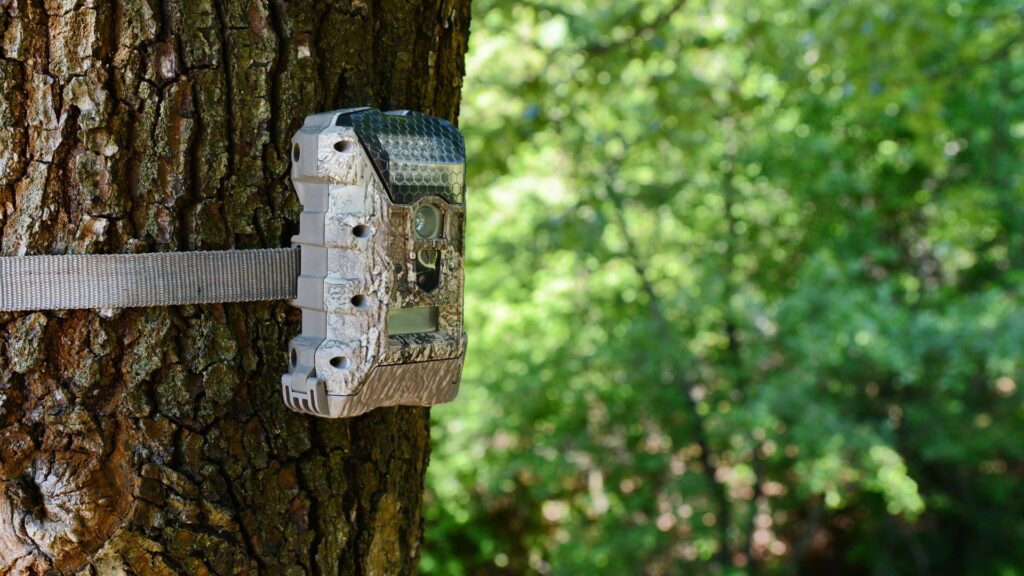
Deep in the forests of northern California, a small carnivore once written off as gone has surfaced again, and the proof comes from a grid of trail cameras quietly recording life beneath dense canopies. Those images now confirm that the coastal marten still moves through remote ridgelines near Klamath, where researchers recently set out to learn how many remain and where they persist.
Four Isolated Coastal Marten Populations Remain

Wildlife officials now confirm that only four isolated coastal marten populations remain, with two located in northwestern California and two in western Oregon, and that separation traces back to decades of trapping and logging that fractured what was once a broader coastal forest range.
Mid-Century Trapping And Logging Drove Decline

During the mid-20th century, heavy trapping for fur combined with widespread logging across coastal forests, and that sustained pressure reduced habitat and numbers to the point that wildlife officials later believed the coastal marten had disappeared entirely from parts of its historic range.
Rediscovery Of A Northern California Population In 1996

In 1996, researchers located a small surviving group of coastal martens in northern California, and that finding reversed earlier assumptions of extinction, which then prompted renewed surveys and closer monitoring of forested areas where the species had once been documented.
Federal Endangered Species Act Protection Status

Federal law now lists the coastal marten under the Endangered Species Act, and that designation places the species under formal protection, which then directs agencies to monitor remaining populations and address ongoing threats, including habitat loss, rodenticides, vehicles, and disease.
Three-Month Field Survey Near Klamath In 2022

During a three-month field effort in 2022, researchers surveyed roughly 150 square miles near Klamath, California, and as the work progressed, they relied on non-invasive tools to gather population and habitat data without capturing or directly handling the animals.
Hair Snares And Remote Cameras Map 150 Square Miles

Researchers placed 285 hair snares and 135 remote cameras across a 150 square mile study area, and as images and genetic samples accumulated, they were able to track presence and movement patterns without trapping the animals or disturbing their habitat.
Genetic Analysis Identifies 46 Individual Martens

Laboratory testing of hair samples gathered in the field revealed 46 distinct coastal martens within the study zone, and as researchers sorted the results, they determined that 28 were male and 18 were female, offering a clearer count of individuals present.
Canopy Forests And Woody Debris Habitat
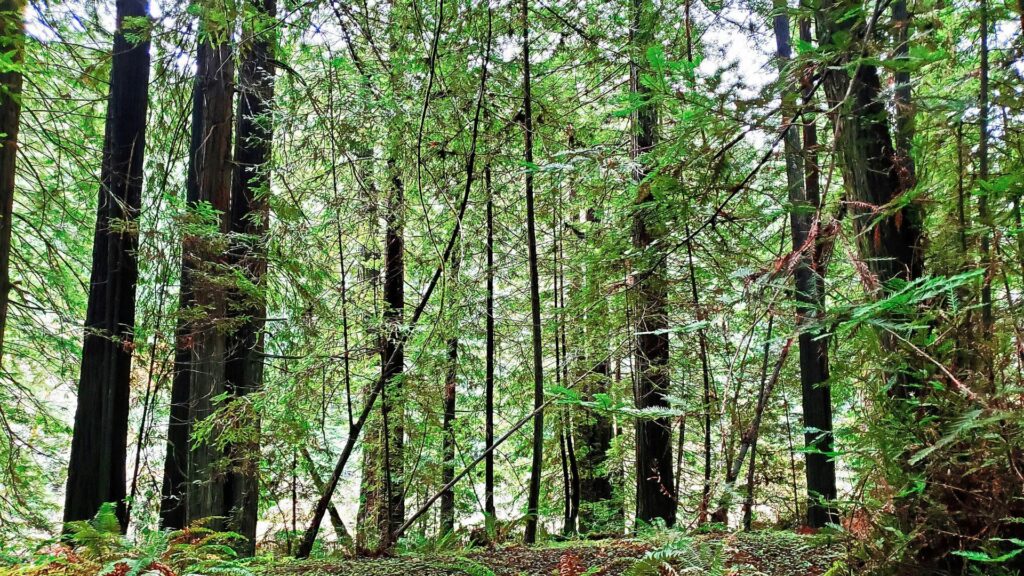
Field observations indicate that coastal martens concentrate in dense forest stands with heavy canopy cover, and as researchers examined site characteristics, they noted frequent use of large trees, hollow logs, and coarse woody debris that provide cover and hunting corridors.
Ongoing Monitoring Leaves Basic Questions Unanswered

Researchers now have clearer images and genetic counts, so that groundwork sets up longer-term monitoring across isolated habitats, which means scientists will keep tracking where martens persist and how their numbers change as threats from habitat loss, vehicles, and rodenticides continue.
PetsFanatic Team
Pet Care Expert & Content Creator
Passionate about sharing knowledge and tips for better pet care. Writing about everything from pet health to training techniques.