
Toxic Algae Bloom Kills Over 390 Marine Species
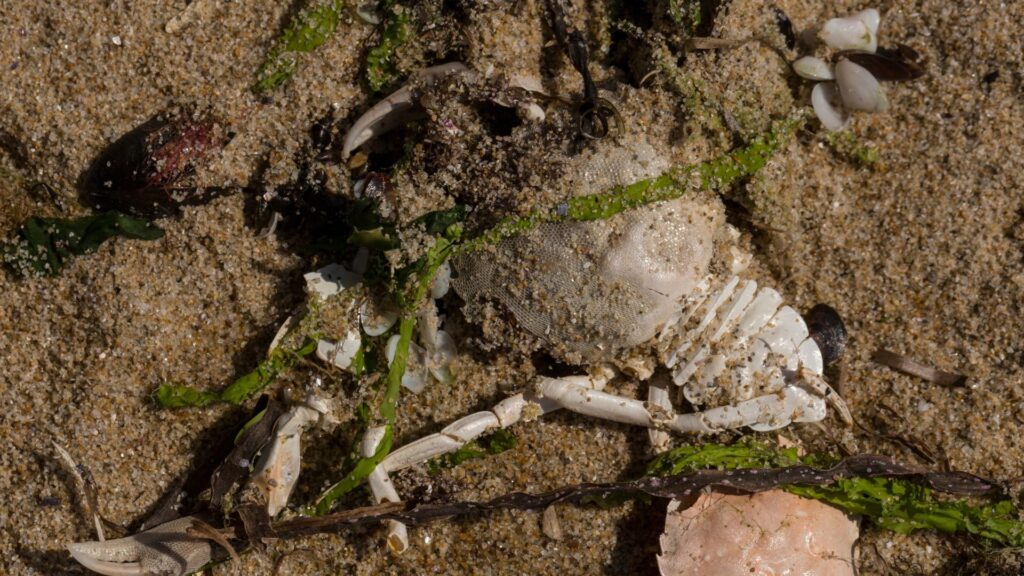
Beaches along southern Chile have turned into graveyards for sea life. Thousands of fish, shellfish, and other creatures are washing ashore in a die-off linked to toxic algae blooms. Officials counted hundreds of species affected, from tiny mollusks to large crabs and starfish. The bloom spreads quickly, fueled by warming waters and changing conditions. Locals describe scenes of sand covered in dead animals. Scientists continue tracking the bloom as more marine losses pile up daily.
Dead Marine Animals Washing Ashore

Locals walking along the coast are just finding stretches of sand covered in lifeless fish, crabs, and shellfish. The toxic algae bloom spreads fast, so the shoreline keeps filling with new losses every day. Officials counted hundreds of species affected, and the numbers keep climbing. Residents say the sight feels overwhelming, with once-busy waters now eerily still. Crews are also working nonstop to track the bloom, yet the die-off continues spreading across southern Chile’s beaches.
Harmful Algal Bloom Impact

Scientists confirmed the toxic bloom has wiped out over 390 marine species, so the scale of the damage feels staggering. Tiny organisms that form the base of the food chain are gone, and larger creatures like crabs, clams, and starfish have also died in huge numbers. The bloom depletes oxygen and releases toxins, making the water deadly. Researchers say it’s spreading fast, and local communities are just trying to keep up with the ongoing losses.
Widespread Species Mortality

Officials tracking the bloom reported a staggering number of deaths across Chile’s southern coast. Beaches are covered with lifeless marine animals, and the range of species affected is broad. From microscopic organisms to larger shellfish and crustaceans, the losses keep climbing. Scientists monitoring the waters say the bloom’s spread shows no sign of slowing. Residents also describe the situation as unlike anything they’ve seen before, with each tide washing in more evidence of the damage.
Toxicity Effects on Marine Life

The bloom releases toxins that spread through the water, so fish and shellfish die quickly after exposure. Oxygen levels also drop, which just makes survival even harder for anything living nearby. Starfish, clams, and mussels have been especially vulnerable, with entire beds wiped out in days. Smaller organisms that feed larger species are also disappearing, creating ripple effects throughout the ecosystem. Scientists are working to track these changes as the bloom continues moving along the Chilean coast.
Strain on Rescue and Cleanup Teams

Teams working along the coast are just overwhelmed by the nonstop flow of dead marine animals. Workers and volunteers have to clear beaches daily, so the effort feels endless. Crews also transport large piles of fish, crabs, and shellfish away before they decay in the heat. Officials say the workload grows each day as the bloom spreads farther. Communities are stepping in to help, but the losses keep adding pressure on every cleanup operation.
Environmental Factors Fueling Algal Blooms

Warmer ocean temperatures and shifting currents have created conditions where algae thrive, so the bloom just keeps spreading. Nutrient runoff from rivers also feeds the growth, making the water even richer for toxic species. Scientists say these changes combine to create a perfect setting for massive blooms. Local fishers notice the water turning murky and thick, and they also report that the bloom seems to linger longer than usual. Communities now watch closely as conditions continue to worsen.
Public Warnings and Safety Precautions

Officials urged residents to avoid collecting or eating seafood from affected beaches, so health risks don’t spread further. Signs went up along the coast warning families to stay out of the water, and local radio stations also broadcast alerts. People are just being told to keep pets away from the shoreline too, since contact can be harmful. Authorities continue sharing updates daily, so communities know what areas to avoid while the bloom remains active.
Long-term Ecosystem Consequences

Scientists warn that the losses reach far beyond the shoreline, so recovery could take years. With plankton wiped out, fish populations may struggle to rebound, and predators that depend on them will also face declines. Coral beds and seagrass meadows are just as vulnerable, since toxins linger in the water. Researchers say the chain of effects could reshape entire marine systems, leaving communities that depend on fishing worried about the future health of their waters.
What Communities Can Do Now

People living near the coast can stay alert by following local advisories and avoiding seafood from affected areas. Families should also keep pets and children away from the shoreline where algae blooms are active. Supporting cleanup teams through volunteering or supplies makes a real difference. Staying informed through official updates helps everyone respond safely. The algae bloom continues to spread, so communities working together can reduce risks and protect themselves during the ongoing crisis.
PetsFanatic Team
Pet Care Expert & Content Creator
Passionate about sharing knowledge and tips for better pet care. Writing about everything from pet health to training techniques.