
Yellowstone Tourists Called Out For Laughing At ‘Dancing’ Bison – Expert Reveals Truth

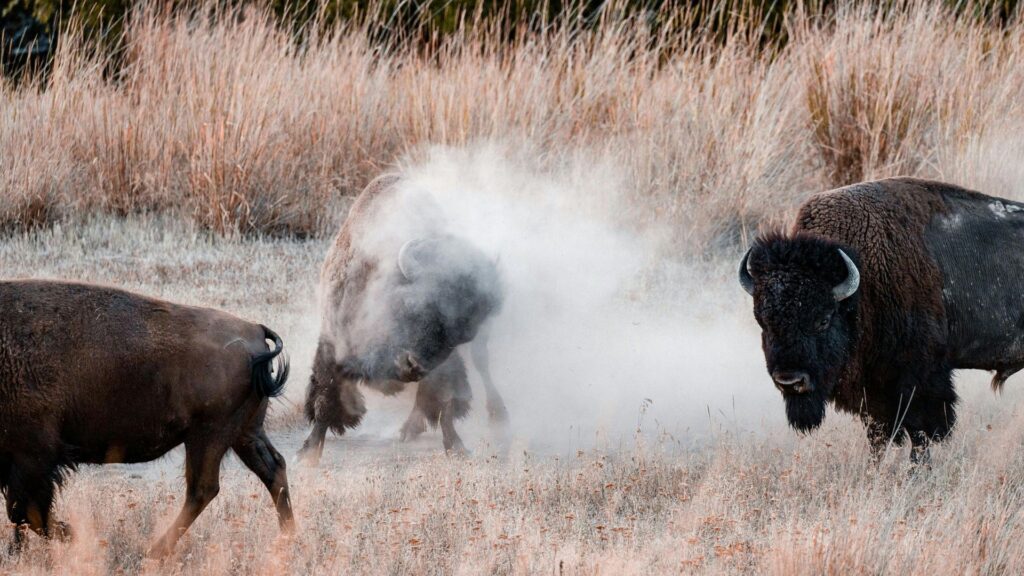
Tourists at Yellowstone thought they were watching a bison put on a funny dance, and the laughter quickly spread through the crowd. Phones came out, clips hit social media, and the scene drew plenty of reactions. What seemed like a lighthearted moment wasn’t what it looked like at all. A wildlife expert later stepped in to explain what the animal was actually doing, and the explanation gave people a whole new perspective on the viral video.
Tourist Reactions to Bison Behavior

Visitors gathered near the animal, and many couldn’t hold back laughter once the bison started moving around. Some thought it looked like a dance, so phones came out and people shared the moment online. The laughter felt lighthearted, but not everyone agreed with how the crowd responded. Videos spread quickly and drew sharp comments from others who said the behavior shouldn’t have been taken as a joke. The reaction highlighted just how differently people viewed the same scene.
The Reality Behind Dancing Bison

What looked funny to onlookers had nothing to do with a dance. A Yellowstone expert explained that the bison wasn’t performing at all, but was actually reacting to irritation on its body. So the swaying, twisting, and sudden movements came from trying to shake off bugs and ease discomfort. The insight gave people a clearer picture of what really happened. It also showed why wild animal behavior can be misread so easily when seen through a tourist’s eyes.
Bison Social and Territorial Displays

Bison move to shake off bugs, but also to show off behaviors that connect to their social life. Experts explained that head tossing, pawing the ground, and sudden shifts in stance can send signals to other bison. So what looked like a silly routine in the viral clip might have been a display of dominance or a way to mark space. These signals help maintain order within herds and keep interactions between animals in check.
Common Misconceptions About Wildlife
Many people see animal behavior through a playful lens, so movements that look funny can get mistaken for entertainment. Wildlife experts often point out that actions we laugh at might signal stress, communication, or self-defense. It’s easy to forget that national park animals aren’t performing, but are just living their daily routines. Misunderstandings spread quickly online, which also shows why context matters when people react to clips without knowing what the behavior actually means in nature.
Risks of Underestimating Wild Animals

Bison may look calm from a distance, but they can move fast and react with little warning. Tourists sometimes treat close encounters like a photo opportunity, so they miss the signals that show when an animal feels stressed. Experts remind visitors that a bison weighing over a ton isn’t harmless, even if it seems relaxed. People who step too close or laugh off the behavior put themselves at risk and also create unsafe conditions around the herd.
Expert Insights on Bison Movements

Wildlife experts shared that the twisting and stomping caught on video weren’t signs of a playful mood. The movements often connect to grooming or are a way to handle irritation. So when a bison rolls its shoulders, swings its head, or paws the dirt, it might just be trying to ease discomfort. Experts also noted that these actions can look dramatic to tourists, which is why people sometimes mistake natural behavior for something entertaining.
Importance of Respectful Wildlife Viewing

Visitors are reminded that national parks give people a chance to see animals in their natural habitat, so respect matters. Experts often stress keeping a safe distance, since even calm-looking bison can react quickly. Tourists sometimes get caught up in the moment and forget the animal’s size and strength. Respectful viewing also helps reduce stress for the wildlife, so the experience stays safer for both people and the animals that call Yellowstone home.
Educational Efforts for Park Visitors

Yellowstone has worked on teaching visitors how to read animal behavior, so people can better understand what they’re watching. Rangers share safety tips during talks, and signs around the park give reminders about distance and respect. Social media channels also spread quick lessons about wildlife, so the information reaches wider audiences. These efforts help visitors see the animals as more than entertainment, and they just make the experience feel richer for anyone walking through the park.
What Visitors Can Take Away

Tourists may laugh at moments that look funny, but wildlife often tells a different story. Bison movements can mean irritation, dominance, or communication, so treating them like a show misses the real picture. Keeping distance, watching with respect, and learning from experts makes every visit safer and richer. Yellowstone gives people a rare chance to see animals up close, so taking the time to understand behavior makes the experience memorable for the right reasons.
PetsFanatic Team
Pet Care Expert & Content Creator
Passionate about sharing knowledge and tips for better pet care. Writing about everything from pet health to training techniques.