
1.5‑Million‑Year‑Old Tools in Indonesia Suggest Humans Arrived Far Earlier Than We Thought

Scientists uncovered stone tools in Sulawesi that push early human activity far deeper into the past than anyone expected. The dig revealed small chipped pieces once used to cut meat and shape rock. Dating placed them at about 1.48 million years old. That age points to Homo erectus reaching the island long before earlier sites in the region. The find adds fresh energy to discussions about early movement across Indonesia’s island chain.
Earliest Known Toolmakers in Wallacea

Archaeologists working in Sulawesi uncovered small stone tools that point to some of the earliest known toolmakers in Wallacea. The pieces sat deep in the soil, so the team used dating methods on the tools and nearby animal teeth. Results placed them at around 1.48 million years old. That age pushed early human activity in the region far earlier than expected. The tools also hinted at steady hands and simple tasks like cutting meat or shaping rock, which helped guide the investigation.
Evidence From the Soppeng Excavation
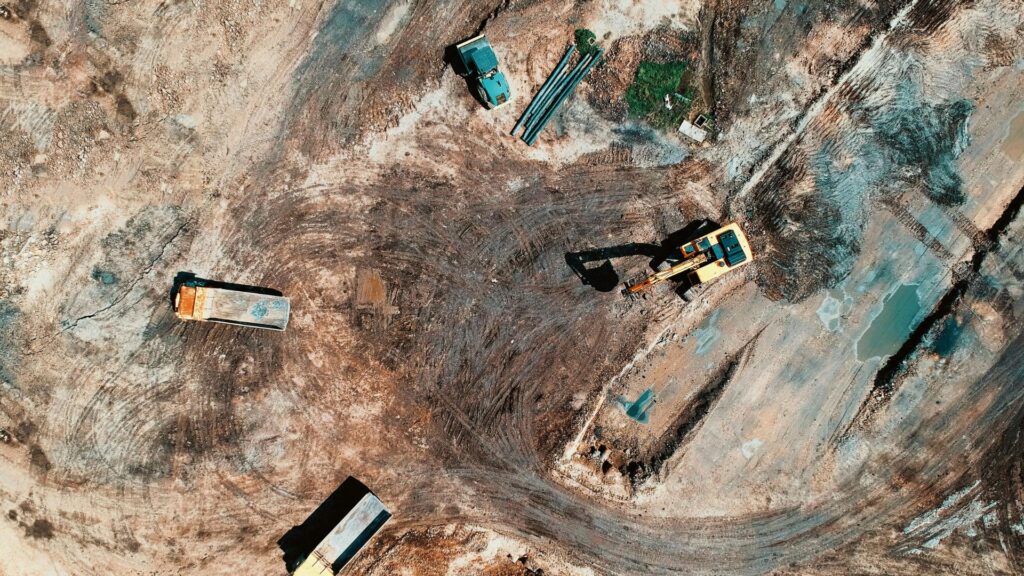
Archaeologists worked through layers of soil in Soppeng and uncovered small chipped tools that looked like they came from everyday tasks. The team also found animal teeth nearby, so they tested both items to confirm their age. Results pointed to nearly 1.5 million years, which surprised everyone on site. The pieces sat in a quiet part of South Sulawesi, and the steady pattern of finds helped researchers feel confident that early humans stayed in the area long before earlier timelines suggested.
Dating Methods Used on Tools and Teeth

Researchers used radioactive tracing to study the age of the tools and the animal teeth found beside them. The method let the team measure tiny signals in each sample, and the numbers pointed to dates reaching about 1.48 million years. The approach also helped confirm that both the tools and the teeth settled in the soil during the same period. The results gave archaeologists a clear timeline to follow, so they could build a steady picture of early human activity in Sulawesi.
Rethinking Early Human Movement

Researchers started to look at early movement in a new way after the Sulawesi dates came in. The age suggested that Homo erectus reached the island far earlier than sites in Flores or Luzon, so the team began to widen their view of how these groups traveled. They had to consider long stretches of water and how early humans managed to cross them. The idea also encouraged fresh questions about routes through the island chain and how early groups settled there.
Homo Erectus Presence in Island Southeast Asia

Homo erectus stood out in Island Southeast Asia far earlier than researchers expected, so the Sulawesi findings caught attention right away. The age of the tools suggested that these early humans reached the region long before later sites in Flores or Luzon. The idea also pointed to steady movement across wide island chains. Researchers started asking how these groups traveled, where they landed, and how far their reach extended as they settled across parts of Eastern Indonesia.
Insights From Lead Archaeologist Adam Brumm

Adam Brumm looked at the finds in Sulawesi and shared how the tools pointed to ancient humans long before our species appeared. He explained that Homo erectus likely reached the island more than a million years ago, so his team started looking at how they crossed deep water. His comments also helped ground the study in simple observations about tool use and movement. Researchers appreciated how he framed the discovery with clear points that guided further questions.
Ocean Crossings Reaching Sulawesi

Homo erectus reaching Sulawesi more than a million years ago gave researchers a fresh reason to look at ancient ocean crossings. The island sits behind deep water, so the idea raised new questions about how early groups managed the trip. They may have used simple watercraft or taken advantage of short breaks in currents. The findings also showed that movement through Island Southeast Asia started far earlier than later settlements suggested, and the route toward Sulawesi now stands out in new ways.
Wallacea’s Place in Human Prehistory

Wallacea sits between major landmasses, so it often draws interest from researchers who study early movement across Island Southeast Asia. The mix of islands includes Sulawesi, Lombok, Flores, Timor, and Sumbawa. Each one adds clues about how early humans traveled and settled. The Sulawesi tools also showed how far back activity in the region may go. Researchers looked at Wallacea again with fresh curiosity, and the chain gained a stronger place in conversations about early human paths.
Looking Ahead to New Research Paths

Scientists now have a fresh reason to look at early movement across Island Southeast Asia with sharper curiosity. The Sulawesi finds pushed the story far deeper into the past, and the age of the tools gave researchers a new starting point. More digs may follow, and each one could add another clue to how early humans reached these islands. The region sits wide open for further study, so researchers expect more surprises as work continues.
PetsFanatic Team
Pet Care Expert & Content Creator
Passionate about sharing knowledge and tips for better pet care. Writing about everything from pet health to training techniques.