
The Mystery of the Deepest Blue Hole on Earth
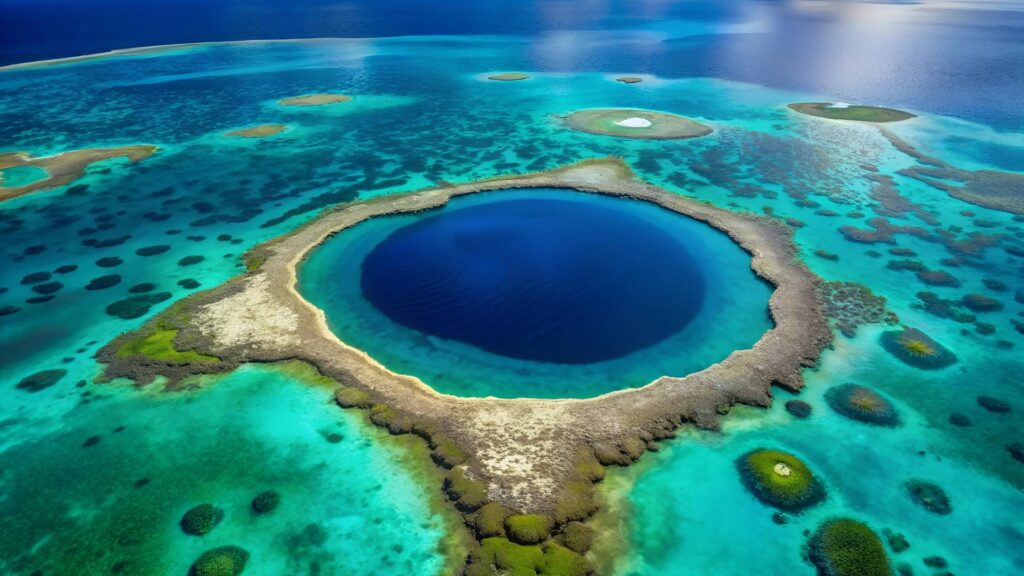
Blue holes are nature’s unopened gifts—secret pits of deep, dark water that seem bottomless. Now, scientists have found the deepest one of all in Mexico’s Chetumal Bay. These sinkholes reveal stories of ancient geology, hidden marine tunnels, and even clues about past climates. Grab your snorkel, and here are some facts that prove the Taam Ja’ Blue Hole is more than a hole.
Taam Ja’ Holds the Depth Record

Located in the southeast corner of the Yucatán Peninsula, the Taam Ja’ Blue Hole has been confirmed as the deepest known blue hole on Earth. Researchers measured it at over 420 meters deep, which is roughly 1,380 feet. No one has yet touched the bottom. That means this underwater pit is deeper than the Empire State Building is tall. It beats the previous record-holder, the Dragon Hole in the South China Sea, by nearly 400 feet.
Echo Sounding and CTD Gave Different Readings

Initial depth estimates used echo sounding technology in 2021, which recorded about 274 meters. But later, scientists deployed a conductivity, temperature, and depth profiler—a tool measuring conductivity, temperature, and depth—during dives in late 2023. That device reported depths exceeding 420 meters. However, the CTD cable bent downward due to currents or ledges, meaning the real bottom is still elusive.
Depth Still Unknown, But Likely More Than 420m
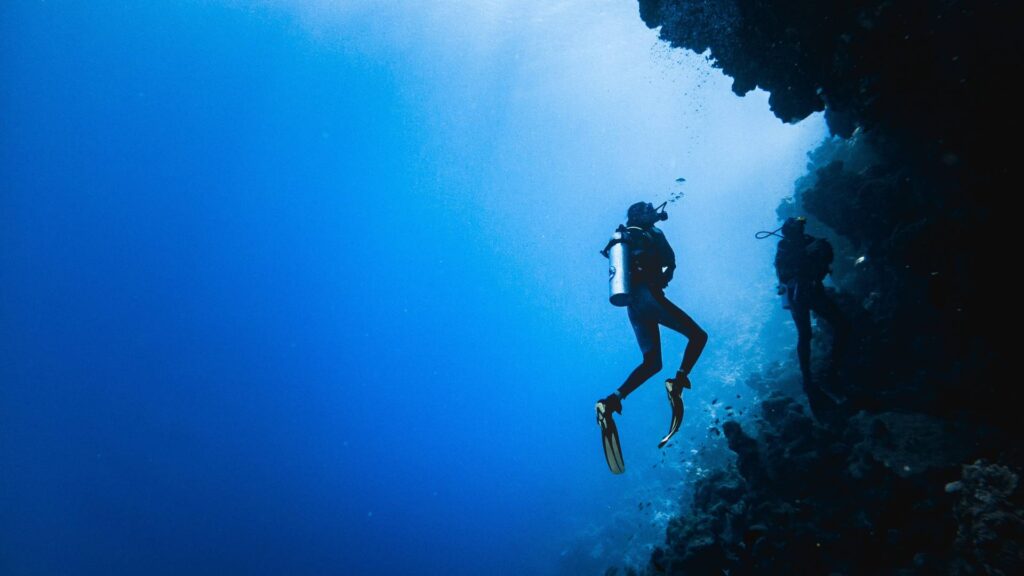
Due to limitations in the CTD cable length and the complex shape of the hole, the actual base remains undiscovered. The sonar and CTD results hint at an underwater ledge or tunnel system preventing full descent. Scientists suspect the hole could extend beyond the probe’s 500-meter reach, making its maximum depth one of the last great unknowns of the ocean.
Possible Underwater Tunnel Connections

Water at around 400 meters down in Taam Ja’ showed temperature and salinity levels matching surface Caribbean water, suggesting underground tunnels link the hole to reef lagoons. These hidden conduits could stretch deep beneath the sea floor. If true, they reshape what researchers expect—from thinking of the hole as isolated to viewing it as part of a labyrinth of marine caves
Name Means “Deep Water” in Mayan

The hole’s name, Taam Ja’, comes from the Mayan language and translates directly as “deep water.” Locally, it stayed under the radar for years until a Chetumal Bay fisherman followed a grouper into its mouth. Only later did scientists re-examine the spot and confirm its extraordinary depth. It proves sometimes the biggest discoveries are hiding in plain sight.
Predecessor Dragon Hole Now in Second Place

Before Taam Ja’ took the title, the Dragon Hole in China’s South China Sea reigned supreme at approximately 301 meters deep. Also known as the Yongle Blue Hole, Dragon Hole held explorer interest for years with its mapped caves and anoxic depths. Taam Ja’ surpassed it in 2024 and now pushes Dragon Hole to the runner-up spot.
Dean’s Blue Hole: Third Deepest, But Still Famous

In the Bahamas, Dean’s Blue Hole dives straight down about 202 meters below the ocean’s surface. While it ranks third in depth, its natural beauty and annual freediving competitions make it iconic. With near-perfect visibility and a cavern-like shape, it remains a tourist magnet, even though others now dive deeper.
Blue Holes Provide Climate and Microbial Clues

Sediments in deep blue holes like Dragon Hole and others have revealed ancient carbon, microbial life, and paleoclimate clues stretching back thousands of years. Taam Ja’ could be a similar time capsule, with its stable low-oxygen zones preserving unique records of past environments. That makes it a treasure for marine scientists, not just thrill-seekers.
Diving Expeditions Are Rare and Intense

Only a handful of divers—fewer than ten—have descended even halfway into Taam Ja’. Early exploration teams described diving at 45 meters before peeling off due to pressure and darkness. Underwater currents, thermoclines, and safety limits make direct exploration nearly impossible for now, making remote sensing and robotics the future of discovery.
A geological mystery still unfolding…

At over 1,380 feet deep and still uncharted, it holds tunnels, ancient chemical layers, and maybe even new species. For science, exploration, and curiosity’s sake, the deepest blue hole isn’t done revealing secrets. And maybe that’s exactly what makes it so thrilling.
PetsFanatic Team
Pet Care Expert & Content Creator
Passionate about sharing knowledge and tips for better pet care. Writing about everything from pet health to training techniques.