
The Discovery at Easter Island That Could Rewrite History As We Know It

A long-standing archaeological debate surrounding one of the world’s most mysterious writing systems may be closer to an answer. New scientific evidence suggests that the people of Rapa Nui could have developed their unique script earlier than previously thought, raising important questions about human creativity, isolation, and cultural independence.
Origins of a remote civilization

Human expansion across the planet took tens of thousands of years, unfolding gradually after the first migrations out of Africa between 60,000 and 90,000 years ago. Among the last regions settled by humans was Rapa Nui, also known as Easter Island, a small landmass in the southeastern Pacific. Despite its isolation, the island became home to a thriving culture that developed complex social and artistic traditions.
An island at the edge of the world

Rapa Nui lies roughly 2,360 miles off the coast of Chile, which formally annexed the island in 1888. It is widely considered one of the most geographically isolated inhabited places on Earth. The Rapa Nui people are believed to have arrived between 1150 and 1280 CE, maintaining centuries of cultural development with minimal outside contact until European explorers reached the island in the early eighteenth century.
First contact with Europe

European awareness of Rapa Nui began in 1722, when Dutch navigator Jacob Roggeveen arrived on its shores. Subsequent visitors encountered monumental stone statues known as moai, which later became iconic symbols of the island. Alongside these sculptures, Europeans also documented a lesser-known cultural artifact, a mysterious system of symbols carved into wooden tablets.
The mystery of Rongorongo

The carved symbols, now referred to as Rongorongo, form a unique three-dimensional script composed of small pictorial signs called glyphs. Unlike most known writing systems, Rongorongo remains undeciphered to this day. Its structure and reading direction differ markedly from European scripts, adding to the intrigue surrounding its origins and purpose.
A debate that spans generations

Since Rongorongo was not formally described until 1864, scholars have long debated whether it was an independent invention or a product of European influence after contact. Writing systems are rare in human history, typically emerging within complex societies, which has made the possibility of an isolated island culture inventing one especially controversial.
Radiocarbon dating offers new clues

A recent study applied radiocarbon dating to four wooden tablets bearing Rongorongo inscriptions. The results revealed that one tablet was made from wood cut between 1493 and 1509, well before Europeans arrived on the island. This finding suggests that the script could have existed prior to any sustained foreign contact.
Why this finding matters

If Rongorongo truly predates European arrival, it would represent one of the few independent inventions of writing in human history. Comparable developments occurred in places such as Mesopotamia, Egypt, China, and Mesoamerica. Adding Rapa Nui to this list would significantly reshape current understanding of cultural innovation in isolated societies.
Structural differences strengthen the case

Researchers also point to the internal logic of Rongorongo as supporting evidence. Its symbols, layout, and apparent narrative flow do not resemble European writing traditions. According to lead author Silvia Ferrara of the University of Bologna, these characteristics suggest an internally developed system rather than one borrowed or adapted from outsiders.
Important limitations remain

Despite its significance, the study comes with notable caveats. Radiocarbon dating identifies when a tree was cut down, not when the symbols were carved. While it is unlikely that centuries-old wood would have been used for inscription, the uncertainty remains. Additionally, only one of the four analyzed tablets yielded a pre-European date, limiting the strength of the conclusion.
The search for answers continues
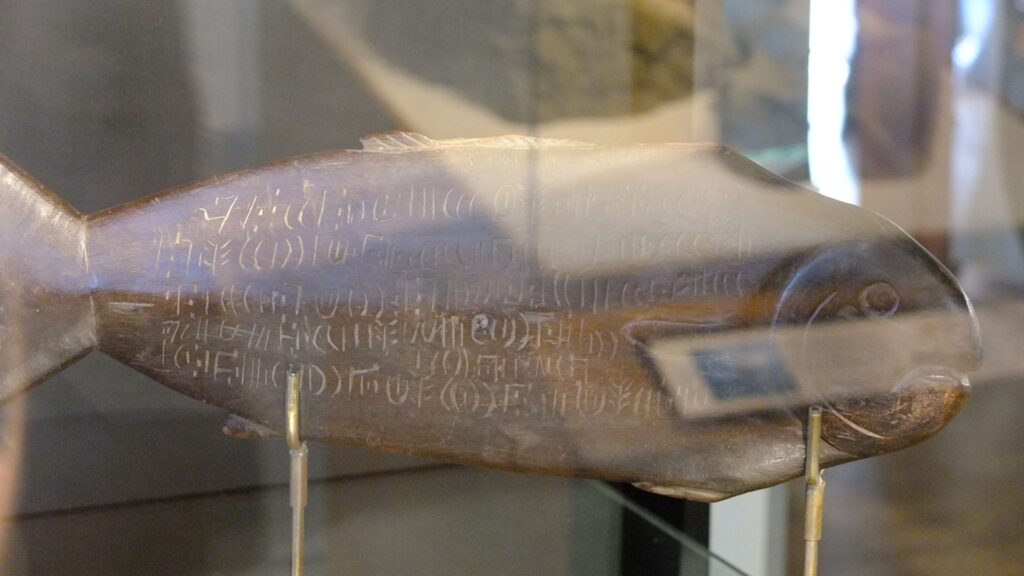
Only 27 Rongorongo objects are known to exist today, scattered across museums and private collections worldwide. Accessing and analyzing the remaining tablets poses logistical challenges, but further study is essential. Each new piece of evidence helps place the intellectual achievements of the Rapa Nui people within their rightful historical context, ensuring their legacy is better understood and accurately represented.
PetsFanatic Team
Pet Care Expert & Content Creator
Passionate about sharing knowledge and tips for better pet care. Writing about everything from pet health to training techniques.