
Study Finds Mosquitoes Are Showing A ‘Strong Preference’ for Humans

In Brazil’s Atlantic Forest, researchers have been taking a closer look at what mosquitoes feed on, and the answers are raising new concerns. As forests thin and human presence grows, those routine blood meals are telling a different story, one that increasingly points back to people.
Human Blood Dominates Identified Mosquito Meals
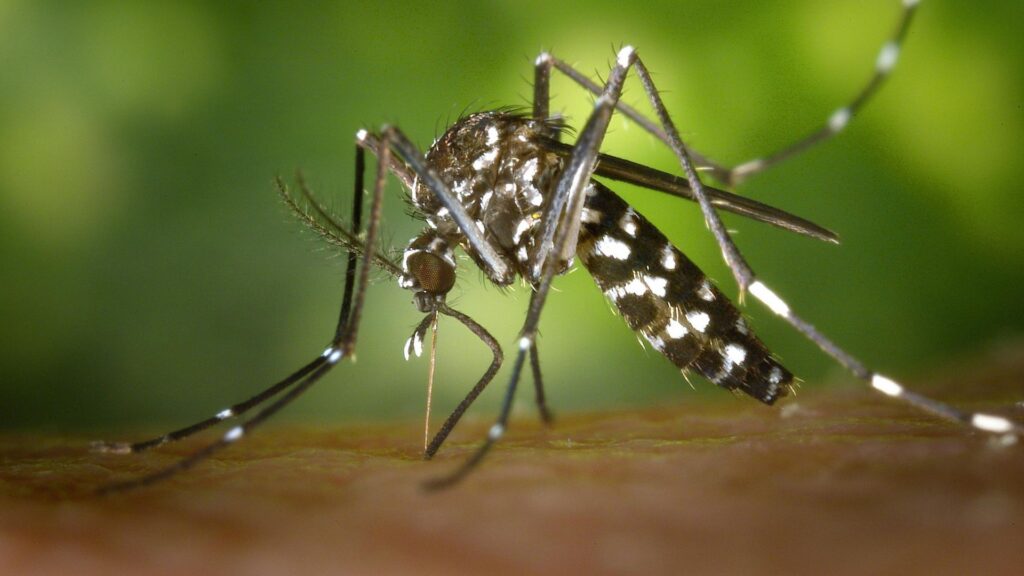
Out of 1,714 mosquitoes collected in Brazil’s Atlantic Forest, researchers identified 24 blood meals, and 18 of those traced back to humans. As DNA barcoding narrowed the host list, human blood appeared far more often than amphibians, birds, rodents, or canids, pointing to a clear feeding pattern.
DNA Barcoding Reveals Host Species

Inside the lab, researchers extracted DNA from the blood found in engorged female mosquitoes, and then they sequenced a gene that functions like a species barcode. As those genetic codes were matched against reference databases, each blood meal pointed back to a specific vertebrate host.
Atlantic Forest Habitat Loss and Biodiversity Decline

Stretching along Brazil’s coastline, the Atlantic Forest once covered about 1.3 million square kilometers, yet ongoing deforestation has reduced it to roughly 377,000 square kilometers, and as that habitat contracts, hundreds of bird, amphibian, and mammal species lose ground alongside it.
Rising Temperatures and Expanding Disease Risk

As global temperatures rise, mosquito habitats extend into regions that once limited their survival, and with that expansion comes greater exposure to viruses like dengue, Zika, Yellow Fever, and West Nile, which researchers note have already reached farther north in recent years.
Engorged Female Sampling and Limited Amplification Rates

Researchers captured 1,714 mosquitoes across two reserve sites, yet only 145 females carried blood, and as lab analysis continued, DNA amplified successfully in 55 samples, which then narrowed to 24 meals that could be matched to identifiable vertebrate hosts.
Mixed Blood Meals Across Mosquito Species

Closer genetic analysis showed that some mosquitoes fed on more than one host during a single blood meal, and as species like Cq. venezuelensis and Cq. Fasciolata were examined, and researchers detected combinations of amphibian, rodent, bird, and human DNA within the same specimen.
Human Proximity and Host Availability Patterns

As forest areas give way to farms and settlements, natural vertebrate hosts become less accessible, and in that changing environment, mosquitoes encounter humans more frequently, which increases feeding on the most available and nearby host within fragmented Atlantic Forest reserves.
Targeted Surveillance and Vector Control Strategies

As researchers link feeding patterns to transmission risk, health officials can refine surveillance in areas where mosquitoes favor humans, and with that data guiding prevention efforts, communities can adjust repellent use, outdoor exposure, and monitoring programs in regions facing higher viral circulation.
Feeding Patterns Point to Heightened Transmission Risk

Researchers now see that human blood appears repeatedly in identified meals, so that pattern signals closer contact between mosquitoes and people, which means surveillance and prevention efforts must track where those encounters occur and how environmental change continues to reshape exposure.
PetsFanatic Team
Pet Care Expert & Content Creator
Passionate about sharing knowledge and tips for better pet care. Writing about everything from pet health to training techniques.