
Studies Show Dogs of Chernobyl Have Evolved Into Something Unheard Of

Imagine the stray dogs roaming around a ghost town powered by a reactor meltdown, somehow still thriving decades later. While no one’s sculpting mutant superheroes, the dogs near Chernobyl are showing real genetic shifts.
A wild blend of genetics, resilience, and possibly the beginning of a whole new chapter in evolution. These dogs aren’t mutants with superpowers, but what’s happening inside their DNA is something unheard of.
Genetic Time Capsules in the Zone
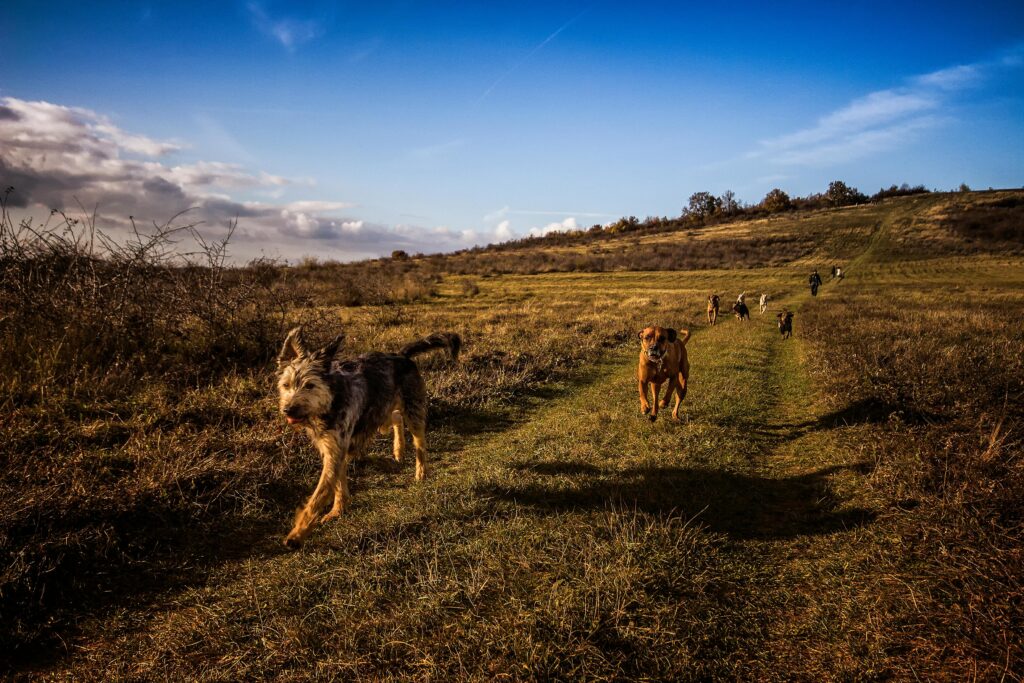
A landmark study published in Science Advances found that free‑roaming dogs around Chernobyl form distinct genetic groups based on where they live. Samples from dogs near the plant, in Chernobyl City, and farther out in Slavutych show clear separation.
These groups appear to have diverged over dozens of generations since the 1986 disaster. The two closest populations show signs of family clusters and isolation. Scientists believe that the combination of chronic radiation and limited gene flow helped forge a canine community unlike any other. That discovery set the stage for deeper questions about adaptation and survival.
No Obvious Radiation Mutations Yet

Researchers compared the DNA of these Chernobyl dogs with canines from outside the exclusion zone and found no overt signatures of radiation‑driven mutations. Instead, differences likely stem from small population effects, breeding patterns, and environmental pressures. Though the dogs are genetically unique, the team cautions that radiation may not be the sole driver of change. They suspect that isolation, selective survival of certain individuals, and non-radiation toxins could all play a role. The findings remind everyone how adaptation can take surprising routes in strange settings.
Evidence of Selective Advantage

A study led by geneticists including Elaine Ostrander and Gabriella Spatola suggests that dogs in high‑radiation areas may carry genes tied to DNA repair, immunity, and dealing with cellular stress. Reports highlighted about 52 candidate genes linked to radiation response that appear more common in the dogs living closest to the plant.
Also, some scholars think these genes might have helped survivors produce healthier litters under harsh conditions. Whether that represents rare natural selection in action or random survival remains an open question, but it sets a fascinating stage.
Two Separate Packs, One Strange World

Observations show that dogs near the power plant and those in Chernobyl City form two largely distinct communities, even though they are only about nine miles apart. Both groups trace their roots to German Shepherd‑like ancestors, hinting at the pets left behind during the evacuation. Over decades, they’ve bred in isolation. DNA data revealed minimal mixing between the groups, which is remarkable for nomadic animals. These findings point to ecological and genetic boundaries created by the disaster and its aftermath.
A Window on Long‑Term Survival

In 2023, Scientific American featured the dogs to spotlight how studying them could help people understand the biological effects of chronic radiation. Because dogs often share environments and diets similar to ours, researchers hope to use these animals to learn more about genetics and health risks in long‑term exposure scenarios. The study also revealed that stray dogs within the exclusion zone tend to stay close to home and form pack structures, instead of roaming widely. That adds another layer of insight into the social and evolutionary lifestyle they’ve created.
Adaptation or Just Drift?

An article in Popular Mechanics discussed the possibility that the dogs’ unique genome might be the result of random genetic drift happening in small, isolated populations. It also raised the idea that natural selection might have favored individuals with stronger resilience to toxins or stress in the environment. Radiation is not the only threat here. Lead, pesticides, and other dangers could have shaped the dogs’ genes without direct mutational effects. The takeaway is that nature often molds survivors in complex ways.
Real‑World Genetics Meets Canine Care
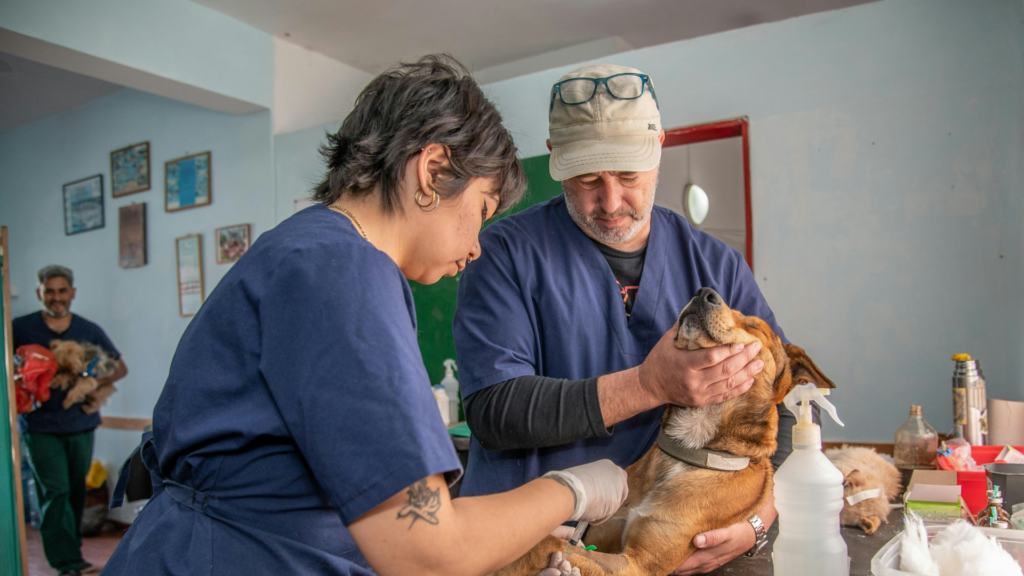
According to National Geographic, veterinarians working in Chernobyl have not only studied the dogs but also cared for them. Teams have vaccinated and tagged the animals and even monitored radiation through dosimeters. A few puppies born in the zone were rescued after their mothers died and later adopted abroad. Those puppies are being tracked for the rest of their lives to check for health or genetic issues. The dogs live in an ecosystem built on science and compassion, offering lessons for future studies.
More Than Mutants—Remarkable Survivors
The Atlantic described the dogs near the plant as living fossils or time capsules that may carry traits enabling survival in a radioactive environment. Some experts speculate that these dogs might even show enhanced resistance to cancer based on genomic hints.
Regardless of cause, these animals have thrived for generations in a place where few expected any mammals to endure. Their story combines cautionary science with an inspiring tale about adaptation and resilience.
What Does This All Mean?

Chernobyl’s dogs aren’t outlandish monsters born of radiation. Rather, they’re fascinating survivors shaped by isolation, environment, and perhaps selective pressures in a uniquely harsh world. Scientists are only beginning to untangle the web of genetics, adaptation, and chance that defines these canines.
Along the way, they may teach us how life confronts extremes, and what that could mean for humans living in risky environments.
PetsFanatic Team
Pet Care Expert & Content Creator
Passionate about sharing knowledge and tips for better pet care. Writing about everything from pet health to training techniques.