
Shiny New Snake Species Honors Steve Irwin’s Legacy

Many people still feel a spark when they hear Steve Irwin’s name. His energy and love for wildlife created a path that inspired countless young fans to chase their own curiosity. Plenty of tributes have surfaced over the years, yet new ways to honor his influence keep appearing. His legacy carries a kind of momentum that refuses to fade, and it continues to shape how people study creatures that rarely get a spotlight.
Naming Of Irwin’s Wolf Snake

Researchers chose the name Irwin’s wolf snake to honor Steve Irwin, so the tribute feels personal for anyone who grew up watching his work. The team shared how his energy shaped their own careers, and they wanted a name that reflects that influence. The species carries his legacy in a simple way, and the gesture also celebrates the passion he sparked in people who now study wildlife for a living.
Location On Great Nicobar Island
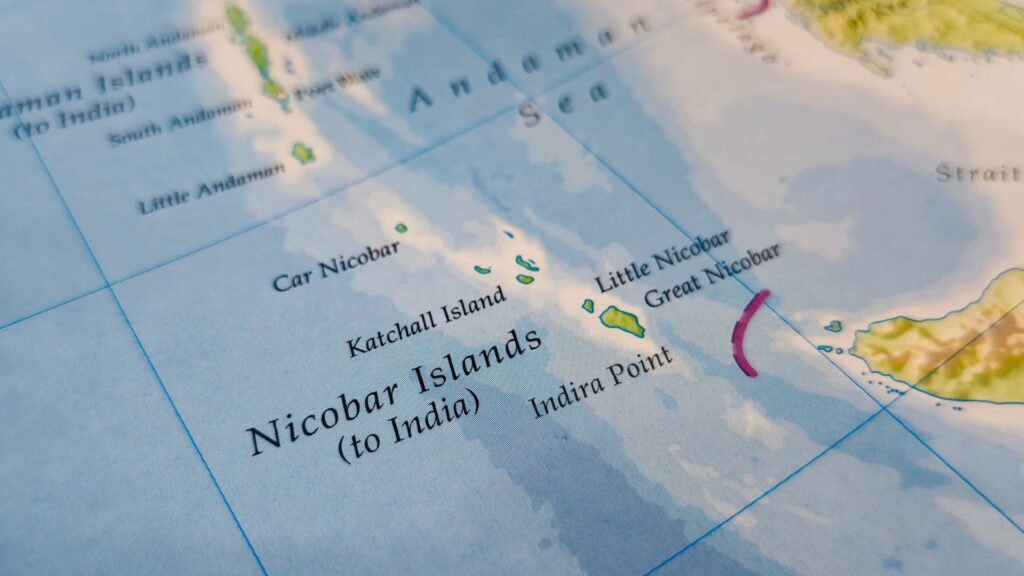
Irwin’s wolf snake comes from a moist evergreen forest on Great Nicobar Island, and the setting shapes how rarely people see it. The island sits far from busy regions, so researchers rely on limited fieldwork to learn more about the species. The team gathered three specimens from the same area, and each find helped confirm how local the snake seems to be. The forest gives it steady cover, and the remoteness keeps sightings low.
Features Of The Glossy Black Snake
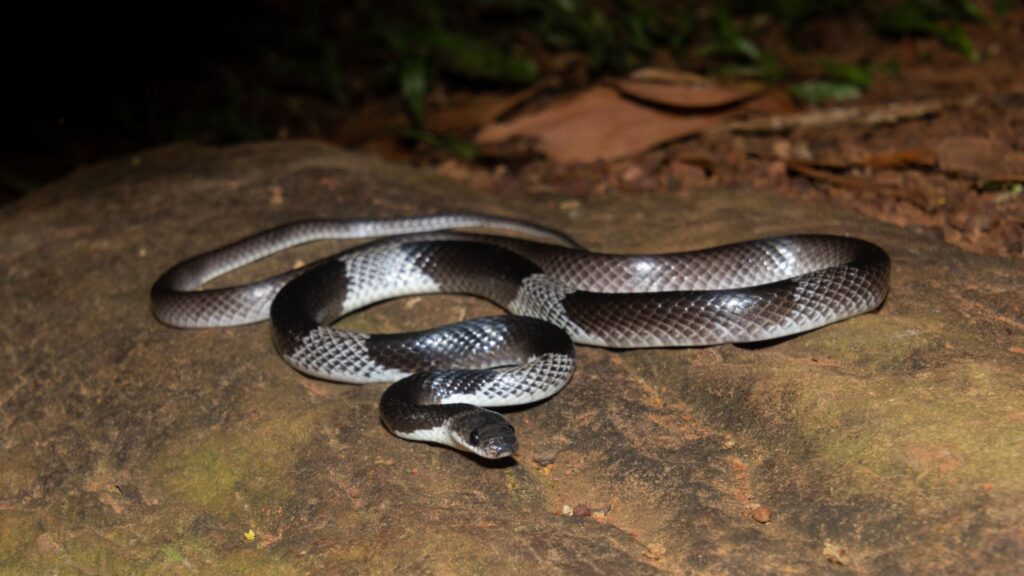
Adults reach about a meter in length, and the body stays a deep glossy black with no markings, so the look feels striking in a simple way. The snake is nonvenomous but will bite when handled, and that detail gives people a better sense of its behavior. It belongs to the group known as wolf snakes, and the name comes from the enlarged front teeth that stand out compared to other species in the region.
Nocturnal Habits And Diet

Irwin’s wolf snake stays active at night, so researchers studying it rely on late searches through the forest. The snake moves quietly through leaf litter and looks for small lizards, frogs, and small mammals. The diet lines up with what many wolf snakes eat, and the behavior helps explain why sightings stay uncommon. The species keeps a low profile during the day and waits for darker hours when its glossy black body blends into the forest floor.
Why Past Research Missed The Species

Researchers noted that earlier studies mistook Irwin’s wolf snake for a different species, so the identity stayed hidden for years. The snake’s limited range also made it easy to overlook, and only a few records ever surfaced. The team gathered new specimens and compared them closely, and the differences stood out once they had enough material. The updated research confirmed that the snake wasn’t a variant and earned recognition as its own species.
Why Researchers See It As Endangered

Researchers link the endangered status to how rarely the snake appears on Great Nicobar Island, and only four records exist so far. The species stays confined to evergreen forests, so its range stays small and vulnerable to any changes in that area. The team pointed out that the snake isn’t common, and the limited sightings support that concern. They also noted that its island habitat makes it harder for new populations to grow.
Influence Of Steve Irwin On The Team

The researchers shared how Steve Irwin shaped their early interest in wildlife, so naming the species after him felt natural for them. They grew up watching his enthusiasm, and it pushed them toward careers that focused on reptiles. Many of them faced pressure to choose more traditional jobs, and his influence helped them push through that. His work also helped their families understand why they wanted to study snakes in the first place.
Taxonomy And Isolation Of Nicobar Wildlife

Researchers pointed out that the Nicobar Islands connect to the larger Sundaland region, and the link helps explain why the area holds unique reptile lineages. The islands sit far enough from the mainland to shape wildlife in its own direction, and Irwin’s wolf snake adds another example to that list. The team also noted that ongoing taxonomy work in the region keeps revealing species that stayed undocumented for years, so the findings encourage further study.
Keep Following New Wildlife Findings
New species like Irwin’s wolf snake show how much curiosity still drives people who care about wildlife. Researchers continue to search remote places, and each find adds fresh energy to the field. Readers can stay engaged with ongoing studies, support conservation groups, and share stories that highlight lesser-known animals. Small actions help spark new interest, and they encourage more teams to keep looking for species that haven’t been documented yet.
PetsFanatic Team
Pet Care Expert & Content Creator
Passionate about sharing knowledge and tips for better pet care. Writing about everything from pet health to training techniques.