
Secrets from the Ice: 75,000-Year-Old Arctic DNA Chronicles the Struggle of a Lost Ecosystem

Cold regions tend to look timeless, yet the Arctic has always been in motion. Beneath that frozen surface, traces of earlier lives still linger, waiting quietly for attention. Deep inside a cave in northern Norway, ancient bones held onto fragments of DNA that never expected an audience. Those fragments now speak softly about animals on the move, shifting coastlines, and survival during warmer pauses of the last ice age, long before modern records ever began.
Ancient Arctic Climate Shifts During the Last Ice Age

The ancient Arctic climate didn’t sit still during the last ice age, so animals kept adjusting as glaciers moved forward and then pulled back. Warmer interstadial phases opened coastal ground, and colder stretches closed it again, which shaped where animals could travel and settle. Those repeated swings also changed food access and migration timing, and over thousands of years, they quietly reshaped Arctic communities long before modern warming ever entered the picture.
Why Arctic Cave Records Rarely Survive

Arctic caves rarely keep long records, so time usually erases what once settled inside them. Glaciers advance and scrape the ground clean, and then meltwater rushes through passages and washes older layers away. That constant movement leaves little behind, and each ice cycle resets the scene. Because of that pattern, most traces of early Arctic life vanish before anyone ever gets a chance to notice them.
Arne Qvamgrotta and Its Unbroken Sediment Layer

Arne Qvamgrotta sits near the Arctic Circle, and its quiet setting helped something rare stay in place. Inside the cave, one sediment layer avoided the scraping and flooding that erased others nearby, so bones stayed sealed for thousands of years. That steady shelter let material build up slowly, and each layer stayed readable, which now gives researchers a clear window into Arctic life during a warmer stretch of the ice age.
How Mining Activity Led to a Major Discovery

Limestone mining in northern Norway opened a narrow window into a much older story. During work in the early 1990s, crews cut into rock and exposed sediment that looked different from everything around it. That unexpected find drew scientific attention years later, so researchers returned with careful methods and patience. Their work revealed bones sealed in place since the last ice age, untouched by later glacial movement.
Identifying Species With Bones and Ancient DNA

Researchers started with bone shape, so size and structure offered the first clues about which animals once lived there. From there, ancient DNA filled in gaps that bones alone could not answer, and fragments matched known genetic records. That pairing let scientists name mammals, birds, and fish with confidence, and it also revealed species no one expected to find in Arctic Norway during that period of the ice age.
A Coastal Arctic Community Beyond the Mammoth Steppe

Life near Arne Qvamgrotta followed the coast, so animals gathered around water, ice edges, and open land. Marine mammals, seabirds, fish, and land animals appeared together, and their remains settled into the cave over time. That mix points to shorelines free of heavy ice during warmer phases, and seasonal sea ice nearby. The picture feels local and grounded, shaped by tides, migrations, and shifting ice across a narrow coastal zone.
Ice-Free Shores and Seasonal Sea Ice

Ice-free shorelines shaped daily life along the Arctic coast, so animals moved easily between land and water. Reindeer and freshwater fish could travel north, and marine species gathered close to land. Seasonal sea ice still formed offshore, and that rhythm supported seals, seabirds, and whales. Together, those patterns point to a coastline that stayed open part of the year, and then tightened again as ice returned with the seasons.
Extinct Arctic Lineages and Climate-Driven Habitat Loss

DNA from the cave also traces lineages that no longer exist today, and that absence tells a quiet story. Polar bears, Arctic foxes, and collared lemmings from this period belonged to branches that later disappeared. As climate patterns kept shifting, familiar routes closed, and food sources shifted away. Over time, those animals failed to relocate with the land and ice, and their genetic lines faded from the Arctic record.
What Ancient Arctic DNA Still Teaches Us
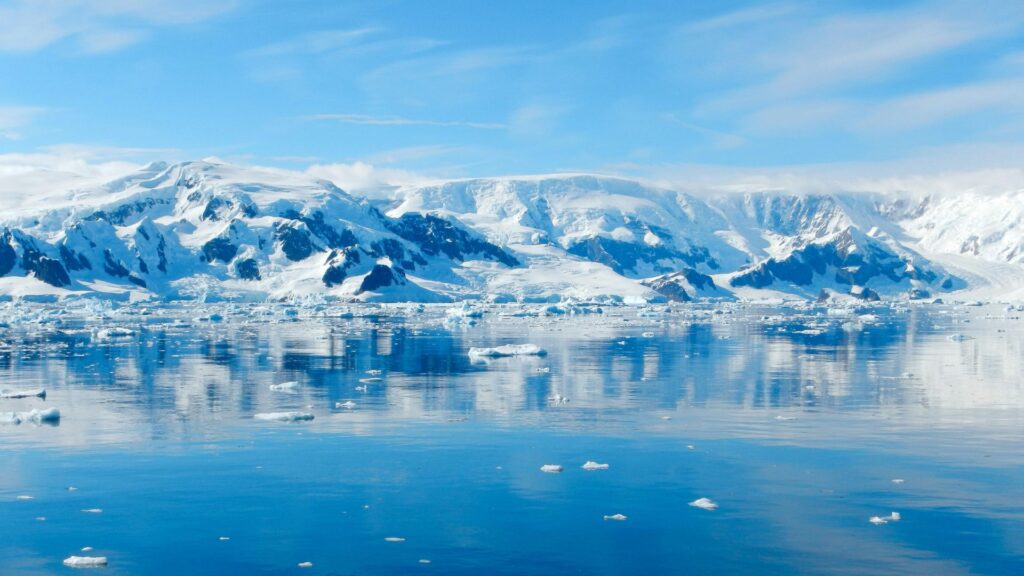
Ancient DNA from Arctic caves invites closer attention to how environments keep shifting. Those long-buried bones show movement, adaptation, and loss unfolding over thousands of years. Because of that, modern climate questions feel less abstract and more grounded in lived history. From there, scientists can read past responses more clearly and apply that understanding to present wildlife planning, research priorities, and conservation choices that support species facing ongoing environmental change across cold regions worldwide.
PetsFanatic Team
Pet Care Expert & Content Creator
Passionate about sharing knowledge and tips for better pet care. Writing about everything from pet health to training techniques.