
Scientists Warn Earth Is Entering a Sixth Mass Extinction
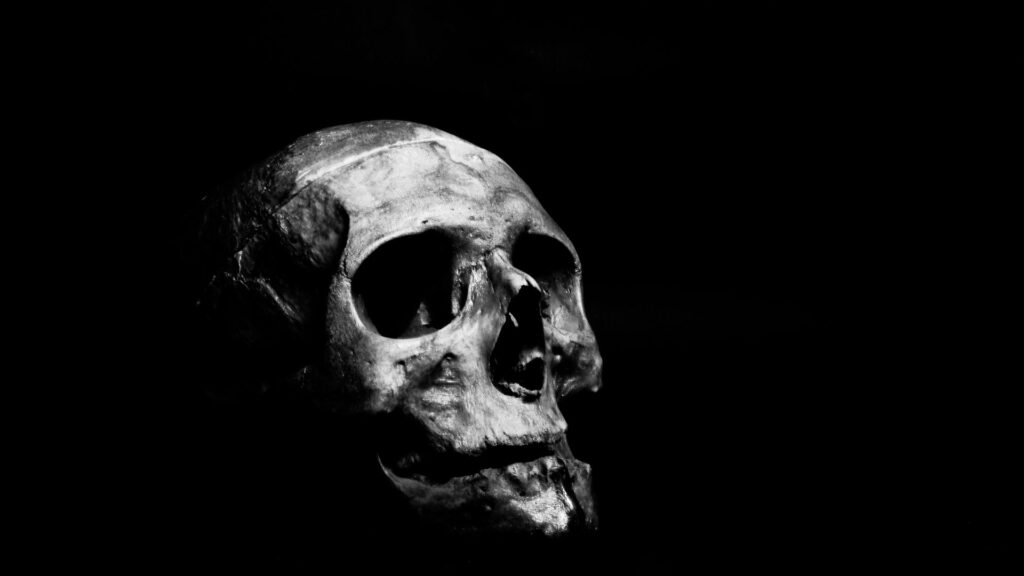
Scientists have long treated mass extinctions as events locked deep in the fossil record. That framing now feels less distant. New research points to patterns that resemble earlier biological collapses, only unfolding on a human timeline. As those patterns come into focus, the conversation moves from speculation to observation. From there, the question stops being about the past and starts sitting squarely in the present.
That concern follows work led by researchers studying long-term species loss across many groups. Their findings suggest extinction rates no longer resemble background change. Instead, losses appear to accumulate faster than ecosystems can recover. At the same time, attention turns to species that rarely headline conservation debates. Invertebrates, especially mollusks, offer a wider lens because their fossil record tracks environmental stress with unusual clarity.
From that lens, human influence becomes difficult to separate from the data. Agriculture, industrial growth, and rising temperatures align with the same period when disappearances accelerate. Pollinators like bees and butterflies show how quickly those pressures surface within a single generation. As those declines ripple outward, food systems and habitats feel the effects together. The idea of a sixth mass extinction no longer reads as a distant theory. It enters the discussion as an unfolding condition.
Mollusks Reveal Extinction Patterns Over Time

Researchers turned to mollusks because their history stretches back millions of years and leaves clear traces. Those traces allow scientists to follow long arcs of survival and disappearance. As a result, mollusks offer a broader record than many vertebrates. That broader record then helps scientists compare past extinction events with what appears today.
From that comparison, loss rates stand out across centuries rather than decades. Since the year 1500, a measurable share of mollusk species has vanished. Those losses line up with patterns seen before earlier mass extinctions. As the data accumulates, extinction no longer appears confined to isolated regions or species groups. Instead, it shows continuity across time.
That continuity also exposes gaps in how extinction gets tracked. Conservation systems often center on birds and mammals. Meanwhile, mollusks receive far less attention despite their numbers and historical depth. When scientists factor them into the record, extinction curves steepen. That steeper curve strengthens the argument that current biodiversity loss follows the same pathways seen in past global die-offs.
Human Activity Drives Accelerating Species Loss

Scientists increasingly trace modern extinction patterns back to human behavior. That link becomes clearer as species disappear alongside expanding land use and resource extraction. As habitats shrink, population declines follow predictable paths. In turn, those paths line up with periods of intense human expansion.
That expansion connects closely to agriculture and industrial growth. Over time, farming altered ecosystems at a scale that earlier societies never reached. Later, post-war growth accelerated consumption and waste. As those pressures compounded, extinction rates began to rise within measurable historical windows.
Those pressures now surface most visibly through climate-related changes. Rising temperatures redraw the limits where many species can survive. Pollinators like bees and butterflies show how quickly that pressure registers. Within a single generation, their numbers fall across entire regions. As those declines spread, food systems and natural cycles respond in kind.
What the Data Leaves Unresolved

Research now raises questions that extend beyond counting losses. One issue centers on how extinction gets officially recognized. Many species disappear long before science records their decline. As a result, extinction often registers years after it occurs. That delay clouds the true pace of loss.
Another concern involves how ecosystems respond after species vanish. Some systems reorganize in unexpected ways. Others fail to stabilize at all. As those responses differ across regions, prediction grows harder. Scientists now track not only what disappears but also what fails to return.
That uncertainty feeds into how future monitoring unfolds. Current frameworks rely on limited sampling and uneven reporting. Many regions lack consistent observation. As monitoring gaps persist, blind spots widen. Researchers continue refining methods to detect early warning signals. Those signals may offer the only chance to observe extinction dynamics in real time rather than through hindsight.
PetsFanatic Team
Pet Care Expert & Content Creator
Passionate about sharing knowledge and tips for better pet care. Writing about everything from pet health to training techniques.