
Scientists Say a Mass Extinction May Already Be Underway

Scientists across distant regions are reporting patterns that feel unsettling in their consistency, and those patterns keep pointing to the same conclusion. Species are disappearing faster than natural history allows, and ecosystems are thinning in ways that no longer look random. As the data builds, researchers are starting to speak more plainly about what it suggests.
Accelerating Extinction Rates

Extinction rates no longer follow historical baselines, and the gap between natural loss and current disappearance keeps widening. Researchers estimate that species now vanish 1,000 to 10,000 times faster than expected, which means changes that once unfolded over millennia are now unfolding within a single century.
Over One Million Species Facing Extinction Risk
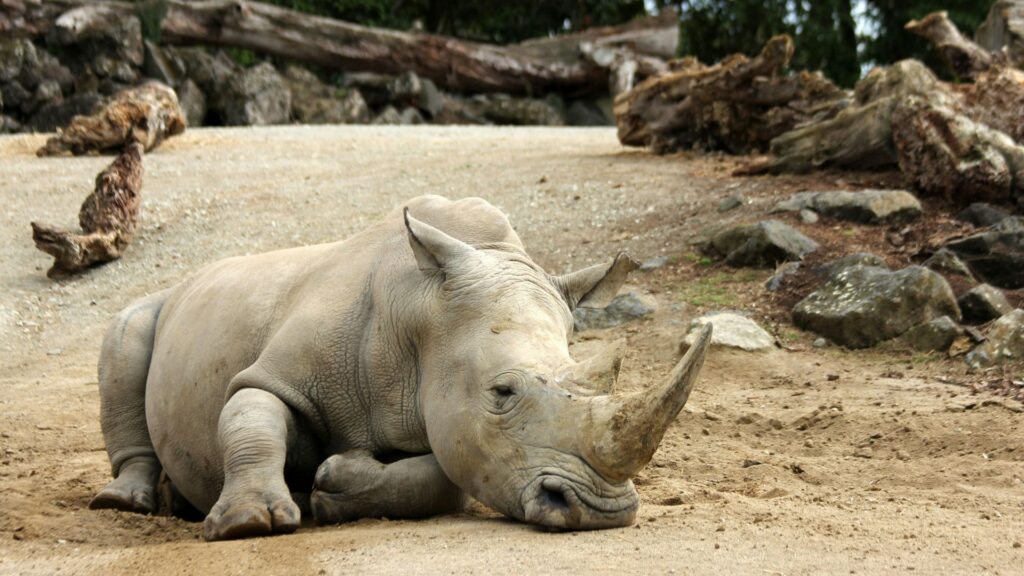
United Nations assessments now estimate that more than one million species face extinction, and that figure spans amphibians, reef-building corals, and marine mammals, which means losses are no longer isolated cases but part of a widening pattern that scientists continue to document across continents and oceans.
Ecosystem Tipping Points Emerging in the Amazon

Scientists monitoring the Amazon now warn that gradual forest degradation could push the rainforest past a threshold where it no longer absorbs carbon but releases it, and as that process unfolds, rainfall patterns weaken, and regional climate systems begin to destabilize.
Climate Change Intensifying Species Collapse

Rising global temperatures now compound habitat loss and pollution, and as heat waves, prolonged droughts, and stronger storms intensify, already vulnerable species reach physiological limits, which then trigger coral bleaching, range contractions in mountain species, and cascading losses across tightly connected ecosystems.
Human Land Conversion Reaching Ice-Free Areas

Human activity now occupies roughly 40 percent of ice-free land, and as forests give way to cropland and urban expansion, wildlife loses habitat at a pace that leaves little room for adaptation, which then compresses biodiversity into smaller and increasingly fragmented areas.
Chytrid Fungus Driving Global Amphibian Decline

Chytridiomycosis, a fungal disease, has spread across continents and has already contributed to the decline or extinction of more than 200 amphibian species, and as infection rates climb in vulnerable regions, entire populations collapse within a few seasons, leaving ecosystems with fewer predators and prey.
Marine Predator Loss Reshaping Ocean Food Webs
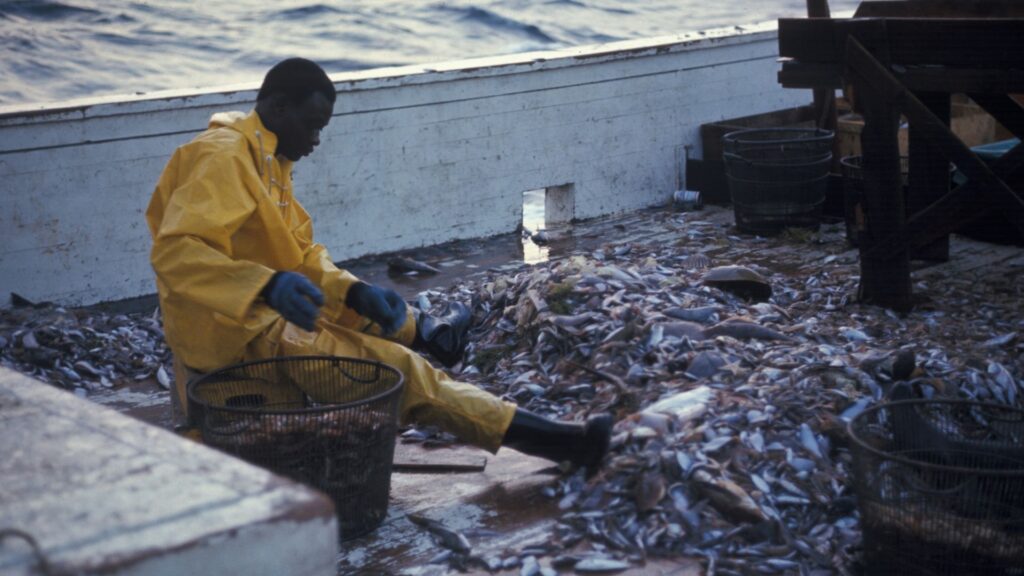
Overfishing has reduced many large marine predator populations by as much as 90 percent, and as sharks, tuna, and sea otters decline, prey species expand unchecked, which then strips kelp forests and destabilizes ocean food webs that once supported dense and diverse marine life.
Invasive Species Overrunning Isolated Ecosystems

Global trade and travel have accelerated the movement of plants and animals across continents, and when invasive species enter isolated ecosystems, native wildlife often lacks defenses, which then allows predators or aggressive competitors to spread rapidly and displace species that evolved in long geographic isolation.
Extinction Signals Converging Across Ecosystems

Researchers now see the same biological decline unfolding in forests, oceans, and freshwater systems, so patterns that once appeared isolated now align across regions, which means species loss, habitat conversion, disease, and climate pressure are converging into a single, accelerating global trend.
PetsFanatic Team
Pet Care Expert & Content Creator
Passionate about sharing knowledge and tips for better pet care. Writing about everything from pet health to training techniques.