
Scientists Make Startling Discovery in One of Earth’s Coldest Regions

Far south, beneath ice and darkness, scientists have been tracking signals that rarely reach the surface. The setting feels remote, yet the questions tie directly to how the planet behaves under stress. Recent work draws attention to processes hidden below Antarctic waters. Those processes connect cold, pressure, and motion in ways that rarely enter public view.
Researchers focused on deep ocean layers that sit isolated for long stretches of time. Attention turned to Antarctic Bottom Water, a mass that forms near the ice and sinks to extreme depths. Evidence pulled from ancient sediments shows that warming periods stirred those depths more than expected. As mixing increased, carbon stored far below began moving upward. That movement linked ocean circulation to rising atmospheric carbon levels.
Scientists now look at those ancient patterns while watching present conditions unfold. Deep Southern Ocean waters have warmed faster than many other regions in recent decades. That trend echoes features seen during earlier warming periods recorded in the sediments. Understanding how deep water responded then helps frame questions about how Antarctica behaves now. Those questions sit at the center of ongoing research as ice shelves thin and ocean temperatures continue to climb.
Antarctic Bottom Water Expansion During Past Warming
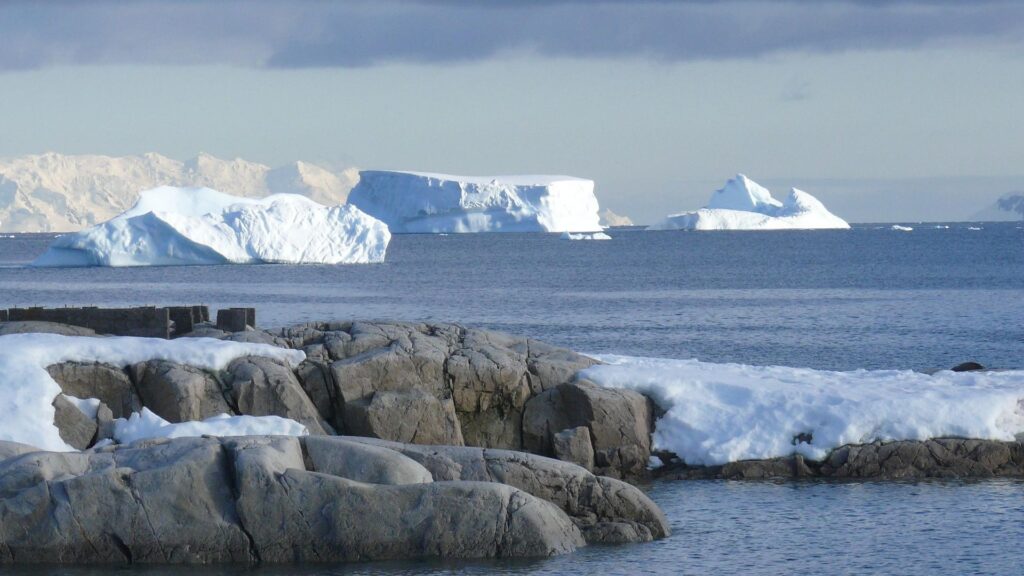
Scientists examined sediment layers taken from deep beneath the Southern Ocean to trace how Antarctic Bottom Water behaved during earlier warming periods. That water mass forms near Antarctica and sinks to the lowest parts of the ocean. Over long, cold intervals, it remained largely isolated from surface layers. Evidence shows that the pattern changed once temperatures began rising thousands of years ago.
As warming progressed, the volume of Antarctic Bottom Water increased in two clear stages. Those stages aligned with known warming intervals recorded in Antarctic ice. With more movement between deep and upper layers, carbon that had stayed trapped for millennia started moving upward. That release added carbon dioxide to the atmosphere and pushed temperatures higher. Each step connected ocean circulation directly to broader climate behavior.
Researchers now focus on how slowly those deep waters responded before warming began. Stagnation ended once increased heat altered circulation patterns. That response highlights how sensitive deep ocean systems can be to rising temperatures. Modern observations of warming Southern Ocean waters keep drawing attention back to those ancient records, since similar processes may already be unfolding beneath today’s Antarctic seas.
Ancient Ocean Carbon Release and Modern Climate Signals

Scientists traced carbon movement by examining how deep Southern Ocean waters behaved during earlier warming periods. Evidence shows carbon remained locked far below the surface for long stretches of cold stability. As temperatures rose, vertical mixing increased and allowed the stored carbon to move upward. That process linked deep ocean circulation directly to atmospheric change.
As carbon entered the upper ocean, it continued moving toward the atmosphere. That release aligned with periods when Antarctic temperatures climbed. Each warming interval corresponded with increased interaction between deep and shallow waters. Over time, those exchanges raised atmospheric carbon dioxide levels. The pattern connected ocean motion to broader temperature trends without relying on surface activity alone.
Researchers now compare those ancient signals with present observations. Deep Southern Ocean waters have warmed faster than many other regions in recent decades. That trend mirrors conditions recorded in the sediment cores. As scientists study modern Antarctic Bottom Water, they keep referencing those earlier carbon releases. The connection helps frame ongoing measurements of ice melt, ocean circulation, and carbon movement beneath today’s Antarctic waters.
What Antarctic Waters Suggest About What Comes Next
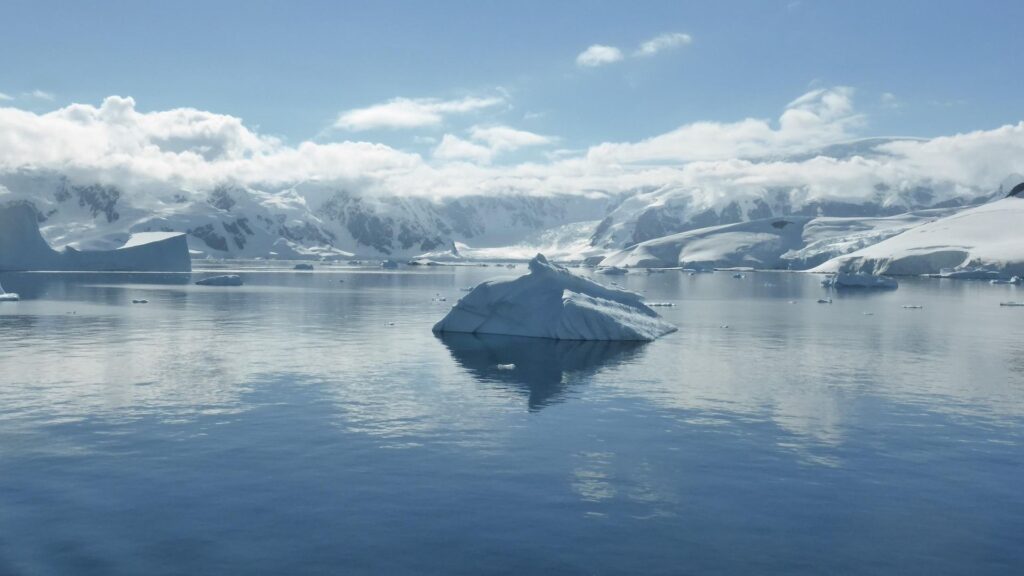
Scientists now focus on how slowly deep ocean systems respond once warming begins. That delay matters because changes can continue long after surface temperatures rise. Evidence from sediment cores shows carbon release did not happen instantly. Instead, it followed prolonged interaction between warming water and long-isolated depths.
That timing raises questions about how modern oceans behave under sustained warming. Measurements already show deep Southern Ocean waters gaining heat over recent decades. As that heat builds, circulation patterns may continue evolving beneath the surface. Those movements could influence how much carbon remains stored below and how much reaches the atmosphere over time.
Researchers also look toward how these findings refine climate modeling. Ancient ocean behavior offers data points that models often struggle to represent accurately. Adding deep water responses improves how future scenarios account for delayed feedback. That work continues as scientists gather more sediment records and monitor present Antarctic waters. Together, those efforts aim to clarify how long past processes can echo into future climate behavior.
PetsFanatic Team
Pet Care Expert & Content Creator
Passionate about sharing knowledge and tips for better pet care. Writing about everything from pet health to training techniques.