
Scientists Issue Stark Warning as ‘crazy ants’ Wreak Havoc on Florida
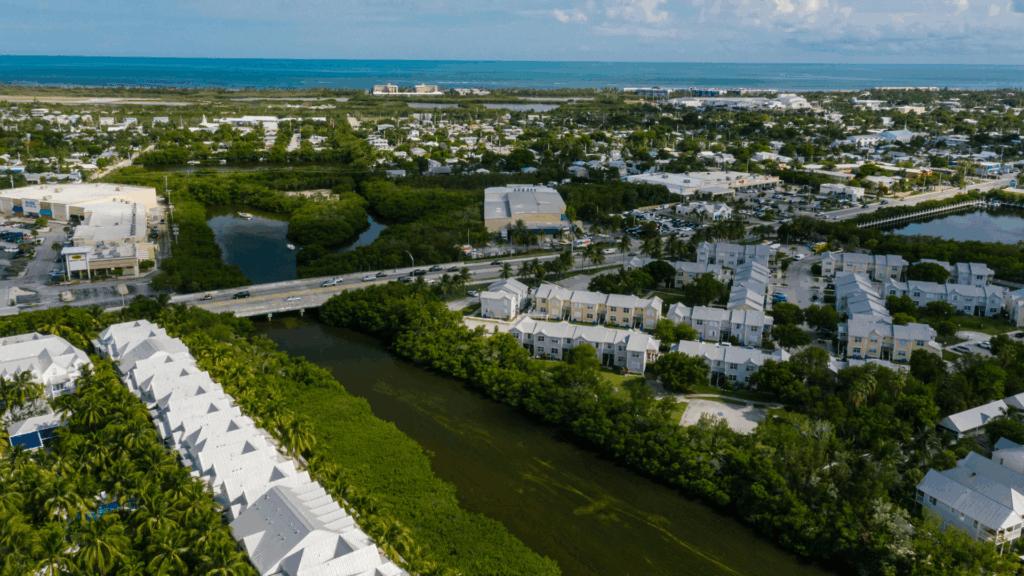
Florida is home to sandy beaches and sunshine, but now it faces a mini invasion that hugs the soil. Scientists are sounding alarms about tawny crazy ants, a creeping menace that forms mega colonies and disrupts ecosystems.
Super Colonies Take Over Fast
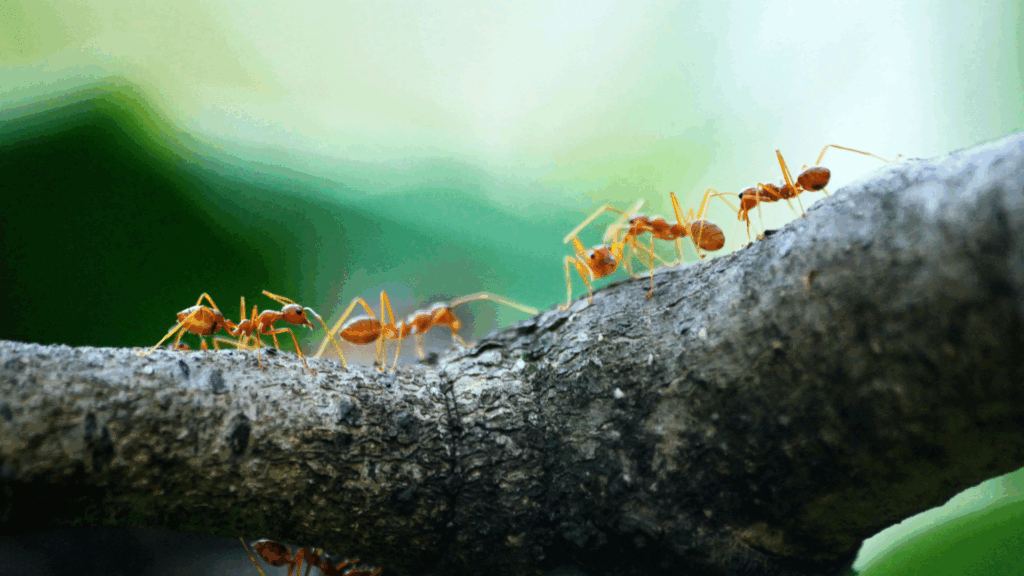
Tawny crazy ants evade eradication by forming supercolonies that span entire neighborhoods. With multiple queens and connected nest systems across yards and wooded areas, progress relies on broad regional control rather than single nest removal. Researchers at the USDA and the University of Florida observe that their lack of territorial boundaries makes local treatments almost futile.
Homes Nearly Invaded by Thousands

Homeowners say their floors look like they are crawling. Tiny ants pour through vents, door cracks, and outdoor containers. Experts say sheer numbers create the illusion of shifting ground. Their volume overwhelms pest control because eliminating visible ants often leaves the hidden colony behind. It is not the sting but the swarm that overwhelms.
Electrical Equipment Is at Risk

These ants don’t just colonize soil. They swarm into electrical transformers, wiring junctions, and air conditioning units. If one ant is electrocuted, it releases pheromones that attract more. The resulting mass of ants can short out circuits and destroy components. Florida areas are seeing costly failures in everything from traffic signals to cooling systems—all tied to ant invasions.
Native Wildlife Is Vanishing

Tawny crazy ants are displacing local insects, reptiles, and even birds in affected ecosystems. Ecologists like Edward LeBrun at the University of Texas warn that birds stop calling in areas overrun by the ants. Native ants that supported pollination and natural recycling vanish alongside the creatures that rely on them. The ecological silence is real evidence of their destructive reach.
Fungus Offers Hope for Control

In some areas, scientists discovered an unusual fungus that kills tawny crazy ants from the inside. This naturally occurring pathogen leads to dramatic population reductions in affected nests. While not yet a foolproof solution, these fungal discoveries offer hope for targeted biological control that avoids damaging native species in the process.
Red Alert for Florida Beaches and Parks

Florida’s sunshine and warm weather create ideal conditions. As the ants spread, they disrupt beaches, parks, and conservation areas. The colonies shade out other insect life and reduce biodiversity. Researchers report that the ants may drive out pollinators and nesting wildlife, threatening both recreation and ecosystem health.
Control Efforts Must Go Beyond Backyard Tactics

Unlike traditional pests, where backyard sprays work, fighting a super colony requires coordinated efforts. Experts say it needs neighborhood cooperation, inspection of plant imports, professional baiting, and regional monitoring. Individual efforts fall short because nests are interconnected and often hidden beneath structures or deep in wooded areas.
Biodiversity Loss Has Long-Term Costs

Economists and ecologists warn that the unchecked spread could erode ecosystem services—pollination, seed dispersal, and pest control—ultimately costing billions. Loss of biodiversity affects crop yields, wildlife populations, and human enjoyment of natural settings. Many fear a future where Florida’s biodiversity is diminished by tiny invaders with mighty impact.
Tiny Invaders Causing Big Trouble in the Sunshine State

These crazy ants may be small, but their consequences are massive. Scientists urge a coordinated response and cautious optimism about biological controls. Until then, residents should watch closely and act quickly.
PetsFanatic Team
Pet Care Expert & Content Creator
Passionate about sharing knowledge and tips for better pet care. Writing about everything from pet health to training techniques.