
Scientists Find Previously Unclassified Life Forms Living Inside the Human Body

Scientists studying the human microbiome keep uncovering details that feel familiar yet remain poorly defined. Recent genetic work focused on bacteria inside the body has revealed RNA structures that don’t fit any existing category. As researchers sifted through massive sequencing datasets, these molecules surfaced again and again in places people rarely think about, like the gut and mouth. That steady presence suggests biology inside the body still holds forms of life science hasn’t fully named or explained.
Obelisks Identified Inside Human-Associated Bacteria

Genetic surveys of human-associated bacteria revealed circular RNA structures that scientists hadn’t cataloged before, so attention turned to what these molecules were doing inside microbial cells. Researchers kept spotting the same RNA loops across unrelated samples, and that repetition hinted at stable replication rather than random fragments. As the data lined up, the molecules earned a name, obelisks, and a place among the growing list of life forms found living quietly within the human microbiome.
Circular RNA Structures Found in Oral and Gut Microbiomes

Sampling from the mouth and gut kept revealing the same circular RNA patterns, so researchers started paying closer attention to where these molecules showed up. Oral bacteria carried them consistently, and gut microbes showed similar signals, which made the pattern hard to ignore. As datasets expanded across populations, those repeated findings suggested these RNA forms settle comfortably in everyday microbial environments that people carry without noticing.
Protein-Free RNA Replication Inside Microbial Cells

Inside bacterial cells, these RNA structures appear to copy themselves without relying on proteins, so researchers had to rethink how replication can happen at such a basic level. The molecules form closed loops, and that shape seems to support repeated copying over time. As scientists traced these patterns across samples, the idea of RNA persisting on its own inside microbes started to feel less abstract and more observable within everyday biology.
Unique RNA Loops Detected Through Metagenomics

Metagenomic scanning opened a wider view into microbial DNA, so researchers began noticing RNA loops that kept resurfacing across unrelated datasets. As algorithms filtered through billions of fragments, thousands of distinct circular sequences stood out instead of fading into noise. That steady signal pushed scientists to treat these loops as real biological entities, and the consistency across samples made the findings feel grounded rather than theoretical.
Genetic Motifs Suggest Host-Specific Bacterial Adaptation
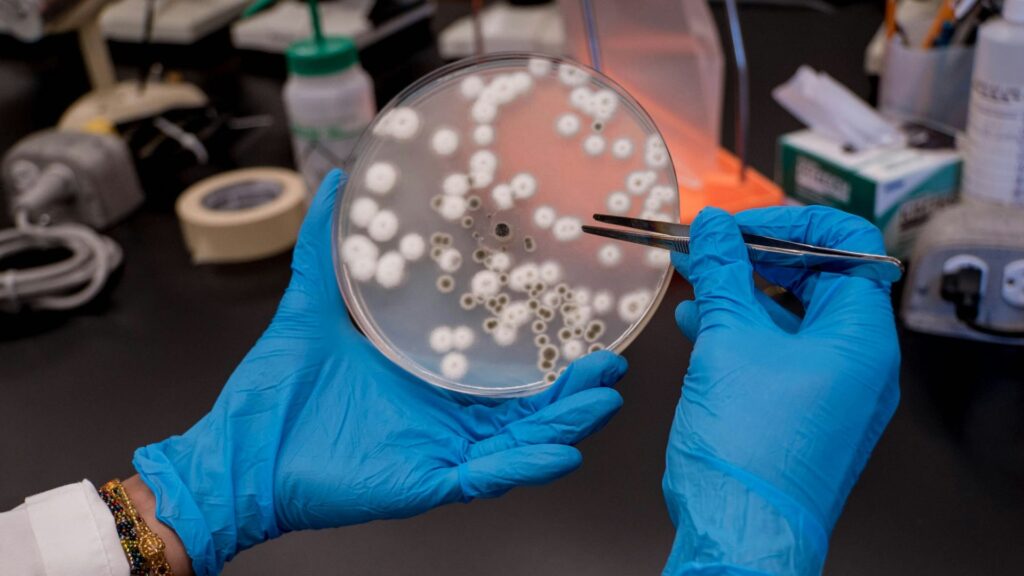
As researchers compared RNA sequences across samples, shared genetic motifs kept appearing, so patterns began to feel intentional rather than random. Those motifs lined up with specific bacterial hosts, and that alignment hinted at long-term coexistence. As analysis tightened, many RNA loops appeared embedded within bacterial genomes, and that placement suggested adaptation over time. The closer scientists looked, the more these molecules seemed tuned to the microbes they inhabit.
RNA Entities That Defy Viral and Plasmid Classification

As scientists examined these RNA forms more closely, familiar labels stopped working, so standard viral and plasmid definitions fell short. The molecules lacked protein shells, and they also carried no genes for protein production. That absence pushed researchers toward a different category altogether. As comparisons continued, these RNA entities stood apart as self-replicating structures that sit outside existing microbial groupings yet persist comfortably inside bacterial cells.
Links Between Obelisks and Early RNA-Based Life Theories

The structure of obelisks has drawn attention from researchers thinking about how life may have started, so older RNA-based ideas resurfaced naturally. These molecules function without proteins, and that simplicity echoes models of early biological systems. As scientists connect those traits, obelisks start to resemble living chemistry rather than modern organisms. That resemblance keeps the discussion grounded in observable data while nudging long-standing theories into present-day research.
Open Questions About Function and Microbial Interaction

Questions still linger around what obelisks actually do inside microbial communities, so researchers have shifted toward careful observation rather than fast conclusions. These RNA forms appear alongside bacteria tied to digestion and immunity, and that proximity keeps attention focused on subtle interactions. As scientists track how obelisks persist and spread between microbes, interest centers on behavior rather than outcomes, letting patterns emerge naturally through continued sequencing work.
Where Obelisk Research Moves Next

Research into obelisks keeps widening how scientists think about life inside the human body, so future studies will focus on how these RNA forms behave over time. From there, sequencing efforts can track movement between bacterial hosts, which means patterns may surface across populations. At that point, laboratory work can test replication mechanisms and, in turn, refine how biology defines living systems that exist quietly alongside people every day in modern medical research settings globally.
PetsFanatic Team
Pet Care Expert & Content Creator
Passionate about sharing knowledge and tips for better pet care. Writing about everything from pet health to training techniques.