
Scientists Discover ‘Fingerprint’ in Ancient Rock – May Hold Answers to Ring of Fire’s Origin

Scientists studying ancient rocks in Canada spotted a unique “fingerprint” that could shed light on how the Ring of Fire began. The Ring of Fire, known for its volcanoes and earthquakes circling the Pacific, has puzzled researchers for decades. Now, evidence locked in stone hints at a much older story buried deep in Earth’s crust. Clues from these rocks may finally connect the dots between our planet’s fiery boundaries and their mysterious origins.
Discovery of Ancient Rock Fingerprint

Scientists studying ancient rock in Canada spotted a fingerprint hidden in its structure that’s catching attention in geology. The rock dates back billions of years, so it holds details from Earth’s earliest history. Researchers explain that the chemical pattern inside acts like a signature left from deep within the planet. The find has scientists excited since the fingerprint offers a rare clue about Earth’s past and may also help explain how the Ring of Fire first formed.
Geological Significance of the Finding

The fingerprint found in the ancient rock gives scientists a direct link to processes that shaped Earth billions of years ago. It connects chemical signatures from deep inside the planet to the surface we see today. That kind of link is rare, so researchers are excited about what it means. The discovery also helps them piece together the origins of the Pacific Ring of Fire, offering a new way to understand the forces that shaped its formation.
Clues to the Ring of Fire Formation

The fingerprint in the ancient rock also offers clues about how the Ring of Fire formed around the Pacific. Scientists examined chemical traces that hint at movements deep within Earth’s crust so long ago. The patterns help show how molten materials rose and shifted over time. Researchers say these signals also connect to volcanic activity and earthquake zones we see today. That makes the rock a rare window into forces shaping one of the planet’s most active regions.
Role of Plate Tectonics

The fingerprint in the ancient rock also sheds light on how plate tectonics shaped the Pacific region. Chemical patterns suggest plates shifted and collided in ways that moved molten material toward the surface. Researchers can trace how these movements are connected to volcanic activity and earthquake zones so familiar in the Ring of Fire today. The rock offers a rare glimpse at forces that slowly built the area’s dramatic geology, giving scientists a closer look at Earth’s long-term processes.
Insights into Volcanic Activity
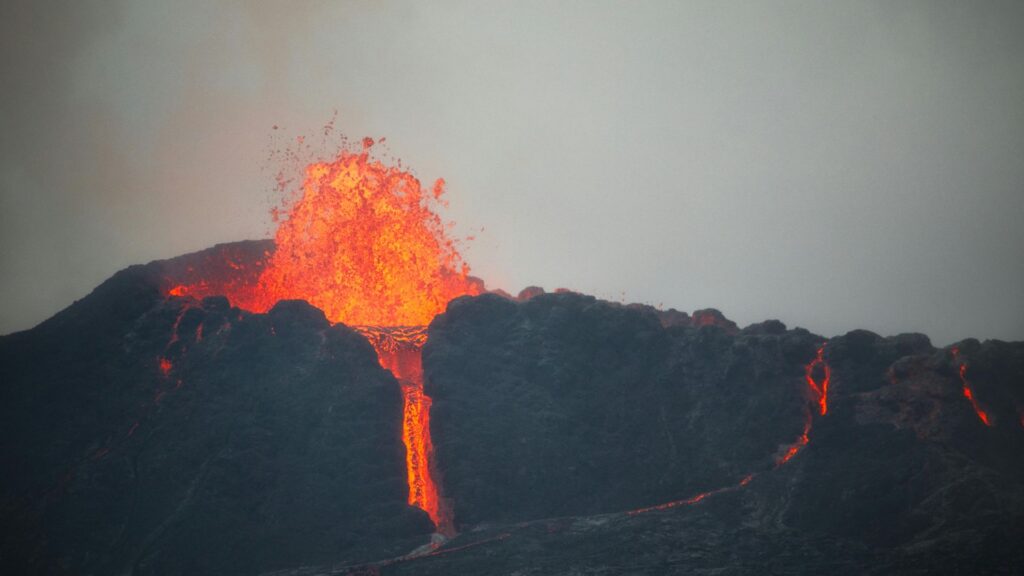
The ancient rock’s fingerprint also offers insight into volcanic activity along the Ring of Fire. Chemical traces suggest how molten rock moved under Earth’s surface so it could feed volcanoes over millions of years. Researchers can link these patterns to eruptions and shifts that shaped the Pacific region. The evidence also helps show how energy stored deep in the crust influenced surface activity. That makes the rock a rare guide to understanding volcanic forces in action.
Impact on Earthquake Understanding

The ancient rock’s fingerprint also provides clues about earthquake activity in the Ring of Fire. Patterns in the rock show how shifting plates moved over time, so scientists can trace energy buildup that triggers quakes. The chemical signals also link to fault lines and zones of repeated activity. Researchers say the evidence helps them understand how stress travels through Earth’s crust. That makes the rock a useful guide for studying long-term seismic behavior in the region.
Advanced Research Techniques Used

Scientists used advanced tools to examine the fingerprint inside the ancient rock. High-resolution imaging and chemical analysis revealed patterns not visible to the naked eye. These methods also helped trace movements of molten materials deep in Earth’s crust so researchers could connect them to surface activity. The techniques made it possible to map the rock’s chemical history in detail. That approach gives scientists a clearer picture of how the Ring of Fire’s geological forces developed over billions of years.
Implications for Future Geological Studies

The fingerprint in the ancient rock also opens doors for future research in geology. Scientists can use similar analysis to examine other ancient formations so they can track Earth’s processes over time. The chemical clues also give insight into how plates, volcanoes, and earthquakes interacted long ago. Researchers say applying these methods to other regions could reveal patterns just as revealing. That makes the rock a reference point for studying Earth’s long-term geological changes.
What the Rock Teaches Us

The ancient rock offers a peek into Earth’s deep history and the forces shaping the Ring of Fire. Its fingerprint reveals movements in the crust, volcanic patterns, and shifts that triggered earthquakes. Scientists can use these clues to study other regions and better understand how our planet changed over billions of years. Paying attention to these findings also inspires more research, so we can keep uncovering the stories hidden in rocks beneath our feet.
PetsFanatic Team
Pet Care Expert & Content Creator
Passionate about sharing knowledge and tips for better pet care. Writing about everything from pet health to training techniques.