
Scientists Enter Remote Island Cave and Uncover 1-Million-Year-Old Species

A remote cave on New Zealand’s North Island has revealed a fossil record that reshapes what we know about the region’s ancient ecosystems. Preserved between layers of volcanic ash, the remains offer a rare window into a forest world that existed more than a million years ago. The discovery not only introduces species previously unknown to science, but also challenges long-held assumptions about when and why large-scale extinctions occurred in Aotearoa.
Ancient Forest Life Preserved in Stone
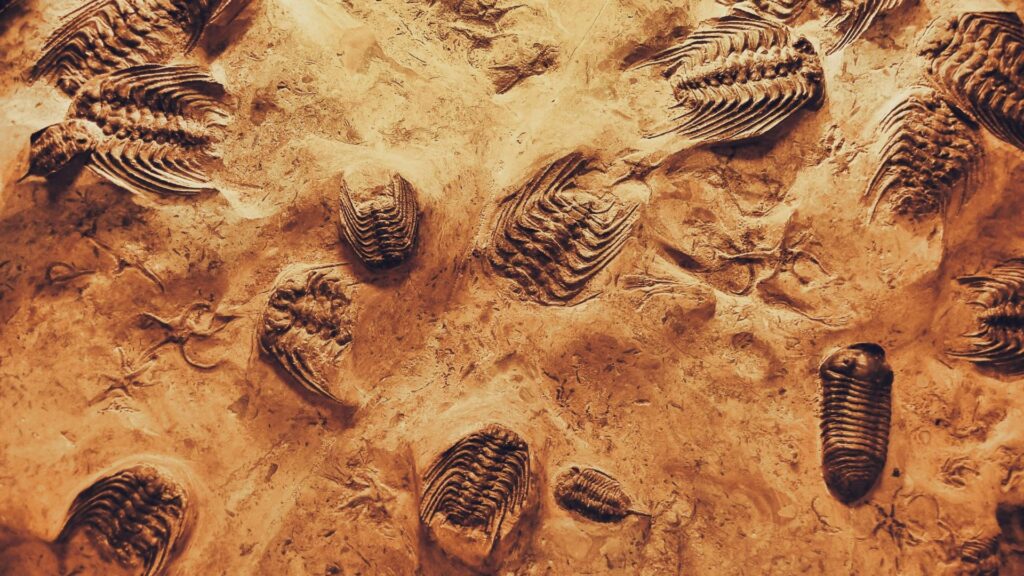
Deep inside a North Island cave, researchers uncovered a remarkable collection of fossils representing 12 bird species and four frog species, some of which had never been identified before. These remains provide the earliest direct evidence of a complex forest ecosystem dating back over one million years. The site captures a biodiversity snapshot that predates human presence by hundreds of thousands of years.
A Discovery That Redefines New Zealand’s Ecological Past

The fossil assemblage reveals an avian community dramatically different from the one early Polynesian settlers encountered roughly 750 years ago. According to findings published in Alcheringa: An Australasian Journal of Palaeontology, this ancient ecosystem represents a previously unrecognized phase in New Zealand’s natural history, one that was later replaced by a distinct set of species.
Volcanic Ash as a Geological Time Capsule

Scientists determined the age of the fossils by analyzing two layers of volcanic ash that sealed the remains inside the cave. The lower layer dates to approximately 1.55 million years ago, while the upper layer formed around 1 million years ago. This geological framing allows researchers to pinpoint the timeframe in which these animals lived and disappeared, offering precise chronological context.
Extinction Before Humans Arrived

One of the most striking conclusions from the study is that a significant proportion of species vanished long before humans reached New Zealand. By extrapolating from the fossil data, researchers estimate that between one third and half of the North Island’s species went extinct during the million years preceding human settlement. This finding reframes extinction as a process already underway due to natural forces rather than solely human impact.
Climate Shifts and Catastrophic Eruptions

The research team suggests that rapid climate changes and powerful volcanic events played a central role in reshaping the region’s biodiversity. Super-eruptions and environmental instability would have transformed forest and shrubland habitats, placing intense pressure on wildlife. These natural disruptions likely triggered ecological resets that altered species composition over time.
A Newly Identified Parrot Species

Among the most exciting finds is a newly described parrot species, Strigops insulaborealis, an ancient relative of the iconic Kākāpō. Fossil evidence suggests this ancestor may have retained the ability to fly, unlike its modern counterpart. Its skeletal features, including comparatively lighter leg bones, hint at different behavioral adaptations within the same lineage.
Tracing the Roots of the Takahe

The cave also yielded remains linked to an early ancestor of the Takahe. This discovery opens new avenues for studying how this distinctive rail evolved in response to shifting habitats. By comparing ancient and modern specimens, scientists can better understand how environmental pressures influenced its survival and adaptation.
Connections to Australian Pigeons
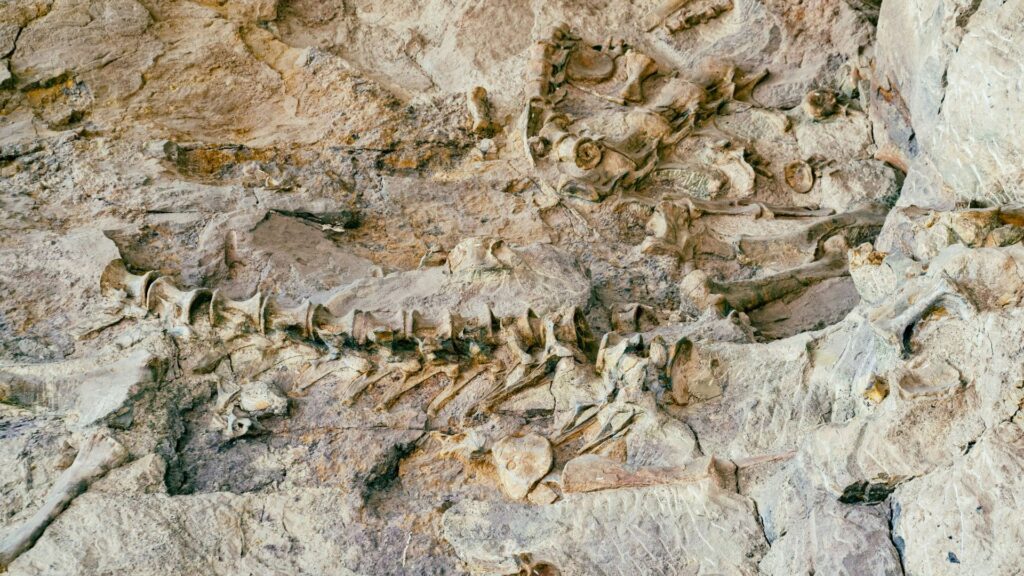
Researchers identified fossils of an extinct pigeon closely related to the Australian bronzewing pigeon. This connection highlights historical biogeographical links between New Zealand and Australia, suggesting periods of faunal exchange or shared ancestry. Such findings contribute to a broader understanding of how species dispersed and diversified across the region.
Forests in Transition
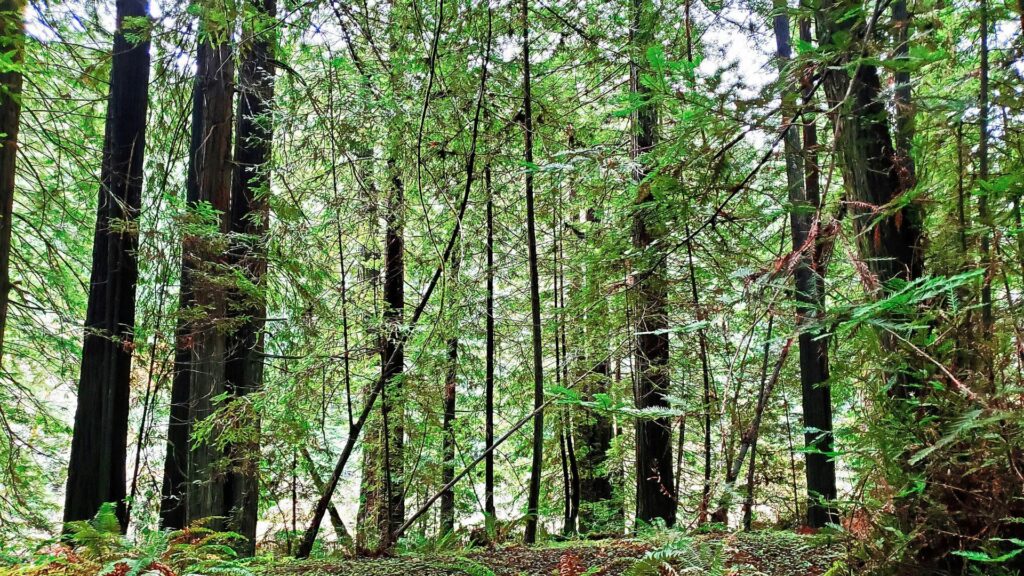
As forest and shrubland environments shifted, bird populations were forced to adapt, migrate, or disappear. Scientists believe these habitat transformations acted as a catalyst for evolutionary diversification among surviving species. In this way, extinction events may have simultaneously driven the emergence of new ecological forms on the North Island.
Rethinking the Narrative of Loss

For decades, the decline of New Zealand’s birds was viewed primarily through the lens of human arrival. This study demonstrates that natural processes had already been reshaping the archipelago’s wildlife for over a million years. By expanding the timeline of extinction, the discovery encourages a more nuanced understanding of how geology, climate, and evolution collectively shaped the biodiversity seen toda
PetsFanatic Team
Pet Care Expert & Content Creator
Passionate about sharing knowledge and tips for better pet care. Writing about everything from pet health to training techniques.