
Scientists Confirm “Mini T. Rex” Is Its Own Species
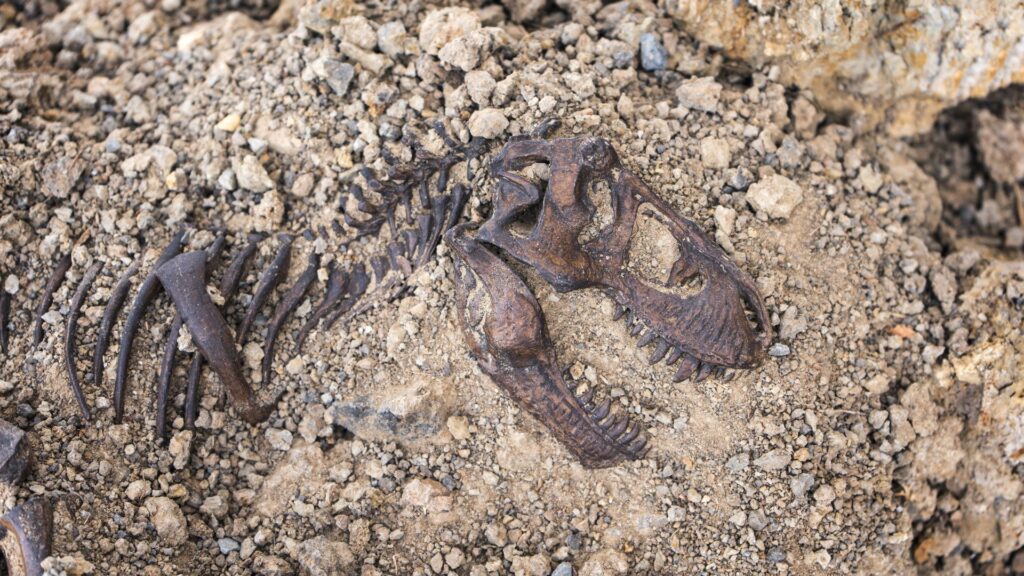
The T. Rex is one of the biggest pop culture giants in science, yet it now shares the spotlight with a smaller cousin that stirred plenty of debate. A fresh wave of attention circles around a sleek predator once tagged as a teenage T. Rex. Researchers in North Carolina pulled back the curtain on its true identity, giving fans a new name to learn and a new creature to picture when thinking about late-Cretaceous predators.
Nanotyrannus Confirmed as a Distinct Species

Researchers in North Carolina confirmed that the Mini T. Rex stands as a fully grown species, so the long-running debate finally has a clear answer. The finding came from a close study of the Dueling Dinosaurs specimen, and the team shared how the bones show a mature predator with its own features. Visitors can also see the skeleton in person, and the confirmation adds fresh interest to late Cretaceous research.
North Carolina Team Leads the Research

A dedicated group from the N.C. Museum of Natural Sciences and N.C. State University carried the study forward, and their work drew support from state leaders who followed the project with real interest. The team spent years preparing and analyzing the fossils, so the confirmation felt earned. Their open lab setup also lets visitors watch the process, and that access gives the research a welcoming feel for anyone curious about prehistoric life.
SECU DinoLab Opens Fossil Work to the Public

Visitors can watch real fossil preparation inside the SECU DinoLab, and the open setup makes the research feel inviting. The team works behind glass so guests can follow each step as experts clean and study the specimens. The lab operates as a rare space where science and public access sit side by side, and people often stop to talk with staff who enjoy sharing updates about ongoing work on the Dueling Dinosaurs.
Dueling Dinosaurs Specimens at the Center of the Study

The research team worked with two fossils found together in Montana, and the pairing immediately drew interest. A Triceratops and a predator lay side by side, so the scene raised plenty of questions. The predator was long viewed as a teenage T. Rex, but close study showed a fully grown Nanotyrannus. The paired find gave researchers a rare chance to study two creatures preserved in the same moment of time.
Hell Creek Formation Yields Rare Paired Fossils

The fossils came from the Hell Creek Formation in Montana, and the site offered a scene researchers rarely get. A Triceratops and a predator were found together in the same layer, so the discovery carried immediate interest. The pairing stayed intact through excavation, and the condition of the bones gave the team a solid base for study. The site has a long history of late Cretaceous finds, and this pair added a new highlight to that record.
New Insights Into Late-Cretaceous Predator Variety
Researchers found that Nanotyrannus lived alongside T. Rex, so the late Cretaceous ecosystem held more predators than many expected. The confirmation also showed that earlier studies mixed two different animals, and that mix shaped ideas about growth patterns for years. The update gives scientists a clearer picture of how many species shared the region, and it also raises interest in other small predators that might need a second look.
Reevaluation of Past Tyrannosaur Growth Models

Scientists long relied on Nanotyrannus fossils to map how T. Rex grew, so the new confirmation pushed them to revisit earlier work. The study showed that many assumptions came from mixing two different species, and that mix shaped decades of charts and comparisons. Researchers now sort through those findings again, and the update gives them a cleaner starting point for future measurements and age estimates. The shift also opens space for new questions about other specimens.
Public Access to a Complete Nanotyrannus Skeleton

Visitors can stand beside a complete Nanotyrannus at the N.C. Museum of Natural Sciences, and the access feels rare for a specimen of this quality. The team invites guests to talk with researchers, so people often ask questions while watching work in progress. The setup creates an easy way to learn about the Mini T. Rex, and many guests leave with a clearer sense of how the confirmation came together.
A New Dino Star Steps Into View

Researchers just gave the Mini T. Rex its own spotlight, and the update adds fresh excitement for anyone who loves prehistoric life. The confirmation also gives museums a fun way to connect guests with hands-on science. Visitors can see the fossil work up close, ask questions, and walk away with a clear picture of how the species came to light. The find now sits ready for more study and plenty of new conversations.
PetsFanatic Team
Pet Care Expert & Content Creator
Passionate about sharing knowledge and tips for better pet care. Writing about everything from pet health to training techniques.