
Russia to Raise Sunken Nuclear Submarines Over Fears of Radiation

Two Cold War–era submarines are sitting on the Arctic seabed, filled with aging nuclear fuel and decades of mystery. Russia now plans to pull them up before they leak radioactive waste into nearby waters. The K-27 and K-159 have rested underwater for years, but government officials and scientists agree they’ve waited long enough. The massive recovery project is set to start soon, aiming to make the Arctic a little safer for everyone nearby.
Russia Plans Major Arctic Recovery Project

Russia is planning a major effort to recover two Cold War–era submarines from the Arctic seabed. Both vessels, filled with nuclear material, have been resting underwater for decades. Officials say the move aims to prevent possible leaks into surrounding waters. Rosatom, the country’s nuclear agency, confirmed that funds have been set aside for the project. Preparations will start in 2026, with full recovery efforts expected to begin the following year. It’s a massive step toward cleaning up the Arctic’s underwater hazards.
Funding Set Aside for 2026 Preparations

Russia’s nuclear agency, Rosatom, confirmed that the government approved funding to start preparing for the recovery project in 2026. The plan covers the removal of old radiation-hazardous objects from Arctic waters, including the two submarines. Officials say the work will begin once the groundwork is ready, followed by full operations in 2027. It’s a massive undertaking that shows how seriously the country’s taking the risks linked to its long-forgotten nuclear vessels.
The Experimental Design of Submarine K-27

The K-27 wasn’t an ordinary submarine. It was an experimental design built in the 1950s with two reactors that used molten metal as a coolant instead of water. That idea sounded advanced for its time, but it came with serious risks. The system leaked radioactive gases into the engine room, and the crew didn’t realize what was happening. The damage left the submarine heavily contaminated and unusable, forcing the navy to retire it years later.
Reactor Leaks That Claimed the Crew

The K-27’s story turned tragic after its reactor started leaking radioactive gases into the engine room. The crew didn’t recognize the signs right away, so exposure spread quickly. Several sailors suffered severe radiation poisoning, and nine of them died. The submarine’s interior became so contaminated that it couldn’t be repaired or reused. The navy eventually sealed the reactor and removed the vessel from service, ending its short and dangerous time at sea.
How the K-27 Ended Up on the Seabed

After the radiation leaks, the K-27 was no longer safe to operate. The navy filled its reactor compartment with tar to trap the contamination and scuttled it in shallow waters in the Kara Sea. The spot seemed secure at the time, but tides and shifting currents keep wearing down the wreck. The submarine now sits exposed on the seabed, and experts worry the sealed reactor might not hold forever under the changing conditions.
The Tragic Sinking of Submarine K-159

The K-159 wasn’t meant to sink. After years of repairs for radiation leaks, the submarine was finally decommissioned in 1989. However, during a towing operation to a shipyard, its rusted hull couldn’t withstand the strain, and the submarine sank. Tragically, it took nine sailors and 800kg of nuclear fuel with it, plunging to the seabed nearly 700 feet below. The incident highlighted the serious risks posed by aging nuclear vessels left stranded in the ocean.
Past Success Raising the Kursk Submarine
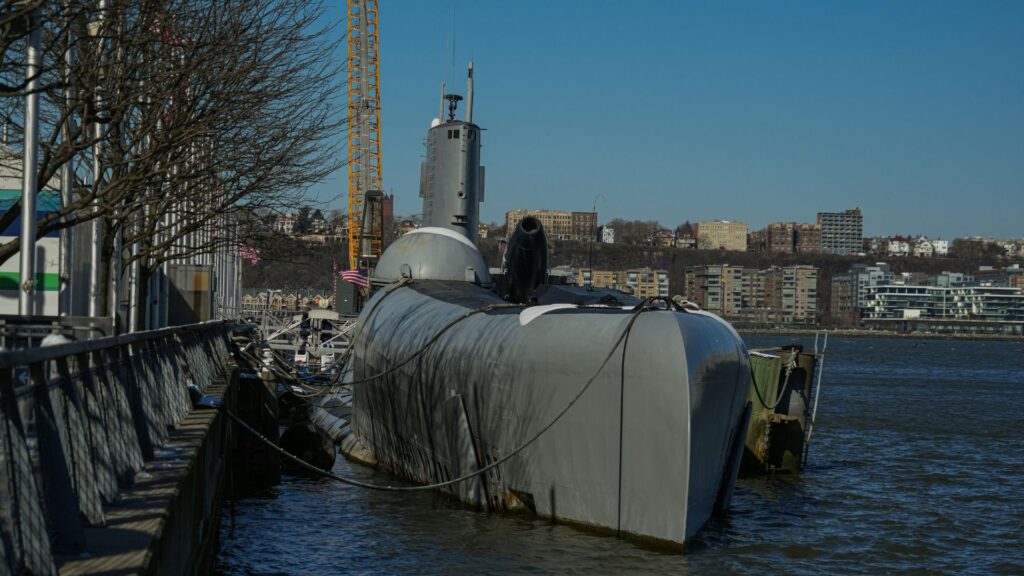
Lifting a sunken submarine isn’t new for Russia. In 2002, a Dutch company called Mammoet helped raise the Kursk, which had gone down in the Barents Sea with 118 crew members on board. Engineers built a massive barge fitted with steel cables to haul it up from the depths. The success of that recovery showed that with the right planning and equipment, even massive underwater wrecks could be brought back to the surface.
Environmental Concerns from Norway’s Bellona Foundation

Norway’s Bellona Foundation has warned that the K-27 and K-159 pose serious risks if left underwater much longer. The group estimates the submarines hold around one million curies of radiation, about a quarter of what was released during the first month of Fukushima. The K-27’s sealant was only meant to hold until 2032, and experts fear a breakdown could trigger a radiation leak that would threaten nearby fishing grounds and shipping routes in the Barents Sea.
Russia Moves Toward a Safer Arctic Future

Russia’s plan to recover the K-27 and K-159 shows how the country is finally addressing its nuclear past. The operation won’t be easy, but it could prevent serious risks to marine life and nearby communities. Once the submarines are raised, scientists can assess the damage and reduce radiation hazards. The effort marks a major cleanup step for the Arctic, where safety and preservation now take priority over decades-old wreckage beneath the sea.
PetsFanatic Team
Pet Care Expert & Content Creator
Passionate about sharing knowledge and tips for better pet care. Writing about everything from pet health to training techniques.