
Researchers Stunned as Ancient Mammoths and Giraffes Surface Near Turkey’s Yamula Dam

Ancient fossils near Turkey’s Yamula Dam have pulled researchers back for another season of surprises. A goat herder first spotted clues years ago, and the site keeps widening the story of the region’s past. Crews now sort through mammoths, giraffes, and other giants that once moved through the Kızılırmak Basin. Each layer brings fresh questions about how these animals ended up in one place, and the ground keeps handing out new pieces to study.
Goat Herder’s Fossil Report
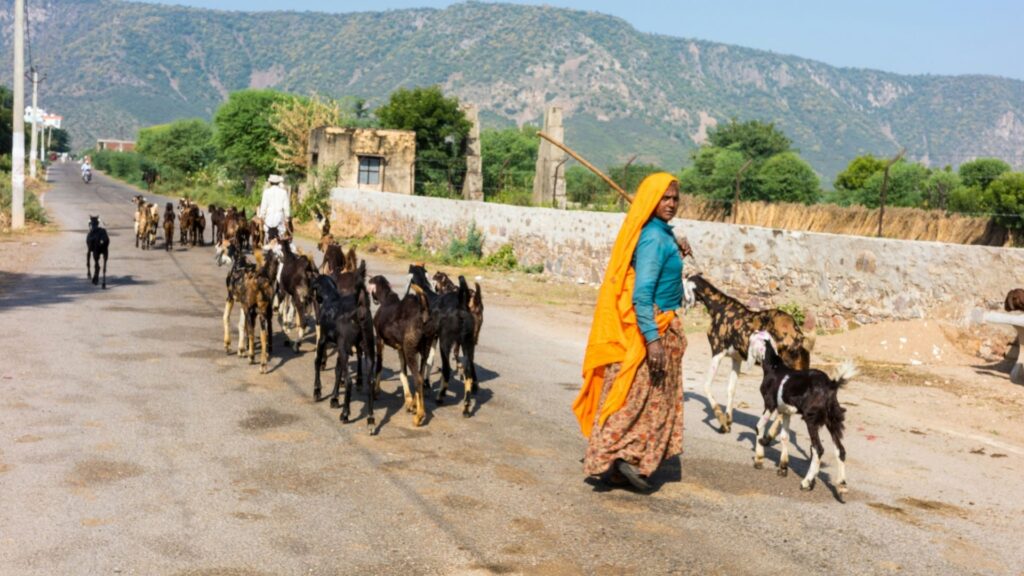
A local goat herder changed the course of the Yamula Dam region in 2017 after spotting unusual bones near the river. His report sparked fresh interest, so researchers returned and confirmed that the ground held far more than anyone expected. The find pushed teams to start formal excavation work in 2018. That early moment set off years of steady digging and steady surprises, and it still stands out as the spark that opened the site to science.
Early Excavation Work Near Yamula Dam

Excavation teams reached the Yamula Dam area in 2018, so the work moved from a simple report to a full investigation. Crews set up along the Kızılırmak River and started uncovering fossils at a steady pace. Each season added new finds, and researchers kept returning as the ground showed more signs of ancient life. The early phase built the foundation for the wide range of discoveries that followed and guided scientists toward promising spots across the basin.
Wide Range Of Prehistoric Species
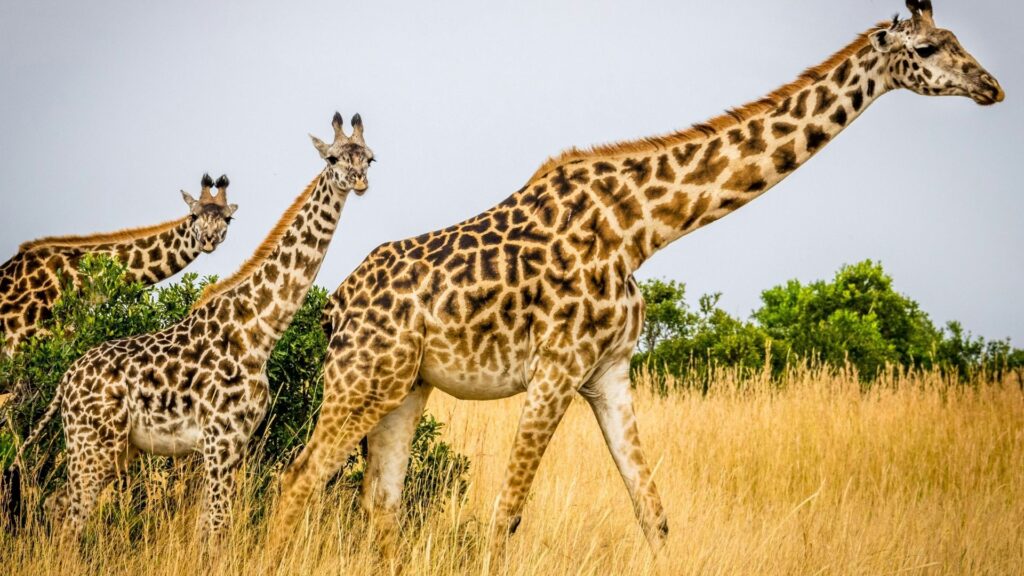
Fossils near the Yamula Dam started telling a wider story as crews uncovered species that once filled the region. Researchers sorted through remains of giraffes, elephants, mammoths, and rhinos, and the mix kept growing. Horses with three toes appeared in the layers, and so did bovids, turtles, and pigs. Each group added depth to the scene, and the variety showed how many animals moved through the basin long before the river and dam took shape.
Dense Fossil Zones In The Kızılırmak Basin

Researchers mapped out pockets of dense fossils across the Kızılırmak Basin, and the pattern kept pointing them toward areas like Çevril, Taşhan, Hırka, and Emmiler. Each spot held enough material to keep teams busy, so surveys helped narrow the ground to dig. The basin offered layers stacked with large bones, and crews kept returning as the site produced new finds. The steady flow of material gave researchers confidence that more species might still sit beneath the surface.
Evidence Pointing To Mass Death Events

Fossil clusters in the Yamula Dam area drew attention because many bones sat close together, so researchers started to wonder if a single event brought them there. Large herbivores appeared in dense groups, and the size of the remains suggested something sudden. Some specimens looked remarkably complete, and that added to the idea that a rapid event may have swept through the basin. Teams now study the layout of each cluster and watch for patterns that repeat across the site.
Unexpected Finds From Older Lineages

Researchers came across a surprising specimen in 2019 that turned out to be older than the mammoth, so the find pushed the team to rethink what lived in the basin. The animal had been mistaken for an elephant ancestor, and the updated identification added a fresh thread to follow. Crews also uncovered a well-preserved pig skull that drew interest. Each unexpected find showed how deep the fossil record runs in the Yamula Dam region.
Large Fossil Clusters In Ancient Sediment

Researchers kept finding large clusters of intertwined fossils in the sediment, and some pieces were so close together that the team joked about them looking like intestines. The layers held big animals packed in tight groups, so each section of ground drew careful study. The size of the bones also pushed crews to work methodically. Every cluster hinted at a place where ancient creatures may have gathered or been caught in a single event that sealed them into the basin.
Argon Dating Strengthening The Timeline

Argon dating gave researchers a clearer view of when each layer formed, so the timeline around the Yamula Dam site grew more precise. Dates around 7.7 million years came from the Çevril locality, and a nearby area measured around 7.4 million years. The method offered a steady anchor for the fossils that surfaced across the basin. Teams also gained confidence as the results stayed consistent, and the updated timeline supported ongoing work at the site.
What Comes Next For The Yamula Dam Site

Researchers plan to keep returning to the basin since each season adds new pieces to the story. Fresh layers still wait under the surface, and teams want to map out more ground. The mix of species also encourages them to widen the search. Excavation crews move slowly so they can protect the larger fossils. The work continues with steady interest, and the site remains active for upcoming digs.
PetsFanatic Team
Pet Care Expert & Content Creator
Passionate about sharing knowledge and tips for better pet care. Writing about everything from pet health to training techniques.