
Researchers Just Unleashed Microbes Trapped in Arctic Ice for 40,000 Years

Scientists at the University of Colorado Boulder have brought microbes back to life after they were frozen in Arctic ice for nearly 40,000 years. These ancient bacteria had been resting hundreds of feet underground in permafrost near Fairbanks, Alaska. Once thawed in warmer lab conditions, they woke up and began to stir. It’s a glimpse into the past that may reveal how ancient life responds to a rapidly warming planet.
Ancient Microbes Awaken After 40,000 Years

A team from the University of Colorado Boulder just revived microbes that had been frozen in Arctic ice for around 40,000 years. They found the samples deep under Alaskan permafrost and warmed them in controlled lab settings. The once-dormant microbes began to stir, producing a sticky layer called biofilm. The discovery provides scientists with a closer look at how ancient life can revive under modern conditions and what that might mean for a warming planet.
Scientists Unearth Life Deep in Alaskan Permafrost
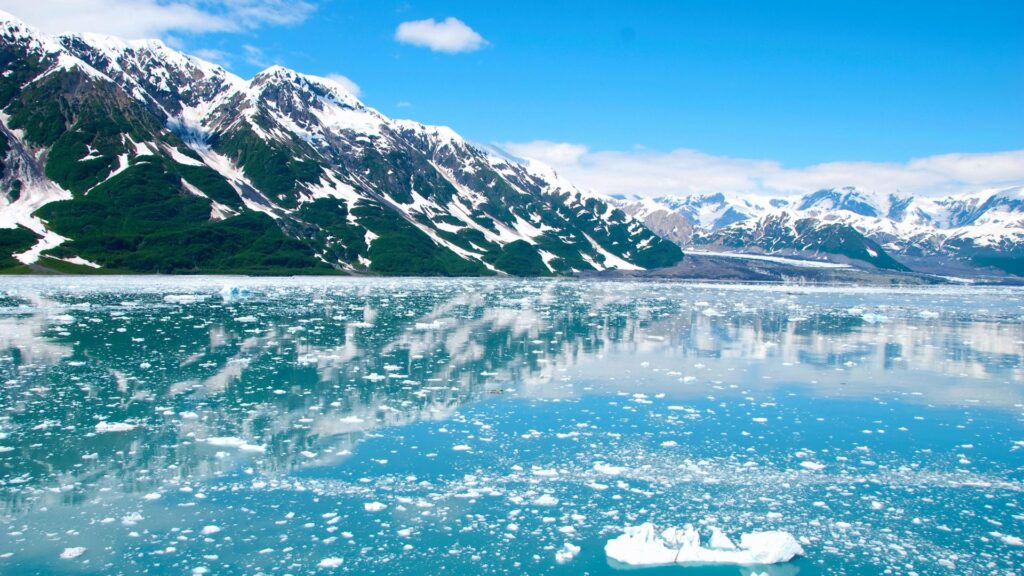
Researchers from the University of Colorado Boulder dug nearly 350 feet beneath Alaska’s frozen ground to find microbes that had been sealed away for tens of thousands of years. The team collected samples from the Permafrost Tunnel near Fairbanks, a research site rich in Ice Age relics, including mammoth bones. The frozen mix of soil, rock, and ice held microbes that had been waiting in the dark, ready to wake when given a bit of warmth and water.
Inside the Permafrost Tunnel Near Fairbanks

Deep under Alaska’s frozen surface lies the Permafrost Tunnel, a research site run by the U.S. Army Corps of Engineers near Fairbanks. It has been around since the 1960s and still holds Ice Age remains, including mammoth bones. Scientists used its frozen walls to collect ancient microbes that had been preserved for millennia. The tunnel functions like a time capsule, preserving samples so researchers can study how long-dormant life responds when exposed to modern temperatures.
Microbes React to Simulated Arctic Summers

Scientists warmed the frozen microbes to temperatures similar to an Alaskan summer, around 39 to 54 degrees Fahrenheit. The goal was to see how they’d react once thawed in modern conditions. After months of observation, the microbes slowly began to move and grow. Some even produced a sticky coating called biofilm. The reaction demonstrated that once the ice melts, these tiny organisms can awaken and begin breaking down organic material, releasing carbon dioxide.
Biofilms Form as Microbes Begin to Stir
After months in controlled laboratory conditions, some of the revived microbes began producing a thin layer called a biofilm. It’s a sticky coating that helps protect bacteria and viruses, but can also make it easier for them to spread. The growth took time to appear, but showed that even ancient life can adapt once given the right environment. Researchers noted that the microbes were far from lifeless and still capable of activity after thousands of years of freezing.
Rapid Arctic Warming Threatens Permafrost Stability

Arctic temperatures have been rising faster than anywhere else on Earth, warming nearly four times as quickly since 1979. The frozen ground, which holds ancient microbes and Ice Age relics, is starting to thaw. Researchers estimate that as much as two-thirds of near-surface permafrost could disappear by 2100. That melting also releases massive amounts of carbon dioxide and methane that were previously trapped underground, so the more it thaws, the more greenhouse gases rise into the atmosphere.
Unknown Microbes Pose Potential Health Risks

Scientists have warned that the thawing of permafrost could release bacteria and viruses that have never been encountered before. Some may already be resistant to antibiotics, and others may be completely new to the concept. They’ve survived in frozen soil for thousands of years, adapting to harsh conditions. Experts refer to it as a biological unknown. So while most revived microbes don’t infect humans, researchers still treat them carefully, knowing even one unexpected strain could bring surprises no one’s ready for yet.
Ancient Bacteria Could Lead to Scientific Breakthroughs

Ancient microbes might sound risky, but they could also open new paths for science. Some bacteria found in Arctic soil may aid in cleaning up oil spills. Others might lead to the development of new antibiotics. Researchers are studying how these organisms function after centuries in the cold, with the goal of learning more about their resilience. While they were frozen for thousands of years, their revival could lead to discoveries that benefit modern medicine and technology.
What Comes Next

Scientists continue to study what these long-frozen microbes can teach us about life and survival. The research could alter our understanding of ancient ecosystems and how they respond to today’s warming climate. More discoveries will likely come as permafrost continues to thaw, revealing what else has been waiting beneath the ice. It’s a reminder that even the coldest, quietest places on Earth still have stories that haven’t finished unfolding.
PetsFanatic Team
Pet Care Expert & Content Creator
Passionate about sharing knowledge and tips for better pet care. Writing about everything from pet health to training techniques.