
Rescuers Save Over 400 Pets and Horses in California Wildfires

Southern California’s wildfires haven’t only pushed people from their homes. Hundreds of pets and farm animals now crowd emergency shelters from Pasadena to Burbank. Pasadena Humane quickly opened its doors to burned and smoke-sick dogs, while the Los Angeles Equestrian Center was filled with evacuated horses and donkeys. Veterinarians, staff, and volunteers treat injuries, haul water and feed, and try to keep anxious animals calm as the fires continue.
Intake At Pasadena Humane

Pasadena Humane opened its doors as fast as pets arrived with ash-covered fur, burned paws, and heavy smoke exposure. Staff moved each animal into care so treatments could start right away. A pitbull mix came in barely able to stand, and was still reunited with his owner after coverage spread his story. More than 400 animals have come through the shelter since the fires began, and the steady flow keeps the team moving.
Injured Pets Needing Care

Pets arrive in painful shape, so the team works fast to stabilize them. A Husky came in with burned paws and singed fur, and he could barely lift his head. He slowly responded to treatment and started to regain some strength. Staff also monitor smoke exposure since many animals breathed in heavy ash for days. Each case needs steady attention, and the medical staff stays close to every recovery.
Long Term Sheltering Shift

Pasadena Humane expected short stays at first, so staff prepared for quick turnarounds. Families dropped off pets as they evacuated and planned to return soon. Many came back to find they no longer had homes and needed longer shelter care. The team adjusted fast and made space for extended stays. More animals also arrived injured, so the shelter moved into a steady rhythm of treatment, feeding, and daily support for pets with nowhere else to go.
Burn Zone Rescue Calls

Calls from burn zones grew fast, so Pasadena Humane shifted its focus to live rescues. Staff received reports of animals still trapped in damaged areas and moved teams in as soon as access opened. Eight injured peacocks needed care, and they also fielded a plea from a man trying to reach cows, sheep, and a bull after a bridge collapsed. Crews planned routes and worked out ways to get water and help to those animals.
Water Access For Stranded Livestock

Calls also came from owners who couldn’t reach livestock cut off by fire damage. One man asked for help after a collapsed bridge blocked his path to cows, sheep, and a bull. Pasadena Humane talked through routes and worked out how to move enough water across a ravine and up a hill. Staff understood those animals had been without care for days, so they planned the delivery step by step to keep them stable.
Community Donation Response
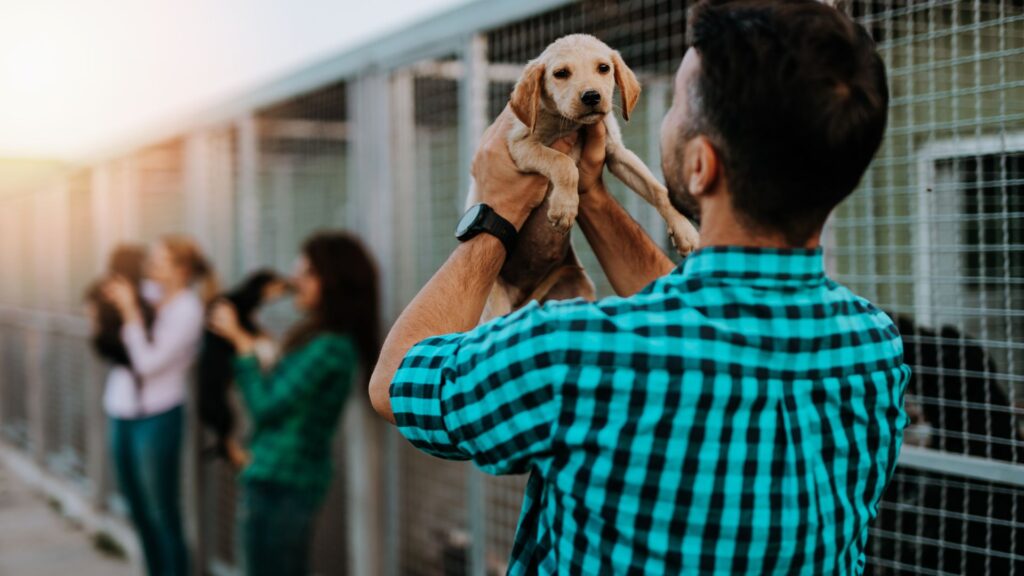
Donations poured in fast, so Pasadena Humane kept clearing space for more supplies. Staff received enough food, blankets, and crates to fill five U-Haul trucks. People also showed up with treats, water, and cleaning items, and they asked how they could help. The steady support gave the team what they needed to keep animals fed and comfortable. Volunteers moved items into storage and sorted everything so staff could grab what each pet needed.
Horse Shelter At Los Angeles Equestrian Center

The Los Angeles Equestrian Center opened its gates fast and close to 400 horses, and a few donkeys settled into new stalls. Some arrived with owners who evacuated, and others came in after officers found them wandering through smoke. Staff and volunteers worked together so each horse had water, feed, and space to rest. The area has a long history with horse owners, and the center stayed ready as more trailers rolled in.
Stress And Adjustment Among Evacuated Horses
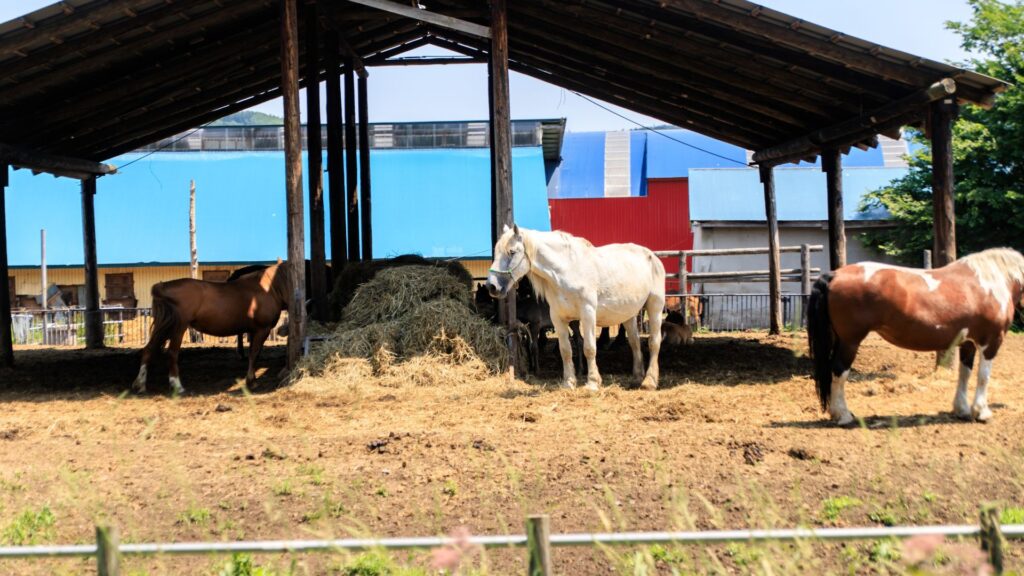
Many horses arrived anxious and unsettled, so staff kept a close eye on how each one reacted. New surroundings, loud activity, and smoke-filled days made some horses pace or call out for familiar sounds. The equestrian center team stayed patient and kept routines steady so the animals could settle in. Volunteers also walked the aisles and offered calm voices and food. Most horses slowly adjusted and found a rhythm in their temporary stalls.
How Support Keeps These Animals Moving Forward

Shelters keep caring for pets and livestock as calls continue. Staff and volunteers stay on their feet and adjust to whatever arrives next. Horses settle into new routines, and dogs rest in clean kennels while treatments continue. People keep dropping off supplies so the teams can focus on steady care. Anyone who wants to help can give food, blankets, or time, since every bit of support lifts the workload for those caring for these animals.
PetsFanatic Team
Pet Care Expert & Content Creator
Passionate about sharing knowledge and tips for better pet care. Writing about everything from pet health to training techniques.