
Fossilized Remains of Two Never-Before-Seen Prehistoric Shark Species Discovered
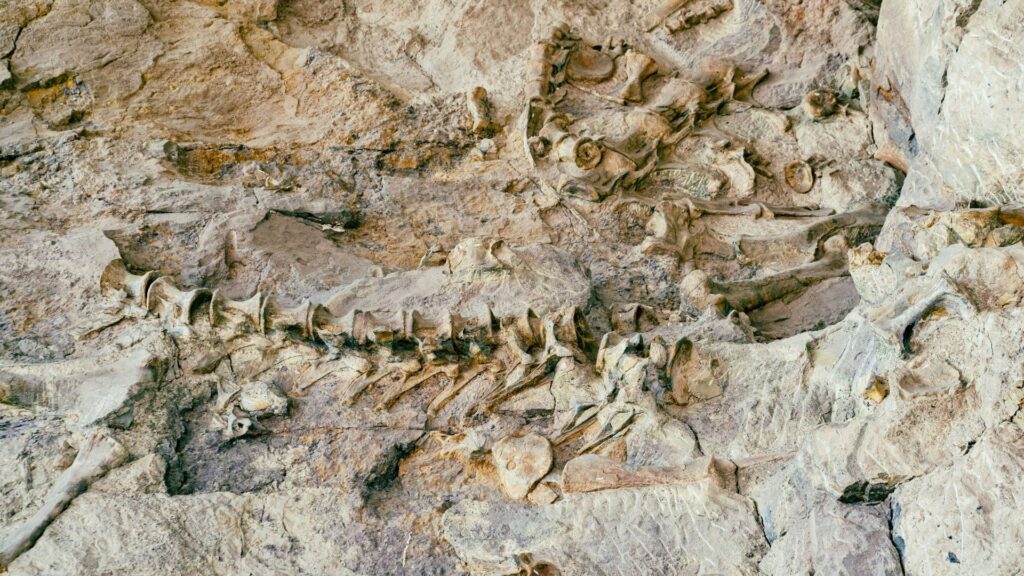
Deep inside Mammoth Cave in Kentucky, scientists have uncovered fossils of two previously unknown prehistoric shark species. The discovery reveals traces of an ancient sea that once covered a significant portion of North America. These fossils, preserved for over 325 million years, offer a rare glimpse into early marine life. Each detail helps scientists better understand creatures that swam long before dinosaurs, hidden beneath layers of rock and time inside the world’s largest cave system.
Discovery Deep Within Mammoth Cave

Deep inside Mammoth Cave in Kentucky, researchers have uncovered fossils that had been sealed away for over 325 million years. The remains belong to two shark species that scientists had never identified before. They were discovered during a detailed fossil survey conducted by the National Park Service. The discovery also highlights how the world’s largest cave system still holds surprises from Earth’s distant past, preserved in limestone layers that once rested beneath a prehistoric sea.
Ancient Sharks Hidden for 325 Million Years

For more than 325 million years, two ancient shark species stayed hidden inside layers of limestone deep within Mammoth Cave. They lived in an age long before dinosaurs, when Kentucky sat under a warm inland sea filled with strange marine life. The fossils are so well-preserved that scientists can still study the details of their teeth and spines. Each new finding adds another piece to the story of Earth’s prehistoric oceans.
Troglocladodus Trimblei and Glikmanius Careforum

Scientists named the two prehistoric shark species Troglocladodus trimblei and Glikmanius careforum. Both belong to a now-extinct group called ctenacanths, which had distinctive comb-shaped dorsal spines. Troglocladodus measured about eleven feet long and likely hunted softer prey, while Glikmanius had a stronger bite suited for harder shells and bones. Their teeth and structure reveal how different hunting styles evolved in ancient seas, providing researchers with more insights into early shark diversity.
Traits That Set the Ctenacanth Sharks Apart

Ctenacanth sharks stood out from modern species in striking ways. They had comb-shaped dorsal spines that may have served as a defense or display mechanism. Their bodies showed features that don’t connect directly to any shark living today, so they give researchers a look at a very different stage in shark evolution. Each fossil reveals the remarkable diversity of ancient sharks and their remarkable adaptations to their environments long before modern oceans took shape.
Glikmanius and Troglocladodus Hunting Styles

Glikmanius and Troglocladodus hunted in very different ways. Troglocladodus had forked teeth that worked well for grabbing softer prey, suggesting quick ambushes in shallow waters. Glikmanius, on the other hand, had stronger jaws that could crush bone and hard shells. Its bite likely made it one of the top predators of its time. Each species shows how ancient sharks adapted their hunting styles to the marine life that surrounded them.
How Mammoth Cave Preserved the Fossils

Mammoth Cave kept the fossils in remarkable shape for millions of years. The cave’s low-oxygen environment and stable conditions slowed decay, letting fine details like ribs and spines survive. Layers of limestone acted like a natural vault, protecting the remains from outside elements. Scientists credit these unique conditions for providing them with such clear fossils to study, demonstrating how time and geology worked together to preserve a snapshot of ancient marine life.
The Paleontological Resource Inventory Program

The Paleontological Resource Inventory Program helps scientists keep track of fossil discoveries across U.S. national parks. It was created under the Paleontological Resources Preservation Act to make sure ancient remains are properly recorded and studied. Researchers use fieldwork, museum collections, and archival records from past studies to construct detailed fossil records. The program has already cataloged finds in more than 270 parks, so each discovery adds to a growing picture of Earth’s distant history.
Traces of a Tropical Sea Beneath Kentucky

During the Mississippian subperiod, the area that’s now Kentucky sat beneath a warm tropical sea. The land we know today was part of an island chain filled with coral reefs, mollusks, and early sharks. Over time, shifting tectonic plates changed the region’s shape, leaving behind the limestone layers that later formed Mammoth Cave. Those layers still hold fossils that help scientists understand what ancient seas across North America once looked like.
Looking Ahead Beneath the Surface

Discoveries like these remind us of how much of Earth’s past remains hidden beneath the surface. Scientists continue to study the layers of Mammoth Cave, hoping to find more fossils that connect pieces of prehistoric history. Each finding adds depth to our understanding of ancient marine life. The cave may still hold surprises from a time when Kentucky was submerged under warm, tropical waters filled with creatures that are now extinct.
PetsFanatic Team
Pet Care Expert & Content Creator
Passionate about sharing knowledge and tips for better pet care. Writing about everything from pet health to training techniques.