
Rare “Pink Meanie” Jellyfish Wash Up on Texas Beach

Beachgoers along the Texas coast have spotted an unusual sight in the surf. Rare “pink meanie” jellyfish, known for their striking color and massive size, recently washed ashore. Some measured long, trailing tentacles and drew plenty of attention. They stand out in the water, but once stranded on sand, their color fades fast. Locals described seeing more than ten in recent days, leaving many curious about these jellyfish that look like floating cotton candy.
Rare Pink Meanie Jellyfish Wash Up in Texas

The rare “pink meanie” jellyfish have shown up along parts of the Texas Gulf Coast, and they’ve been hard to miss. Some beachgoers counted more than ten of them in recent days, so the sight quickly drew attention. Known for their large size and bright pink color, these jellyfish can stretch tentacles up to 70 feet. They also feed on moon jellyfish, which often gather in big numbers, so the pink meanies usually follow right behind.
Pink Meanie Tentacles Reach 70 Feet Long

Pink meanie jellyfish stand out for their size, and their tentacles can stretch up to 70 feet. Some also weigh more than 50 pounds, so they’re not your usual jellyfish sighting along the coast. Their bright pink bodies often remind people of cotton candy in the water, though that color fades once they hit the sand. They feed mainly on moon jellyfish, so when those gather in large groups, the pink meanies aren’t far behind.
Jellyfish Feed on Smaller Moon Jellyfish Species

Pink meanie jellyfish feed almost entirely on moon jellyfish, so when thousands of moon jellies gather, the pink meanies show up too. They’re known to consume large numbers at once, which makes them stand out compared to other jellyfish species. Without moon jellies around, they can die off quickly, so their presence along the Texas coastlines up with recent moon jelly gatherings. It’s a reminder of how closely their survival tied to that smaller species.
Mild Sting from Pink Meanie Jellyfish

Pink meanie jellyfish may look intimidating, but their sting is described as mild. Jace Tunnell, who spotted more than ten along the Texas coast, noted that people usually feel only a light sensation if they come into contact. So they’re not known to cause the painful stings that other jellyfish deliver. The striking color and massive size often grab attention first, but beachgoers can feel reassured that encounters with these jellyfish aren’t usually severe.
Species Only Identified in 2011

Scientists only confirmed the pink meanie as a separate species in 2011, so it’s still fairly new in marine research. For years, experts thought the jellyfish seen in the Gulf of Mexico were the same as ones from the Mediterranean. Genetic testing showed they were actually a completely different family, and that’s how the pink meanie got its place on the map. They’ve also been spotted in the Mediterranean and near South Africa.
Pink Meanies Thrive in Warm Waters
Pink meanie jellyfish need warm water to survive, so they’re most often found in places like the Gulf of Mexico, the Mediterranean, and near South Africa. Cold water can kill them quickly, so their range stays limited to regions with higher temperatures. They also depend on moon jellyfish to stick around, so both conditions usually go hand in hand. When the water warms up and moon jellies gather, pink meanies often follow in noticeable numbers.
Range Includes the Mediterranean and South Africa

Pink meanie jellyfish aren’t limited to the Texas coast. They’ve also been reported in the Mediterranean and near South Africa, so their reach covers more than one region. They need both warm water and moon jellyfish to survive, so their presence in these areas makes sense. Researchers first noticed them in the Gulf of Mexico in the early 2000s, and sightings since then have shown how widely this rare jellyfish species can spread.
Challenges of Identifying Washed-Up Jellyfish
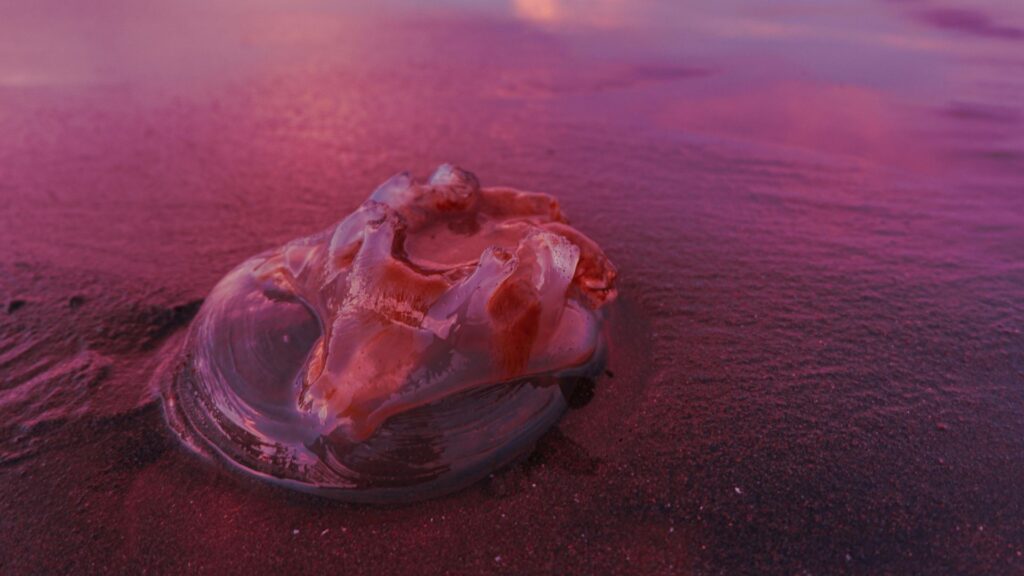
Pink meanie jellyfish stand out in the water with their bright color, but they often look different once they wash ashore. Their pink fades quickly on the sand, so spotting them isn’t always easy. That change can leave beachgoers unsure of what they’re looking at. Some only realize later that they’ve come across a rare jellyfish. The color shift explains why people sometimes miss them, even when they’re right there on the beach.
Keep an Eye Out on Your Next Beach Walk

Pink meanie jellyfish sightings don’t happen often, which makes them a standout find along the Texas coast. Their size, color, and unusual eating habits set them apart from other jellyfish people usually see. If you spot one on the sand, take a picture and admire it from a safe distance. Encounters like these remind beachgoers just how much life is moving around in the water, even when it drifts onto shore.
PetsFanatic Team
Pet Care Expert & Content Creator
Passionate about sharing knowledge and tips for better pet care. Writing about everything from pet health to training techniques.