
Rare ‘Golden-Haired’ Creature Spotted in India for the First Time

A team of scientists waited quietly in the thick forests of eastern India. They set up a harp net and played recorded calls, hoping to find a surprise. Soon, a small bat with golden fur appeared, catching everyone off guard. Catching a species never seen in India before gave the moment so much excitement. That tiny bat shone bright under the canopy, wagging curiosity into the hearts of everyone there.
Golden Haired Bat Trapped in Indian Forest

Researchers headed into a mountain forest in eastern India and set up a harp net, searching for rare wildlife hidden in the trees. When a flash of golden fur swept through the leaves, curiosity grew. The team just wanted a closer look, and their patience paid off. The trap caught a golden-haired bat nobody expected. Finding this bright species in the country brought a real sense of achievement to everyone involved.
First Record of Harpiola Isodon in India

Scientists made news with the first sighting of Harpiola isodon in India, a golden-haired tube-nosed bat previously known from places like Taiwan, Vietnam, and China. So, when the team spotted this little creature, they knew something special had just happened in their country. The discovery not only surprised everyone but also expanded the known range of this species by hundreds of miles, turning a regular day in the forest into a remarkable moment for Indian wildlife research.
Species Range Extends Over 600 Miles Westward

Scientists have learned that the golden-haired bat now lives much farther west than anyone had recorded before. The species once appeared only in Taiwan, Vietnam, and China. Researchers studying the Indian forest added more than 600 miles to the bat’s known range. That single discovery just connected new regions for this tiny, bright bat, letting the scientific community add a fresh chapter to its story.
Bat Faunas Connected Across Asian Mountain Chains
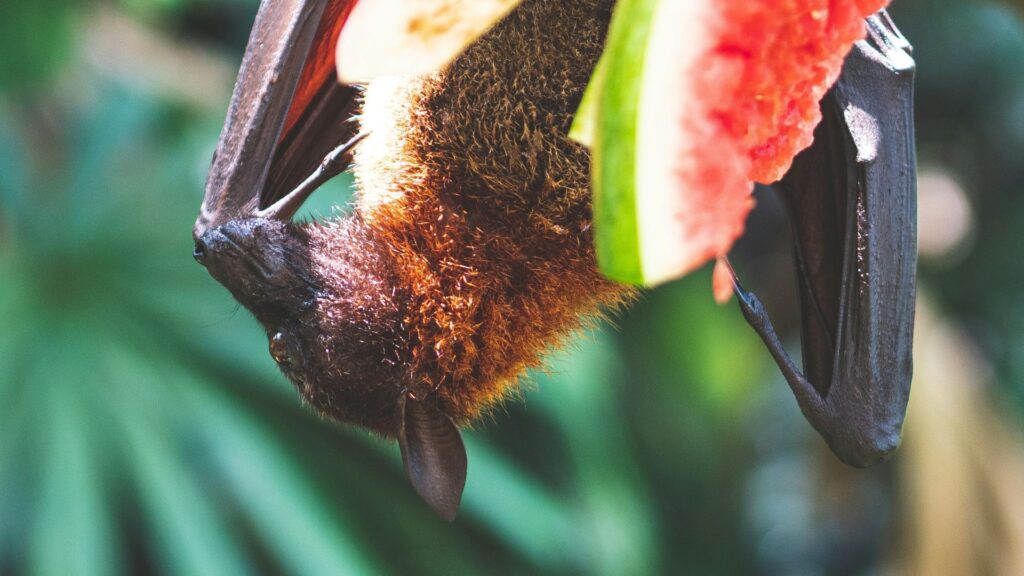
Researchers have recently discovered that the golden-haired bat has relatives in distant regions, including the Himalayas, the Hengduan Mountains, and the Greater Annamites mountain range. So, when the team found this species on an Indian ridge, they also uncovered a connection nobody expected. The new information allowed scientists to see bat populations spanning across neighboring countries and mountain chains, making these dense forests seem a little less isolated and a lot more exciting for anyone studying Asia’s wildlife.
Female Specimen with Golden-Tipped Fur

A closer look at the captured bat revealed a female with long, soft fur and golden-tipped hairs that stood out against dark brown roots. So, scientists just had to pause and take in the shimmering look of this tiny mammal. The golden coloring gave the creature a special touch. With her unusual fur, the female specimen quickly became the highlight of the fieldwork and sparked even more curiosity about bats in the region.
Small Size Confirms Unique Physical Features
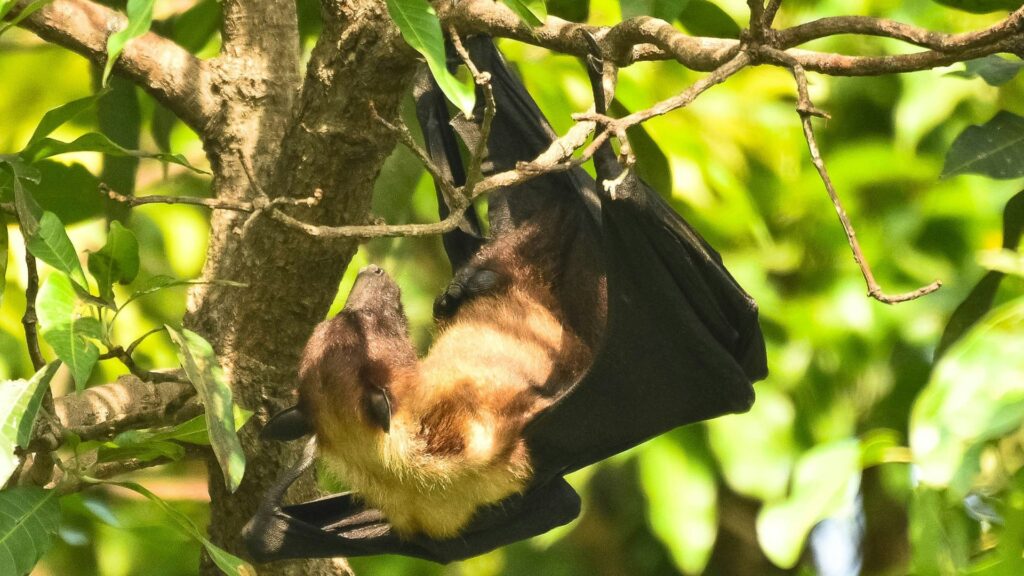
The newly spotted bat stood out for more than her golden-tipped fur. Scientists noted her small forearm length of just 1.4 inches, which made her diminutive size easily noticeable next to other bats. The measurements helped researchers confirm the unique physical features associated with this species. Seeing such a petite creature, paired with those bright colors, turned routine data collection into a moment filled with admiration for wildlife diversity.
Earlier Mizoram Capture Reclassified as Same Species

Experts examined a specimen from Mizoram collected in 2002 and took a closer look at its features. After reviewing its shape and coloring, they realized it matched the golden-haired tube-nosed bat found in the recent expedition. The old record had identified it as a different species, Harpiola grisea. A careful side-by-side comparison convinced researchers to update the Mizoram entry, linking it to the same rare species that had been newly spotted in India.
International Team Publishes Findings in Zootaxa

A team of researchers from various countries joined efforts to study the golden-haired bat caught in India. After careful examination, they shared their findings in the journal Zootaxa. The paper brought together expertise from across the globe and helped introduce this rare species to the wider scientific community. Publishing in a respected journal gave the discovery a solid foundation in wildlife research and demonstrated the benefits of international collaboration in enhancing our understanding of nature’s diversity.
Looking Forward to More Wildlife Surprises

Scientists are now watching India’s forests with new excitement after documenting the golden-haired bat. With each new expedition, the discoveries continue to grow. The story doesn’t end with one bright-furred bat. More unusual wildlife may appear as teams continue to search under the thick canopy. So, every visit to the wild has the chance to add a new page to the country’s list of amazing creatures.
PetsFanatic Team
Pet Care Expert & Content Creator
Passionate about sharing knowledge and tips for better pet care. Writing about everything from pet health to training techniques.