
Rare 4,000-Year-Old Handprint No One Was Supposed to See
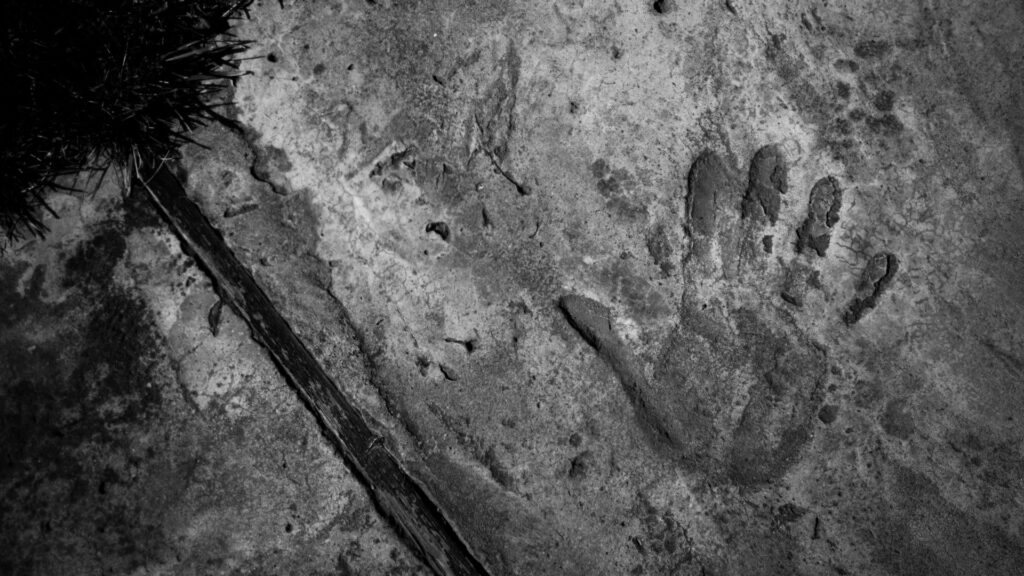
Museum galleries rarely show traces of the hands that shaped ancient objects. Visitors usually see finished forms, not the moments before firing. At the University of Cambridge, a small clay structure challenges that distance. On its underside rests a full handprint left by an Egyptian potter four millennia ago. The mark stayed hidden beneath a burial offering, waiting through centuries of silence. Now it invites modern viewers into a quiet, human moment from the past.
The Handprint Found Beneath the Soul House

Archaeologists noticed the handprint only after turning the clay soul house over. The mark sat on the underside, pressed into soft clay before firing. A potter likely lifted the structure to move it aside, so the hand stayed hidden once the piece entered a tomb. Thousands of years passed without anyone seeing it. The print survived quietly, preserved by chance and sealed beneath an object meant for burial rituals.
What Soul Houses Meant in Ancient Egyptian Burials

Soul houses served as small clay structures placed inside tombs to hold food offerings for the dead. Ancient Egyptians shaped them like homes with courtyards, columns, and staircases, so they reflected everyday spaces. Families left bread and other goods there during burial practices. These objects acted as symbolic dwellings, giving the deceased a place to receive offerings long after burial ceremonies ended.
How Researchers Identified the Mark’s Age

Researchers dated the handprint by studying the soul house itself, so the object set the timeline. Clay style, construction methods, and burial context placed it between 2055 and 1650 B.C. Museum experts compared the piece with similar offerings from known periods. Records from excavations also supported the timeframe. Together, these details linked the mark to a specific era without testing the handprint directly.
Steps Used to Build and Fire the Clay Structure

Ancient potters built soul houses in stages, starting with a framework made from wooden sticks. Clay covered the structure, and hands shaped columns, staircases, and open courtyards while the surface stayed soft. After drying, the piece moved to a kiln for firing. Heat burned away the wood inside, so hollow spaces remained. That process locked fingerprints and handprints into the hardened clay.
Why Full Handprints Rarely Survive on Artifacts

Full handprints rarely remain on ancient objects because surfaces are usually smoothed, decorated, or handled before firing. Potters often adjusted pieces as they worked, so early marks disappeared. Many impressions appeared on visible areas and wore away over time. In this case, the print stayed underneath the soul house. That hidden placement protected the clay surface, so the handprint survived untouched for thousands of years.
Daily Life of Ancient Egyptian Potters

Ancient Egyptian potters spent long days working with clay gathered from the Nile’s silt. Hands shaped bowls, storage jars, and burial objects in busy workshops. Work stayed physical and repetitive, so marks from fingers and palms came naturally. Potters focused on steady output rather than signatures. Many objects moved quickly from shaping to drying, which explains why traces of the maker rarely remained visible once firing finished.
Social Standing of Clay Workers in Egypt

Clay workers held little social standing in ancient Egypt, even though their output filled homes and tombs. Written sources placed potters near the bottom of society, and some texts mocked them as people covered in mud. Clay came easily from river silt, so the work drew little praise. Objects survived far longer than the names of those who shaped them, which left most potters anonymous.
How the Fitzwilliam Museum Plans to Present the Find

The Fitzwilliam Museum plans to display the soul house as part of its Made in Ancient Egypt exhibition opening in October. Curators want visitors to see the underside clearly, so the handprint stays visible rather than hidden. Display materials will focus on makers, using tools, unfinished pieces, and records. The goal centers on showing everyday workers as individuals, not just the objects they left behind.
Seeing the Maker Behind the Object

A single handprint changes how people look at ancient objects. Instead of polished displays, viewers meet the person who lifted wet clay and set it down to dry. Museums often show finished results, so moments like this feel close and human. Standing in front of that mark invites visitors to slow down, look underneath, and think about the everyday hands that shaped history long before names ever followed them.
PetsFanatic Team
Pet Care Expert & Content Creator
Passionate about sharing knowledge and tips for better pet care. Writing about everything from pet health to training techniques.