
Over 60,000 African Penguins Dead Due to Sardine Population Decline
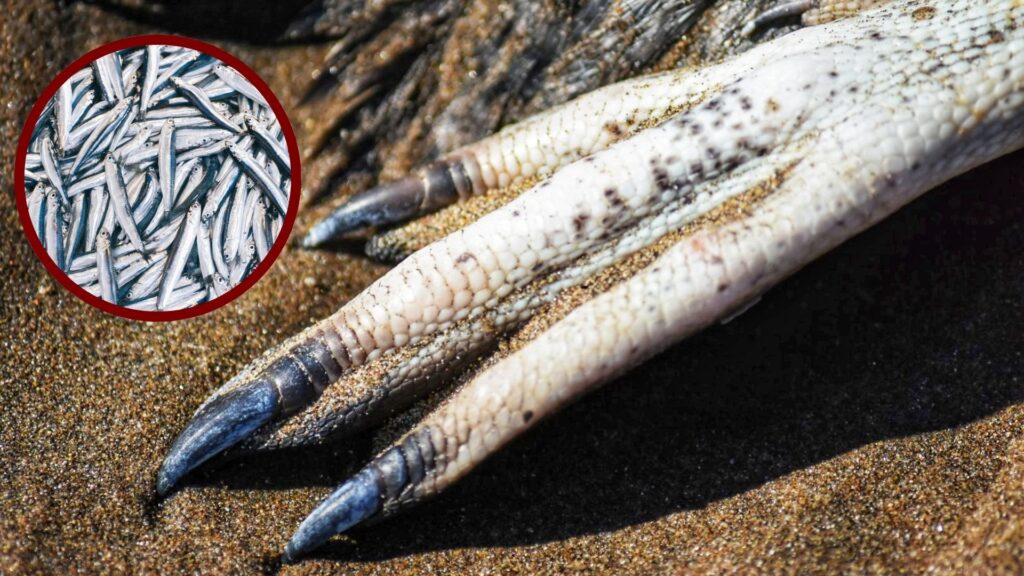
Penguins usually steal attention with their steady shuffle, yet a tough story sits behind their charm right now. Researchers tracking colonies near South Africa found huge losses after sardine numbers sank. The birds depend on those fish to pack on weight before their annual feather shed, and many never reach the reserves they need. The new research paints a clear picture of how quickly their fortunes can change when food thins out in their coastal home.
Sardine Decline Off South Africa
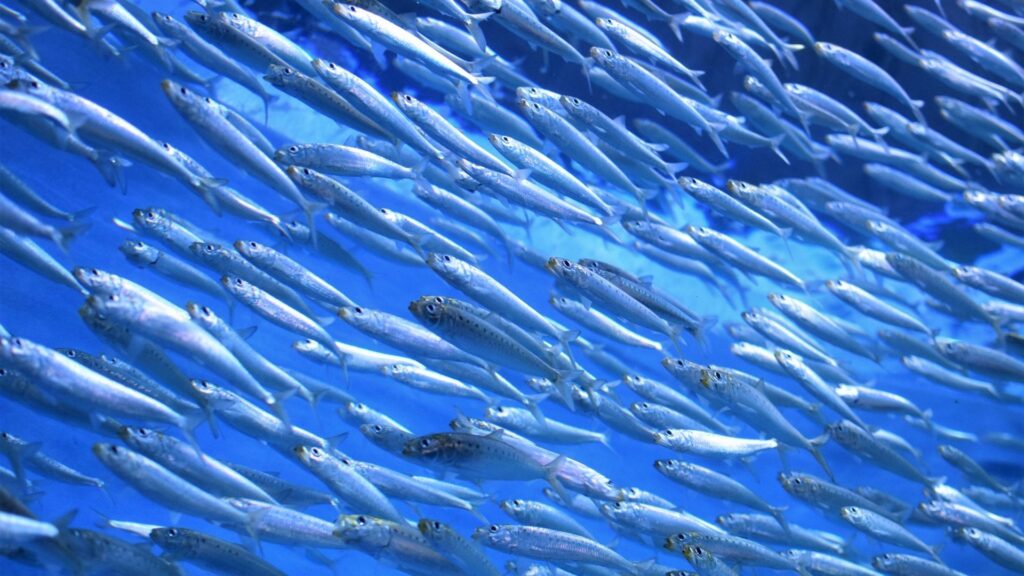
Sardines along the western coast dropped to a fraction of their former numbers, so penguins faced a sudden shortage of their main food source. Researchers tracked the steady fall in sardine biomass and linked it to shifts in water temperature and salinity. Fishing pressure also stayed high in the region, and the mix of these factors left penguins with far less to hunt before their annual feather shed. The impact reached major colonies quickly and spread farther along the coast.
Sharp Losses In Major Penguin Colonies

Researchers watched numbers crash in two major colonies on Dassen Island and Robben Island, so the picture turned grim fast. More than 95 percent of breeding adults disappeared between 2004 and 2012, and many likely entered their feather shed without enough reserves to make it through. They stay on land for weeks during that period, and hunger builds quickly. The pattern also showed up in other monitored sites, and the drop spread through wider regional counts.
Moulting Season Hunger Pressure

Penguins enter their annual feather shed for about three weeks, so they stay on land and rely on reserves built up beforehand. They need steady access to sardines to gain enough weight, and researchers found many birds struggled to reach that point. Hunger can set in fast during the shed, and experts noted that carcasses rarely wash ashore. Many likely weaken at sea after returning to hunt with depleted energy.
Long-Term Species Decline

African penguins have faced a steady decline in numbers for decades, and researchers have documented a nearly 80 percent decline over 30 years. Colonies once filled with breeding pairs now sit far quieter, and the trend continued as sardine numbers declined. Conservation groups also track fewer than ten thousand breeding pairs today. The long slide leaves scientists concerned, so they study how food shortages shape survival across different coastal sites.
Shifts In Ocean Conditions

Ocean conditions along the western coast changed in ways that hit sardine spawning, and researchers pointed to shifts in temperature and salinity as major factors. Sardines struggled to reproduce at past levels, so penguins also faced fewer dependable feeding spots. Fishing pressure stayed high in the region, and the mix pushed sardine biomass down to a small fraction of earlier counts. Scientists continue to watch how these changing waters shape future breeding seasons for the fish.
Fishing Pressure Near Breeding Sites

Fishing pressure stayed high around the western coastline, and sardine numbers fell year after year, so penguins had fewer feeding spots near their nesting areas. Purse seine fishing also targeted schools that penguins relied on, and it pushed conservation groups to call for tighter controls. Authorities later banned purse seine fishing around the six largest colonies, and researchers hope the move helps penguins reach their breeding grounds with better reserves.
Conservation Measures Underway

Conservation teams stepped in with a mix of hands-on support, and many efforts focus on giving penguins a safer path through each season. Workers build artificial nests, manage predators, and also hand-rear adults and chicks that come in weak. Authorities added fishing limits near major colonies, so penguins just might reach the feather shed with stronger reserves. Researchers also check how these steps influence survival across different sites.
Warnings From Independent Scientists

Independent scientists also raised concerns, and many pointed to long-standing issues with small fish management along the coast. Marine biologists noted that the study only tracked survival until 2011, so later declines may be even sharper. They also warned that low sardine numbers affect more species that depend on the same prey. Their comments added context to the findings, and they urged faster action to support healthier fish stocks moving forward.
Steps That Can Help Penguin Numbers Grow

Penguins in South Africa face real pressure, so every bit of support counts. Conservation teams already build nests, watch predators, and guide rescued birds back to strength. You can follow updates from trusted wildlife groups and share their work with others. Awareness often leads to stronger backing for local projects. Many people enjoy penguins, and steady attention keeps their story moving in a better direction.
PetsFanatic Team
Pet Care Expert & Content Creator
Passionate about sharing knowledge and tips for better pet care. Writing about everything from pet health to training techniques.