
Archaeologists Discover 10,000-Year-Old Evidence That Bridge Between North and South America Was Guarded by ‘Beasts’

Archaeologists in Panama uncovered signs of creatures that once lived along the land bridge connecting North and South America. Around 10,000 years ago, anyone moving through that area would’ve seen massive animals roaming nearby. Fossils show evidence of predators and other large beasts that shaped how people and wildlife traveled between the continents. The bridge not only links two regions, but it also brings them face to face with creatures that dominated the terrain.
Ancient Land Bridge Connecting the Americas

Ten thousand years ago, a strip of land joined North and South America in Panama. It acted like a natural bridge where people and animals passed through on their journeys. Fossils found in the area point to creatures that once moved across that same ground. The crossing gave humans a way to spread farther, and it also connected wildlife that had never shared the same space before. So the bridge became a meeting point in history.
Older Origins of the Isthmus

Geologists believe the Panama land bridge formed much earlier than once thought, possibly more than 12 million years ago. Studies of ocean fossils and sediment layers show that the seaway between continents gradually closed. Tectonic shifts lifted the ground over time, shaping the link that joined North and South America. The findings help scientists trace how land, water, and species movement changed across the region long before humans arrived.
Forces That Shaped the Land Bridge

The Panama land bridge didn’t form all at once. Tectonic shifts pushed underwater volcanoes upward, and layers of sediment filled the gaps between them. Over millions of years, land rose where the ocean once stood. Scientists found marine fossils buried high above sea level, showing how gradual uplift changed the region’s shape. The process joined two continents, shifted ocean currents, and created new paths for animals long before humans arrived.
Discovery of Ice Age Megafauna

Archaeologists in Panama uncovered fossils from massive Ice Age animals. Finds included saber-toothed cats, ancient elephants, and other large creatures that moved across the land bridge. Evidence shows people in the area lived alongside predators and herds of wildlife more than 10,000 years ago. The ground still holds traces of those animals, giving researchers a window into the mix of humans and megafauna that once traveled through the same stretch of land.
Climate Shifts That Drove Migration

Ice Age temperature swings changed the land bridge’s environment and movement patterns. Glaciers expanded, sea levels dropped, and wide plains opened across Panama. Large animals followed new routes in search of food, and people likely moved with them. Warmer periods later led to flooding in low-lying areas, forcing both humans and wildlife to adapt. So every shift in climate shaped who crossed the bridge and when, leaving traces of life frozen in time.
Giant Short-Faced Bears

Among the fossils found in Panama were traces of giant short-faced bears, animals far larger than the bears we know today. They stood tall, with long legs that made them fast runners, so people crossing the land bridge would’ve faced an intimidating presence. These bears lived more than 10,000 years ago, and just their size alone shows how different the region once looked. Archaeologists say the findings help piece together the mix of predators in that era.
Uneven Animal Exchanges

When the land bridge formed, animals began moving between North and South America, but not in equal numbers. Fossil records show many northern species traveled south, while fewer southern species made the trip north. Predators, grazers, and smaller mammals spread into new territories, changing ecosystems on both sides. Scientists studying these patterns say the movement reshaped wildlife diversity across the continents, showing how geography alone could redirect the flow of life.
Wolf-Like Carnivores of the Region

Fossils in Panama also point to predators that looked much like wolves but grew larger than the ones we know today. These animals hunted across the land bridge more than 10,000 years ago, so people moving through the region weren’t the only travelers. The remains show that the land carried packs of carnivores alongside herds of prey. Archaeologists see these finds as pieces of a bigger picture that tells how life moved between the continents.
Smaller Creatures on the Move

Not every traveler across the land bridge was large. Fossil evidence shows that rodents, reptiles, and smaller mammals also crossed between the continents. These animals followed shifting habitats and food sources as the climate changed. Their movement helped spread new species into unfamiliar regions and filled gaps in local ecosystems. So the bridge didn’t only carry predators and giants, it also connected the tiny creatures that quietly shaped life across the Americas.
Other Prehistoric Mammals Found

The land bridge didn’t only carry large predators, it was home to a wide range of mammals that left behind traces in Panama. Archaeologists found fossils of ancient horses, ground sloths, and even small animals that traveled the same paths as humans. So the ground held layers of history where herds, hunters, and people all crossed. These finds give a clearer view of the variety of life that once filled the region more than 10,000 years ago.
Ancient Bird Crossings

Fossil records show that birds traveled through the Panama land bridge long before humans arrived. Species from South America appeared in the north, and others from the north found new habitats farther south. Expanding forests and coastlines created fresh routes for feeding and nesting. The path connected bird populations across two continents and helped shape the mix of species still seen throughout the Americas today.
Underwater Cave Burial Site

Archaeologists studied a cave in Panama that now sits underwater and found it once held human remains. The bones were arranged in ways that suggest burial practices from thousands of years ago. The location shows that people used the land bridge for more than travel, leaving personal traces behind. Researchers see the flooded cave as a rare site that connects human activity with the same ground where animals and people once moved across the continents.
Burial Sites Beneath the Isthmus

Archaeologists exploring submerged caves in Panama uncovered human remains that point to early burial traditions. The caves, once above sea level, were part of the ancient land bridge thousands of years ago. Careful placement of bones and artifacts suggests ritual or community activity. Researchers believe these sites mark where people paused during their travels, creating spaces that preserved traces of daily life and early cultural expression.
Implications for Human Migration
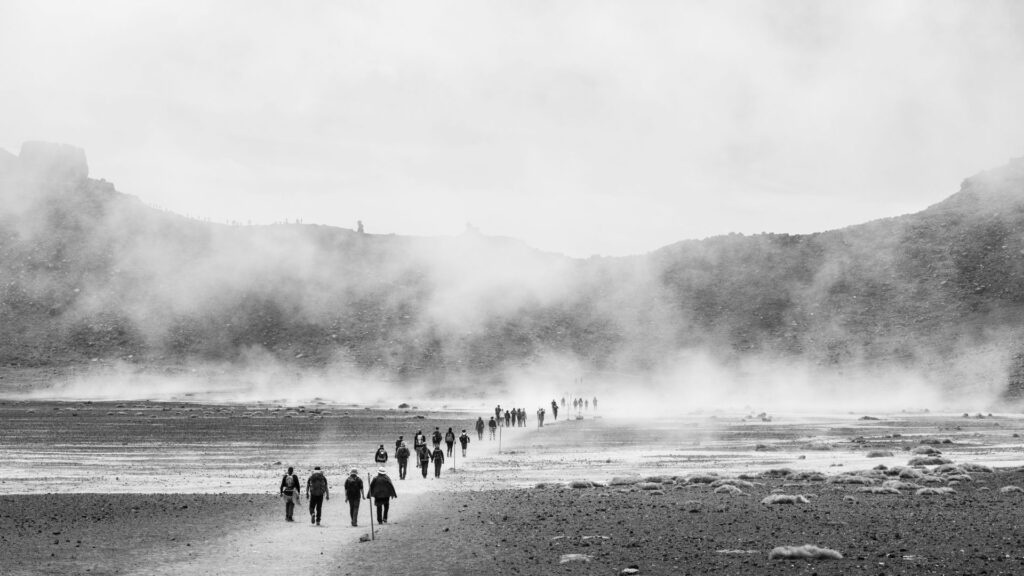
Findings from Panama suggest people used the land bridge as a pathway while moving between continents more than 10,000 years ago. Fossils and human remains found in the region show that travel didn’t happen in isolation, since humans shared the ground with predators and large mammals. So the bridge acted as both a route and a habitat. The evidence gives researchers clues about how early groups spread through the Americas while facing the wildlife around them.
Earlier Human Footprints

Archaeologists studying Panama’s ancient terrain found traces suggesting people reached the region earlier than once believed. Layers of sediment and fossilized remains point to a human presence that may predate other known settlements in the Americas. Evidence from nearby sites shows early travelers lived among Ice Age animals and adapted to shifting climates. Researchers continue to analyze soil samples and tools to understand how these first groups moved across the forming land bridge.
Fossil Layers of the Land Bridge

Excavations in Panama revealed stacked layers of fossils that trace millions of years of change. Each layer holds remains of animals that once crossed between continents, showing how habitats evolved. Sediments contain traces of marine life, land mammals, and early plant growth, marking shifts in the environment as the land bridge formed. Researchers studying these layers can see how Earth’s slow movements built the path that linked two ancient ecosystems.
Ancient Ocean Pathways Beneath Panama

Before the land bridge connected the continents, ocean currents flowed freely between the Pacific and Atlantic. Marine fossils found deep beneath Panama show how sea life once thrived in the open passage. Gradual uplift closed the seaway and changed global circulation, cooling some regions and warming others. The evidence preserved in these underwater layers shows how shifting geology influenced both ocean and climate long before humans arrived.
Paleontological Significance of Findings

Fossils of giant sloths, saber-toothed cats, and armored glyptodons give scientists a rare glimpse into the mix of creatures people once encountered. The discovery also helps paint a clearer picture of how ecosystems shaped human survival. So researchers can now piece together how animals influenced settlement and movement across the land bridge 10,000 years ago.
What the Discovery Means for Us Today

Unearthed fossils tell us about more than ancient beasts. They connect us to a time when humans crossed paths with animals that no longer roam the earth. So every new finding adds another piece to the bigger picture of how people moved, adapted, and survived. Researchers will keep digging, and each step forward gives us more clues about how our past shaped the way people live across the Americas today.
PetsFanatic Team
Pet Care Expert & Content Creator
Passionate about sharing knowledge and tips for better pet care. Writing about everything from pet health to training techniques.