
New State Bill Seeks to Ban Pets From Grocery Stores and Food Retail Spaces Over Hygiene Concerns
Shoppers expect grocery aisles to feel orderly and predictable, so rules around what belongs in those spaces tend to attract attention fast. West Virginia lawmakers have put that expectation under the spotlight with a new proposal tied directly to food safety and daily routines. The discussion has spread quickly because pets are increasingly appearing in public places that once had clearer boundaries.
The legislation centers on grocery stores and retail locations that sell food, which means places handling fresh and unpackaged items come into focus first. House Bill 4836 would block dogs, cats, and other animals from entering those spaces unless they qualify as registered service animals, which keeps the definition narrow and specific. The language draws a clear line between trained service animals and emotional support animals or household pets, so store managers and shoppers know what applies the moment someone walks in.
Fines anchor the proposal, starting at up to $500 for a first violation and rising to $1,000 for repeat offenses, which gives the measure real enforcement weight. Lawmakers sent the bill to the House Committee on the Judiciary, so formal debate now sits ahead. Public reaction continues to build as residents weigh personal habits against shared standards tied to food handling and public health.
Service Animal Exception Defines Store Access Rules
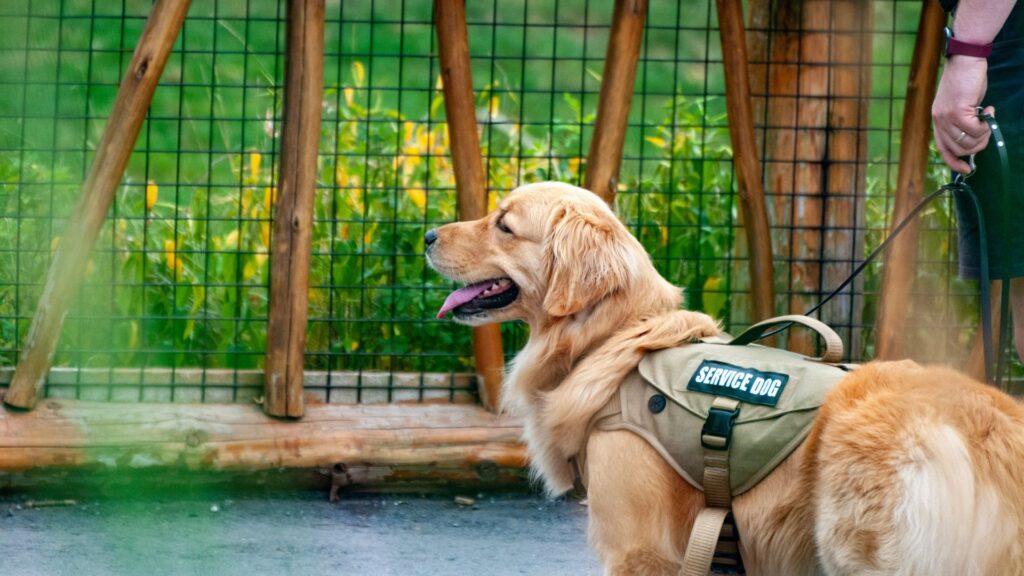
House Bill 4836 draws a clear boundary around which animals may enter grocery stores and food retail establishments, so access hinges on service animal status rather than personal preference. Lawmakers framed the exception around animals trained to perform specific tasks for people with disabilities, which keeps the definition narrow and tied to federal standards shoppers already recognize. That focus creates consistency for store employees who must respond in real time when questions arise at entrances or checkout lines.
Emotional support animals and household pets fall outside that definition, which means store access would no longer depend on signage, local custom, or informal judgment calls. Supporters of the bill argue that clear rules reduce confusion for customers and staff, since service animals remain protected and identifiable under existing law. That clarity also limits disputes inside stores where food handling occurs near aisles, counters, and refrigeration units.
Delegate Elliott Pritt introduced the bill with language that mirrors other health-related codes already on the books, so enforcement fits within familiar legal frameworks. Lawmakers emphasized that the proposal does not change service animal protections, which keeps disability access intact as the measure moves through the House Committee on the Judiciary.
Fines and Enforcement Outline How the Ban Would Work

Enforcement sits at the center of how House Bill 4836 would function day to day, so lawmakers tied compliance directly to financial penalties. A first violation would carry a fine of up to $500, so the cost lands immediately on individuals who ignore the restriction. Repeat violations would increase that amount to as much as $1,000, which signals that continued noncompliance would not remain a minor infraction.
Those penalties apply to anyone who brings a dog, cat, or other non-service animal into a grocery store or food retail establishment. Store employees would not issue citations themselves, so enforcement would fall under existing legal channels already used for other code violations. That approach keeps store staff focused on operations while placing responsibility on individuals to follow posted rules.
Lawmakers referred the bill to the House Committee on the Judiciary, so discussion now moves into formal review and potential revision. Committee consideration determines whether the fine structure remains intact or adjusts before reaching a full vote. Public feedback continues to surface as residents consider how enforcement would look inside everyday shopping spaces.
Retail Rules Extend Beyond the Store Aisle

Retailers and regulators now watch how House Bill 4836 could influence store operations beyond enforcement alone. Grocery chains may update signage, employee guidance, and entry policies so expectations stay clear before shoppers reach food aisles. That preparation shapes daily interactions, since clarity at the door reduces friction once customers move through checkout and prepared food areas.
Local health departments could also become reference points as questions arise about compliance and complaints. Clear definitions around service animals may limit disputes, which means fewer interruptions during inspections or routine visits. Over time, consistent application across counties may create uniform experiences for shoppers who move between towns for work or errands.
Public discussion has expanded past pets themselves and into how shared spaces balance comfort, access, and sanitation. Residents now weigh personal habits against common standards tied to food handling without framing the issue as anti-animal. As lawmakers review feedback, attention remains on how clearly written rules translate into everyday behavior inside stores, which leaves the outcome shaped as much by communication as by penalties. Retail routines may adapt gradually across communities.
PetsFanatic Team
Pet Care Expert & Content Creator
Passionate about sharing knowledge and tips for better pet care. Writing about everything from pet health to training techniques.