
New Horned Insect Called ‘Lucifer’ Bee Stuns Scientists

A tiny bee from Western Australia has jumped into the spotlight with a look that’s hard to forget. Researchers found a native species with small upward horns that give it a bold charm. The team studying local wildflowers spotted the insect during fieldwork, then confirmed through DNA tests that it stood apart from known species. The name “Lucifer” came later, inspired by a TV show playing in the background during the write-up.
Discovery of Megachile Lucifer
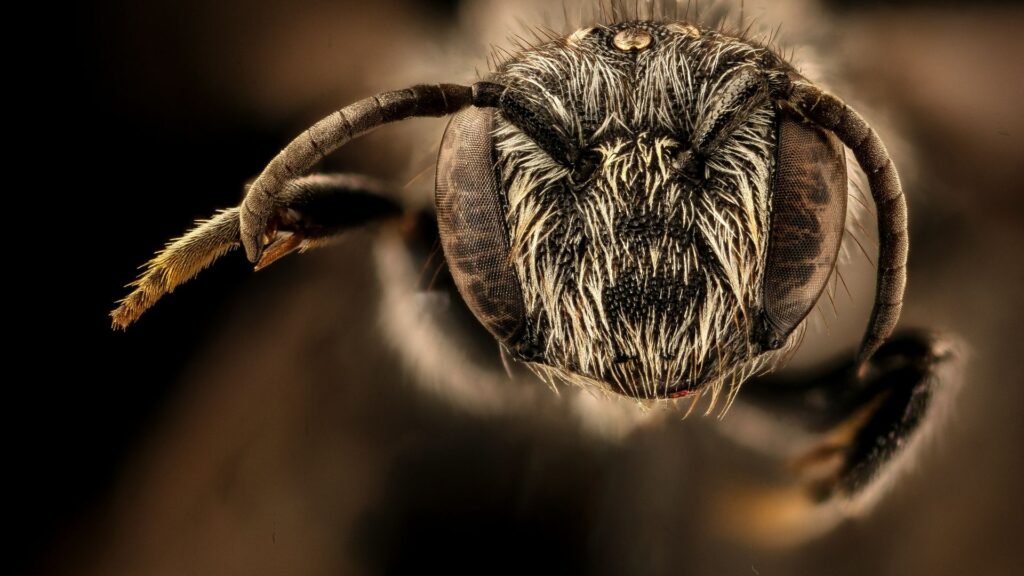
Researchers in Western Australia came across a bee that stood out during a survey of a rare wildflower, so the finding drew quick interest. The team gathered samples and started sorting through details that hinted they had something new in hand. A closer review showed the features didn’t match bees already in the records. A follow-up DNA test backed that up, and the group realized they had identified a species that hadn’t been named before.
Field Survey in Western Australia

Researchers surveyed a critically endangered wildflower in the Goldfields region, and the work put them in the exact spot where the bee turned up. The team moved through the area to document plants and insects, so they collected samples that stood out. The setting offered a clear look at native species that rarely get studied. The bee appeared during routine field checks, and the group realized they needed to take a closer look at what they found.
Horn Features on Female Bees

Female bees in the newly identified species carry small upward horns on their faces, and the look instantly sets them apart. Each horn measures under a millimeter, so the detail is easy to miss until you get close. Researchers pointed out that the structure might help with flowers or nest defense, but they still need more study to know for sure. Male bees don’t have the horns, and that contrast helped the team sort out features during identification.
DNA Testing Confirms a New Species

Researchers sent the samples for DNA testing, and the results confirmed that the bee didn’t match anything in existing records. The group had suspected they had found something new, so the confirmation gave them a clearer path forward. The test showed a clean distinction from other species in the same group. Scientists noted that no new member of this group had been named in more than twenty years, and the finding added fresh data to their research.
How Researchers Chose the Name

Lead author Kit Prendergast explained that the name came together in a simple moment, and it started when she worked on the species description at home. She had the show “Lucifer” playing in the background, so the idea lined up with the bee’s small horns and distinct look. The fit felt natural to her, and the name stayed. Researchers noted that the feature made the species easy to talk about, and it helped highlight the find.
Possible Functions of the Horns

Researchers pointed out that the horns might help the bee reach deeper parts of flowers, so the structure could support feeding. The horns also might give the insect an edge when competing with others for resources. Some scientists suggested that the feature could help with nest defense, and that idea came from how the horns sit on the face. The team still needs more study, and the exact purpose hasn’t been confirmed.
Conservation Concerns for Native Bees

Researchers warned that many native bees in Australia face growing pressure from habitat disturbance, so the need for closer study keeps coming up in their work. The team noted that climate change can add risks, and the impact reaches species that haven’t been fully documented yet. Australia has thousands of native bees, and many still wait for formal naming. Scientists explained that limited data makes it hard to track their status, and stronger protection could help support future research.
Call for Stronger Protection Measures

Researchers in Australia noted that native bees need stronger protection, and they pointed to habitat loss as a major pressure. Some experts urged authorities to update policies so species at risk can get better support. The conversation also included concerns about fire patterns that harm bee habitats. Scientists encouraged people to pay attention to native bees in their area, and they shared that simple awareness can help move conservation efforts forward.
Why Paying Attention to Native Bees Matters

People across Australia can spot native bees in their own neighborhoods, and it’s a simple way to stay connected to local wildlife. Small steps like watching gardens and nearby parks can help build awareness. Researchers hope that more eyes on the ground can support ongoing studies. The discovery of the “Lucifer” bee shows how much there still is to learn, and staying curious keeps interest in these species moving forward.
PetsFanatic Team
Pet Care Expert & Content Creator
Passionate about sharing knowledge and tips for better pet care. Writing about everything from pet health to training techniques.