
NASA says 3I/ATLAS is defying expectations and accelerating without gravity

Something unexpected is passing quietly through the solar system, and NASA says its motion refuses to behave. Astronomers watching 3I/ATLAS noticed subtle changes in speed that gravity can’t fully explain, so attention has turned to what else could be pushing it along. As observations continued, the object began to look less mysterious and more familiar, like a comet acting under pressure. That pressure appears tied to sunlight, heating, and escaping gas, nudging the traveler onward.
Non-Gravitational Acceleration Raises New Questions

NASA tracking shows 3I/ATLAS gaining speed in ways gravity can’t fully account for, so analysts looked closer at how comets behave near the Sun. As sunlight heats the icy surface, gases escape and create a gentle thrust, which then alters velocity along its path. That behavior matches measurements taken near perihelion and aligns with known comet physics, leading researchers to frame the motion as consistent with natural comet processes.
How Scientists Measured the Unexpected Motion

NASA teams traced the motion using repeated position checks gathered across ground telescopes and space observatories, then compared those points against gravity-only models. As the comet approached the Sun, tiny deviations appeared in its predicted path, so analysts folded in speed changes measured near perihelion. That comparison showed extra acceleration aligned with the Sun, which then guided scientists toward physical processes tied to heating and gas release.
Why Outgassing Fits the Observed Data

As 3I/ATLAS moved closer to the Sun, surface ice began heating and turning directly into gas, so that release created a steady push opposite the Sun. That behavior matches how known comets behave once sunlight reaches volatile material. As gas escaped unevenly across the surface, small thrusts accumulated over time, which explains the measured acceleration without relying on gravity to account for every change in motion.
Radiation Pressure Theories Lose Support

Early speculation pointed toward sunlight pressure pushing 3I/ATLAS, yet continued tracking tied its motion more closely to familiar comet behavior as telescopes documented a growing coma and ongoing gas release, explanations centered on physical material leaving the surface. That evidence aligned with measured acceleration vectors, since radiation pressure alone would require unusual shapes or densities that observations have not shown in images or motion data.
Volatile Gases Driving the Acceleration

Heating near the Sun triggers carbon monoxide and carbon dioxide trapped within the nucleus, so those gases escape first and generate steady thrust. As sublimation continues, uneven vents create directional forces that align with observed acceleration. Along that path, water vapor appears as the comet warms further, reinforcing the pattern already measured. Each release adds momentum in small increments, which matches the gradual changes NASA instruments continue to record.
Water Release Confirms Comet Activity

Radio observations began detecting hydroxyl molecules surrounding 3I ATLAS, so attention turned toward water breaking apart under solar heating. As those signals appeared, they aligned with the comet’s recent pass near the Sun and with a visibly active coma. That sequence matches how icy nuclei behave when warming increases, since water vapor follows earlier gas release and continues feeding the faint cloud now measured around the object.
What Makes 3I/ATLAS an Interstellar Object

Astronomers flagged 3I/ATLAS as interstellar once its speed and path showed no sign of the Sun holding it in orbit, so calculations focused on whether gravity could ever capture it. As tracking continued, the comet’s motion stayed consistent with an object arriving from beyond the solar system. That conclusion strengthened as its inbound and outbound speeds matched, which signals a brief pass through rather than a return visit.
Why Astronomers Continue Tracking Its Path
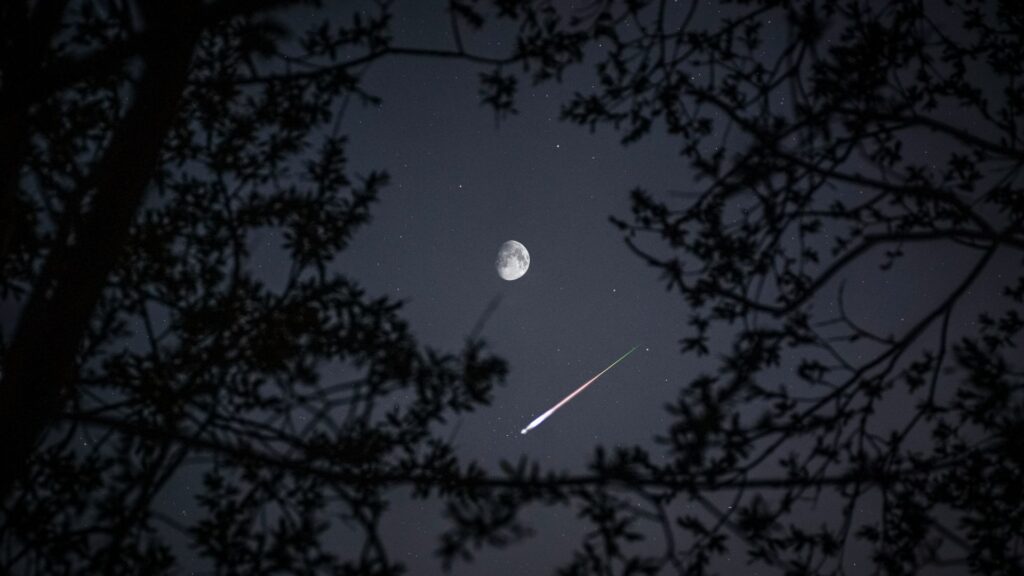
Astronomers continue following 3I/ATLAS as it moves away from the Sun, since each new position reading tightens estimates of its speed and direction. As the comet fades, tracking helps confirm how acceleration changes once heating declines. That ongoing data also refines models used for future interstellar visitors, because motion after perihelion shows how material loss tapers off while the object exits the solar system.
What 3I/ATLAS Reveals as It Leaves the Solar System

What lingers with 3I ATLAS is how familiar physics explains behavior that first looked unusual, so attention now stays on how well those explanations hold as the comet fades. Because of that, every new data point sharpens how scientists read acceleration beyond gravity. That clarity then feeds expectations for the next interstellar visitor, which means future detections may feel less surprising and far more predictable in turn.
PetsFanatic Team
Pet Care Expert & Content Creator
Passionate about sharing knowledge and tips for better pet care. Writing about everything from pet health to training techniques.