
Moon Astronauts Enter Strict Quarantine Ahead of NASA’s Historic Return to the Moon

NASA is approaching a milestone moment in modern space exploration. As preparations intensify for Artemis 2, the mission marks a critical step toward returning humans to the Moon and pushing farther into space than ever before.
Artemis 2 and a New Chapter in Spaceflight

Artemis 2 is designed to send a crew of four astronauts on a deep space journey that will take them beyond the Moon and back, testing systems and procedures needed for future lunar landings. The mission represents the first crewed voyage in NASA’s Artemis program, laying the groundwork for sustained human presence beyond Earth orbit.
How Far the Crew Will Travel

During the mission, the astronauts will travel past the far side of the Moon, reaching the most distant point from Earth ever achieved by humans. At closest approach, the spacecraft will pass roughly 4,600 miles from the lunar surface, offering rare and uninterrupted views of regions never seen directly by crewed missions.
Why Quarantine Is Essential

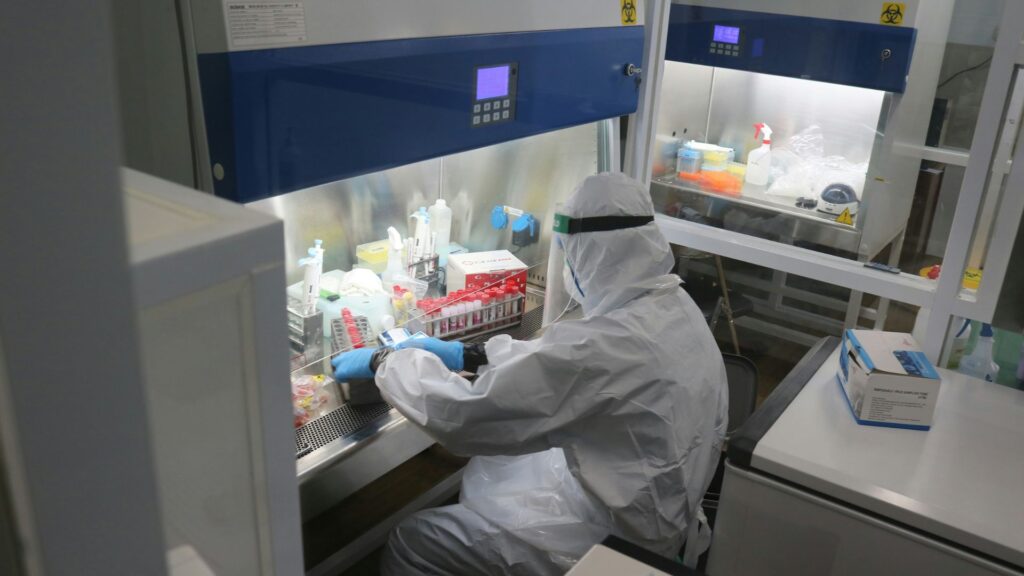
Ahead of launch, the astronauts have entered a strict quarantine period, a long-standing protocol intended to protect crew health before extended missions. Limiting exposure reduces the risk of illness that could delay launch or compromise safety once the mission is underway.
Inside NASA’s Health Stabilization Program
This quarantine phase, known as the health stabilization program, typically begins about two weeks before liftoff. According to NASA, starting the process early helps preserve scheduling flexibility while teams finalize preparations and evaluate potential launch windows.
Staying Connected While Isolated
Although movement is restricted, astronauts are still permitted limited contact with close family and friends. These interactions must follow strict guidelines, including avoiding public spaces, wearing masks, and maintaining physical distance, ensuring emotional support without increasing health risks.
Preparing Through Wet Dress Rehearsal

Before launch, NASA will conduct a full wet dress rehearsal, simulating every step of countdown and liftoff while the crew remains in quarantine. This test allows engineers to verify that all systems perform as expected under real launch conditions.
Launch Timing and Readiness

If preparations continue smoothly, the Space Launch System rocket could lift off as early as February 6, although NASA has not confirmed a final date. The schedule remains dependent on technical checks, weather conditions, and mission readiness reviews.
Kennedy Space Center Takes Center Stage

The powerful SLS rocket has already been rolled out to Launch Complex 39B at Kennedy Space Center, paired with the Orion spacecraft that will carry the astronauts. This iconic launch site adds historical weight to a mission that echoes the legacy of Apollo.
Why Artemis 2 Matters

NASA leaders describe Artemis 2 as a defining step for human exploration, pushing crews farther from Earth than ever before. The mission will provide critical data and operational experience needed to support future lunar landings and long-duration missions.
Looking Ahead to Artemis 3

Following Artemis 2, NASA aims to move forward with Artemis 3, a mission that could return astronauts to the lunar surface for the first time since 1972. Key decisions remain, including selecting the spacecraft that will transport crews from lunar orbit to the Moon itself, shaping the next era of exploration.
PetsFanatic Team
Pet Care Expert & Content Creator
Passionate about sharing knowledge and tips for better pet care. Writing about everything from pet health to training techniques.