
Scientists Call ‘Melt Pond’ on Arctic Glacier a Warning Sign

Something strange caught scientists’ attention on an Alaskan glacier last summer. NASA’s satellites captured images that had researchers doing double-takes. What they saw wasn’t supposed to be there. The Arctic is changing faster than textbooks predicted, and glaciers are showing signs that weren’t expected for decades. When veteran researchers say they’re seeing things they’ve never witnessed before, people start paying attention.
NASA’s High-Altitude Discovery Over Alaska
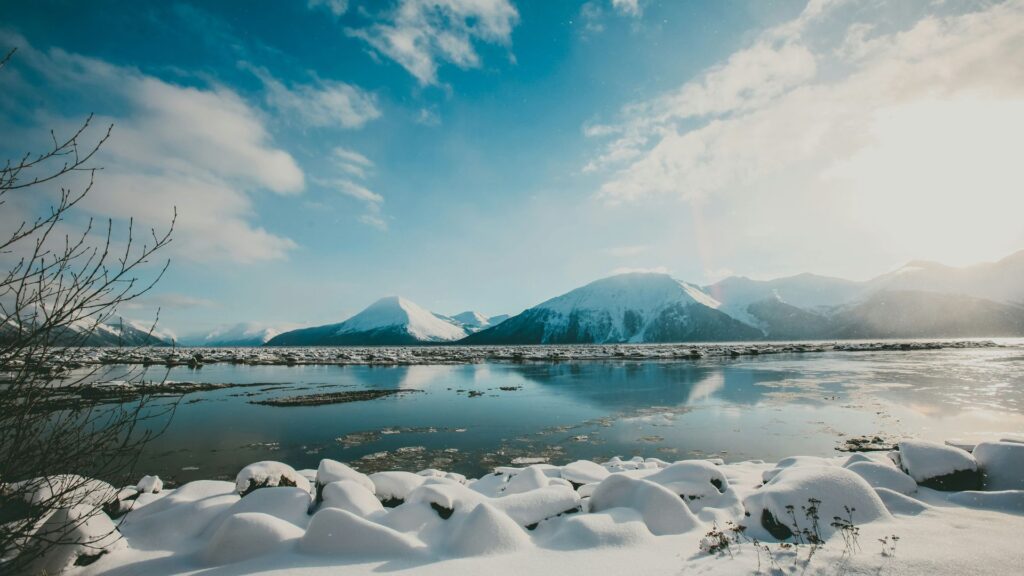
NASA’s ER-2 research plane was flying at 64,000 feet when it spotted something unusual below. That’s twice as high as your typical commercial flight, so the view was spectacular. The plane’s MABEL instrument was surveying Arctic melt ponds across Alaska in July 2014 when it captured hundreds of photos. But one image stood out. Scientists saw a massive pool of water sitting on a southeastern Alaskan glacier, and it was unlike anything they’d documented before.
The Massive Blue Pool Standing Alone

Here’s what made scientists take notice. The pond stretched 2,300 feet across, about the size of three football fields. Hundreds of tiny icebergs floated on its surface like scattered toys in a bathtub. But what really puzzled researchers was its isolation. Melt ponds usually cluster together, yet this one sat completely alone, surrounded by nothing but white snow for miles. Scientists still can’t explain why it grew so large all by itself.
Why Melt Ponds Glow Turquoise Blue
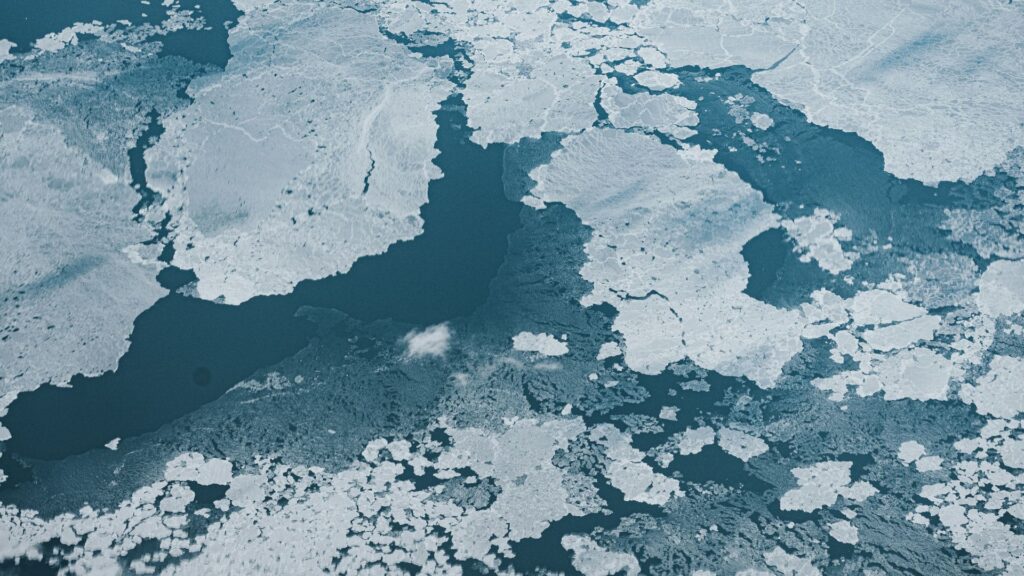
That stunning Caribbean blue color isn’t what you’d expect in the Arctic, right? Well, it’s actually the ice underneath doing all the work. When sunlight hits the water, the ice below absorbs certain wavelengths and reflects that gorgeous turquoise. The color makes these pools look incredibly deep, but that’s just an optical illusion. Most Arctic melt ponds are only about nine inches deep. So while they look like swimming pools, you’d barely get your ankles wet.
Dark Water Absorbs More Sunlight Than White Ice

The color difference between ice and water has serious consequences for Arctic warming. White ice naturally reflects most sunlight into space, helping maintain cooler temperatures. Dark blue melt ponds work differently. They absorb far more solar energy, warming the surrounding ice and accelerating the melting process. Each new pond that forms increases heat absorption, which creates more melting and more ponds. Scientists recognize this feedback loop as a major driver of Arctic ice loss.
Predicting Arctic Sea Ice Minimum

Scientists have found that counting melt ponds in early summer gives them a pretty good idea of what’s coming. The more ponds that appear, the less ice they’ll see by September, when Arctic sea ice reaches its smallest extent for the year. So these blue pools actually serve as an early warning system. Researchers track them closely because the data helps forecast how much ice coverage will remain at the end of the melt season.
Feedback Loops Accelerating Ice Loss

Melt ponds trigger chain reactions that scientists cannot reverse. Warmer water erodes ice from above and below, creating deeper depressions that collect additional meltwater. As ponds expand, they connect with neighboring pools and form extensive water networks across the glacier surface.
Each connected pond accelerates melting in surrounding areas. The process amplifies itself continuously, explaining why Arctic ice disappears faster than climate models originally predicted. Scientists now factor these feedback mechanisms into their projections.
Current Knowledge Gaps in Melt Pond Research

Scientists admit they still don’t have enough data about melt ponds. A 2023 review found that observations remain limited, creating uncertainty about when and where these pools form.
Researchers also lack information about seasonal patterns and regional variations across the Arctic. Without comprehensive data, accurate predictions become difficult. Scientists need to understand formation triggers, growth rates, and connection patterns between ponds. Current monitoring systems just can’t capture the full scope of melt pond activity across vast Arctic regions.
Artificial Intelligence for Arctic Monitoring
Researchers now turn to artificial intelligence to make tracking ice changes quicker and more detailed. The system can scan images, flag patterns, and sort through data faster than people working by hand. So scientists just get a clearer picture right away and can adjust field work with less delay. The tools also keep learning as more information comes in, which makes the monitoring stronger each season and helps researchers keep up with shifting ice conditions.
Keeping Watch on the Ice

Scientists keep watching the Arctic because every shift tells them more about how glaciers respond to rising temperatures. A melt pond can look like a lake at first glance, but it carries data that helps map what comes next. So researchers continue checking satellite views, running field studies, and using new tools to track changes. Keeping that steady watch gives them a better chance of spotting the next sign sooner rather than later.\
PetsFanatic Team
Pet Care Expert & Content Creator
Passionate about sharing knowledge and tips for better pet care. Writing about everything from pet health to training techniques.