
Massive Seaweed Belt Stretching from Africa to the Caribbean is Changing The Ocean

A giant stretch of seaweed now runs across the Atlantic, drifting from the coast of Africa all the way to the Caribbean. Called the Great Atlantic Sargassum Belt, it floats on the surface like a moving mat that shifts with the currents. The belt creates a floating home for fish, crabs, and other creatures, but it also washes ashore in huge amounts. Locals see it pile onto beaches, changing the water and the shoreline.
Massive Seaweed Belt Overview
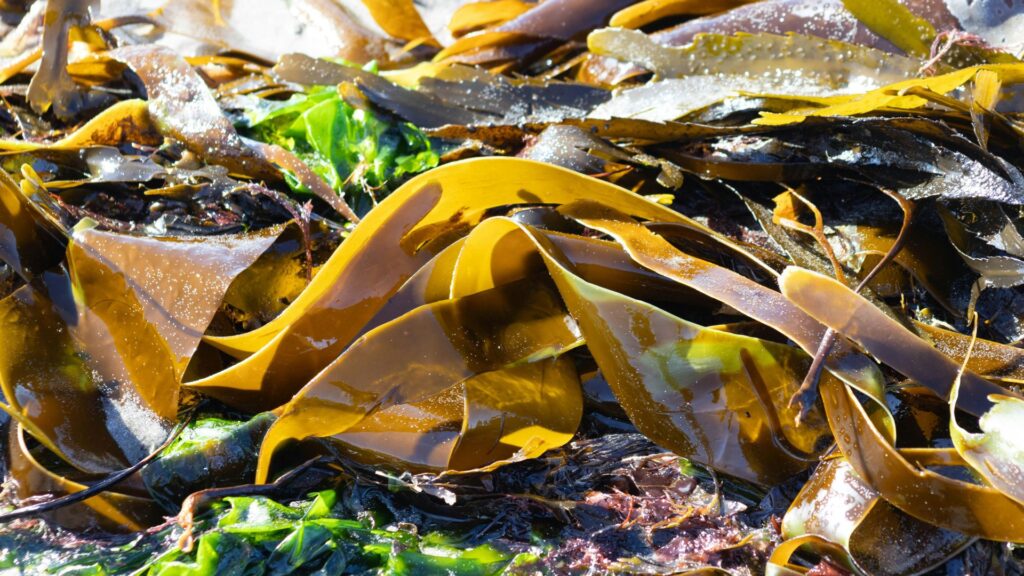
A huge stretch of sargassum seaweed has formed in the Atlantic, running thousands of miles from Africa to the Caribbean. It floats in the water like a drifting blanket, moving with the currents and growing as conditions change. Scientists track it each year because the belt shifts in size and location. It’s so big that satellites can spot it from space, and communities along the coast feel its impact when it reaches their shores.
Geographic Extent from Africa to the Caribbean

The Great Atlantic Sargassum Belt stretches thousands of miles, starting near the coast of West Africa and reaching across the ocean to the Caribbean. It drifts with the currents, so its shape and size shift from season to season. The belt covers such a wide area that satellites can track its movements in real time. Coastal towns and islands also notice it firsthand when huge amounts of seaweed arrive along their beaches and shorelines.
Origins and Growth of Seaweed Bloom

Sargassum in the Atlantic gets its start from nutrient-rich waters near West Africa. When conditions line up, the seaweed grows quickly and spreads across the ocean. Warmer temperatures and river runoff add fuel, so the bloom just keeps expanding. Ocean currents carry the mass westward, linking Africa and the Caribbean in one massive belt. Scientists keep an eye on its growth each year since the size of the bloom shifts with changes in climate and water flow.
Effects on Marine Ecosystems

The seaweed belt acts like a moving habitat, so fish, crabs, and turtles find shelter and food in the floating mats. Birds also gather where the seaweed collects because it attracts prey. When too much piles up near shore, oxygen in the water drops, and that can harm marine life. Coral reefs and seagrass beds feel the weight when thick layers block sunlight. The belt just keeps shifting, so ecosystems adjust as the bloom grows and drifts.
Impact on Coastal Communities

When the seaweed reaches shore, it piles up fast, so beaches can get covered in thick layers. Tourists sometimes stay away, and that affects local businesses that depend on visitors. The seaweed also gives off a strong smell as it breaks down, making daily life harder for people living nearby. At the same time, cleanup costs add up for towns trying to keep beaches clear. Communities just keep adjusting each season as the massive belt drifts in.
Challenges for Fisheries and Tourism

Fishing boats can get stuck when thick mats of seaweed clog nets and engines, so crews lose time and catch less. Hotels and resorts also feel the hit when piles of sargassum cover beaches that visitors expect to enjoy. Tourists just choose other spots, and that cuts into local income. Cleanup is constant, and it costs a lot for coastal towns. Fisheries and tourism industries both keep looking for ways to handle the seaweed season after season.
Scientific Monitoring and Research

Scientists track the seaweed belt using satellites, so they can see how it shifts and grows across the Atlantic. They also collect samples in the water to study what fuels the bloom and how it changes over time. Research teams just keep updating forecasts so coastal areas know what’s coming. The work also helps uncover connections between the bloom, climate patterns, and river runoff, giving communities and industries more insight into what drives the massive growth.
Environmental and Climate Implications
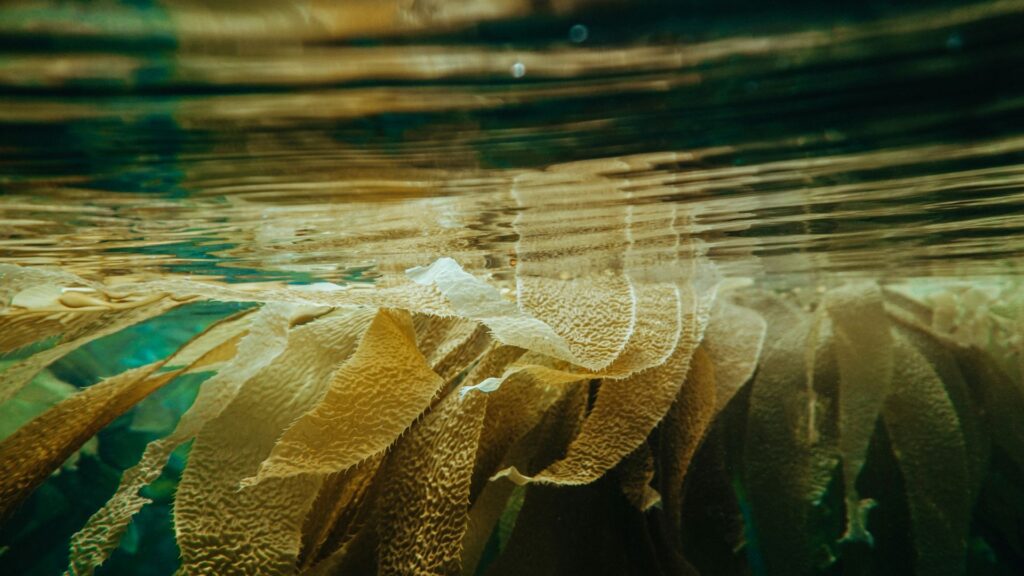
The massive seaweed belt links directly to shifts in climate, so warmer waters and heavy river runoff just help it spread faster. Scientists also see it as a signal of how changing oceans affect life across regions. The floating mats trap carbon while they grow, but once they pile onto beaches, they break down and release gases back into the air. The connection to both climate and ecosystems makes the bloom something researchers keep tracking every year.
What Comes Next for the Seaweed Belt

The Great Atlantic Sargassum Belt keeps moving and changing, so scientists and communities will keep watching it closely. Coastal towns are already adjusting to its arrival each year, and research continues to track its growth across the ocean. The seaweed shows how connected oceans and coastlines are, from Africa to the Caribbean. Paying attention to these shifts helps everyone prepare for what’s ahead and understand the way the ocean keeps reshaping itself over time.
PetsFanatic Team
Pet Care Expert & Content Creator
Passionate about sharing knowledge and tips for better pet care. Writing about everything from pet health to training techniques.