
Humans Traveled 31,000 Feet Below the Ocean’s Surface and Found a Hidden World

Scientists recently reached 31,000 feet below the ocean’s surface. The journey revealed a world no one had seen before. Strange creatures floated in the darkness, moving in ways that felt almost alien. The team recorded images and collected samples to study back on the surface. Pressure, cold, and total darkness surround everything at these depths. Each discovery adds a new piece to our understanding of life in the deep ocean.
Chinese Fendouzhe Submersible Reaches 31,000 Feet Deep

The Chinese submersible Fendouzhe recently descended 31,000 feet into the ocean, exploring areas few humans have ever seen. The crew captured footage of strange marine life and unusual formations along the deep-sea floor. They also collected samples to study back on the surface. Conditions at this depth are intense, with extreme pressure and complete darkness surrounding the submersible. Every observation offers new insights into life far below the waves.
Kuril-Kamchatka Trenches Host Dense Tubeworm Colonies

Explorers spotted thick colonies of tubeworms in the Kuril-Kamchatka trenches, so dense they almost cover the seafloor. The worms cluster around hydrothermal vents, creating small ecosystems that support other strange deep-sea life. The team also noticed bacteria and tiny creatures living alongside the worms. Cameras captured detailed images, showing patterns and movements rarely seen. Observing these colonies helps scientists understand how life survives in such extreme, isolated environments far below the ocean’s surface.
Chemosynthesis Powers Life Without Sunlight Energy

Deep-sea creatures rely on chemosynthesis to survive where sunlight can’t reach. Bacteria around hydrothermal vents convert chemicals into energy, so worms and other animals can thrive. The submersible also captured shrimp and crabs feeding near these vents. Scientists recorded how ecosystems form around these chemical sources. Observing life here shows how organisms adapt in total darkness and extreme pressure, offering a glimpse at a system that runs entirely without the sun’s energy.
Hadal Zone Communities Thrive in Extreme Pressure
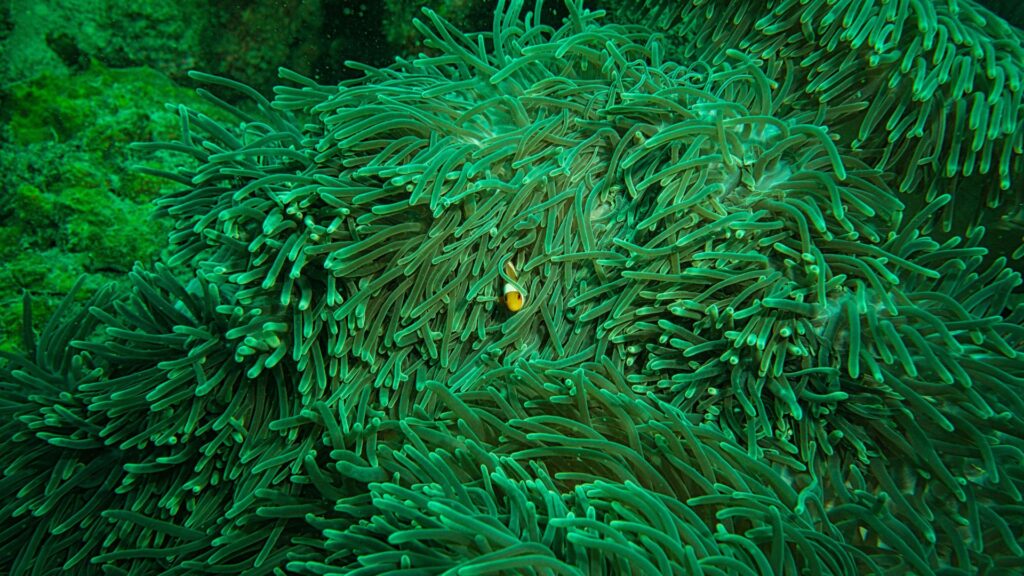
Life in the hadal zone survives under extreme pressure, so organisms here have unique adaptations. Worms, shrimp, and other creatures cluster near vents, feeding on chemicals released from the seafloor. The submersible also recorded tiny organisms moving through sediment, showing how ecosystems interact even in darkness. Cameras captured their movements up close, giving scientists a rare view of life deep below. Observing these communities helps explain how animals thrive in a place humans rarely visit.
Bivalve Mollusks Form Massive Seafloor Clusters

Bivalve mollusks cover large areas of the seafloor so densely that they form living carpets across the deep ocean. The submersible also captured shrimp and small fish moving through these clusters, showing how life interacts around them. Cameras recorded their shells glinting in the dim light, revealing intricate patterns and textures. Scientists collected samples to study how these mollusks survive in total darkness and extreme pressure, offering a closer look at deep-sea ecosystems rarely seen by humans.
Methane Seeps Feed Chemical-Reaction Ecosystems

Methane seeps release chemicals that feed entire ecosystems, so life can thrive without sunlight. Tubeworms, clams, and bacteria cluster around these vents, forming communities just meters apart. The submersible also recorded crabs and shrimp scavenging near the seeps. Cameras captured glowing bacterial mats and the subtle movement of animals feeding. Observing these areas shows how life adapts to chemical energy in the deep ocean, giving scientists a rare window into an invisible, active world far below the surface.
Humans Have Explored Only 0.001% of the Deep Seafloor

Humans have seen just a tiny fraction of the deep seafloor, so much of it remains completely unknown. Submersibles like Fendouzhe dive thousands of feet to capture images and collect samples, revealing strange creatures and unusual formations. Cameras also record tiny ecosystems forming around vents and seeps. Each dive uncovers details about life far below the surface, showing how much more there is to study. The deep ocean remains one of Earth’s least explored frontiers.
Tectonic Plate Faults Release Hydrogen Sulfide Gas

Hydrogen sulfide gas escapes from cracks along tectonic plate faults, so unique ecosystems form around these vents. Tubeworms, clams, and bacteria thrive in the chemical-rich water. The submersible also captured shrimp and small fish feeding nearby. Cameras recorded streams of gas bubbling up, highlighting how life adapts to these extreme conditions. Studying these areas shows how organisms survive without sunlight, giving scientists a rare look at chemical-driven communities deep below the ocean’s surface.
A Glimpse Into the Deep Ocean’s Hidden Life

Exploring 31,000 feet below the surface revealed creatures and ecosystems few have ever seen. Scientists captured images and collected samples that show how life thrives in total darkness. Tubeworms, mollusks, and bacteria all create vibrant communities around vents and seeps. Each dive adds details about the deep ocean’s complexity. Observing these environments encourages curiosity and continued exploration, showing that the ocean still holds countless mysteries waiting to be studied.
PetsFanatic Team
Pet Care Expert & Content Creator
Passionate about sharing knowledge and tips for better pet care. Writing about everything from pet health to training techniques.