
Gray Whales Acting Strange Along West Coast Leave Experts Alarmed

Scientists and coastal communities are tracking worrying signs among eastern North Pacific gray whales during their spring migration, from unusual feeding stops to a rise in strandings. Below is a clear, structured rewrite that summarizes the evidence, the possible causes, and why researchers remain watchful.
Unusually high strandings this season
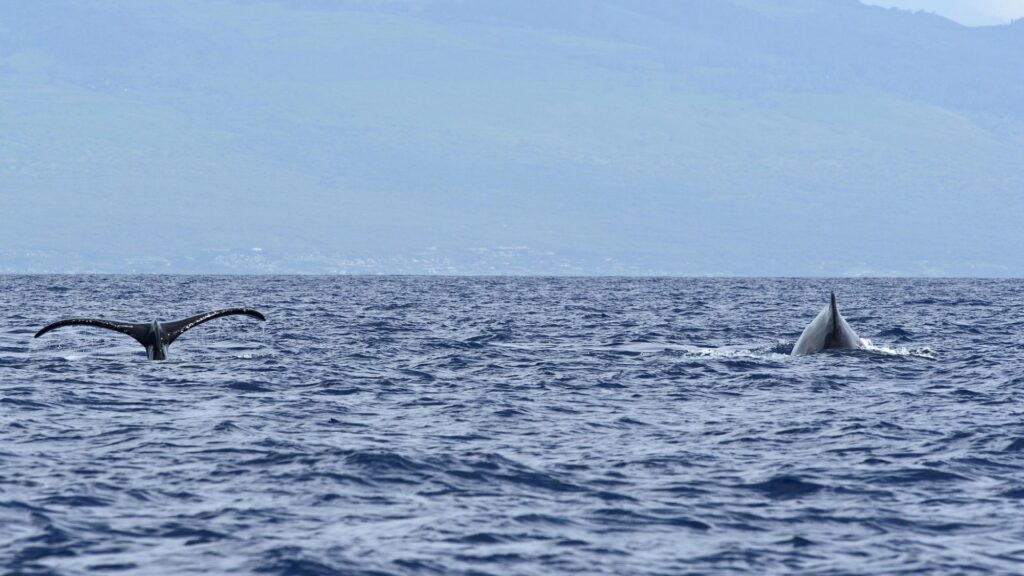
This spring, strandings of gray whales along the West Coast have exceeded typical counts in several states, with reports showing more whales washed ashore than in recent years, prompting extra monitoring by response teams.
A long, costly mortality episode

Between December 2018 and November 2023 an official Unusual Mortality Event was declared after hundreds of gray whales stranded from Mexico to Alaska, a period investigators say dramatically reduced the population.
Mortality in Baja lagoons

Scientists working in Baja California documented many deaths in the warm coastal lagoons this winter, and their field surveys also recorded far fewer newborn calves than what is normal for the region.
Counts and state-by-state totals

Federal and regional tallies from this migration show elevated strandings overall, including concentrated numbers in California, Washington and Oregon, which together have driven concern among marine managers.
Population trends and new estimates

After signs of recovery in some years, the most recent abundance estimates indicate a substantial decline, with winter 2025 counts falling to levels not seen since the 1970s, a trend that complicates hopes for a quick rebound.
Emaciation and starvation signals

Necropsies and field observations reveal many stranded whales are underweight, suggesting limited foraging success and reduced energy reserves, consistent with disruptions to their Arctic food supply.
Altered behavior along migration route

Researchers have observed groups of gray whales pausing to feed in inshore bays and harbors instead of continuing straight to Arctic feeding grounds, an unusual pattern that may reflect attempts to find accessible prey.
Local feeding groups and adaptation

Some coastal aggregations, like long-studied feeding groups near Whidbey Island, appear to be expanding or shifting, indicating behavioral flexibility but also exposing whales to new risks in busy waterways.
Human-related threats increase vulnerability

Whales lingering near ports and bays face greater chances of vessel collisions and entanglement, hazards that can turn a foraging stop into a fatal encounter for weakened animals.
Why scientists are watching closely

Taken together, the elevated strandings, fewer calves, altered movements, and lower abundance estimates point to a population under stress. Researchers emphasize the need for continued monitoring, necropsy work, and coordinated efforts to address the underlying changes affecting their ecosystem.
PetsFanatic Team
Pet Care Expert & Content Creator
Passionate about sharing knowledge and tips for better pet care. Writing about everything from pet health to training techniques.