
Florida Wildlife Officials Warn Second Case of ‘Zombie Deer Disease’ Discovered

Florida wildlife experts have confirmed a second case of “zombie deer disease,” found in a young white-tailed doe struck by a vehicle in Holmes County. The infection, known as chronic wasting disease, affects deer by damaging brain tissue and spreading through contact or the environment. Officials are stepping up testing and monitoring in nearby areas to track its reach. Hunters are being urged to stay alert as the state works to contain the outbreak.
Second Case of Zombie Deer Disease Found in Florida
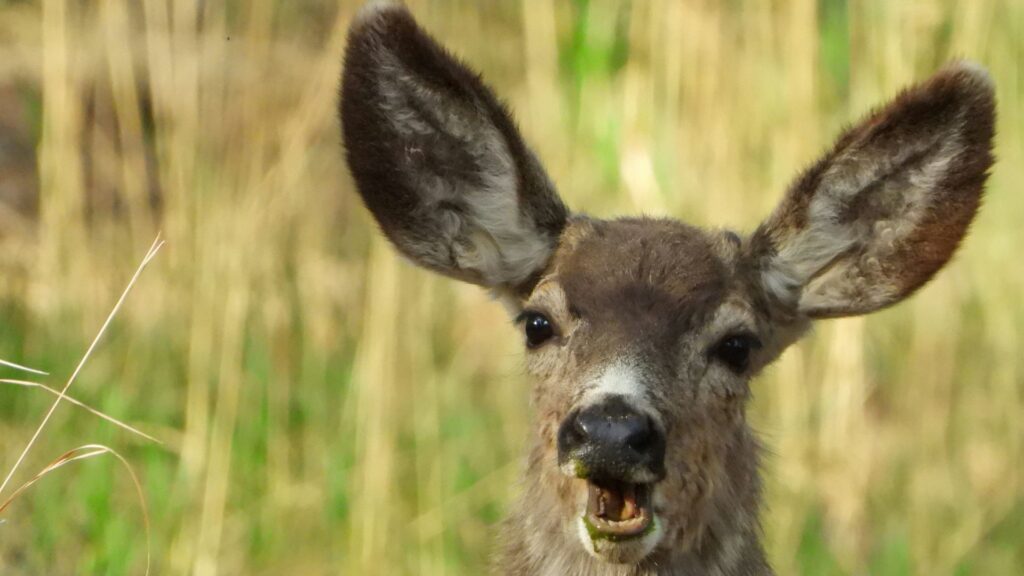
Wildlife officials in Florida confirmed a second case of “zombie deer disease” in Holmes County after a young white-tailed doe tested positive. The infection, known as chronic wasting disease, attacks the animal’s brain and causes severe symptoms over time. It’s only the second case ever found in the state, so experts are watching the area closely. The deer was discovered during routine testing, and officials are now working to keep the disease from spreading further.
How Chronic Wasting Disease Spreads Among Deer

Chronic wasting disease spreads through contact between deer and through contaminated soil or plants. It can also pass through saliva, urine, and even ticks, so stopping it isn’t simple. Infected deer often look healthy for years before showing signs, which makes it harder to detect. Once symptoms appear, they can lose weight, drool excessively, and stumble as the disease damages their brain. That’s why officials are testing more animals to catch it early.
Wildlife Officials Set Up a Management Zone

Florida’s Fish and Wildlife Conservation Commission set up a special management zone in Holmes County and nearby areas to keep a close watch on the disease. Teams are collecting samples and testing deer to track how far it’s spread. About 90 animals are already being examined. The goal is to slow down transmission and prevent it from reaching new areas, so officials can respond faster if more cases appear.
The Silent Progression of the Infection
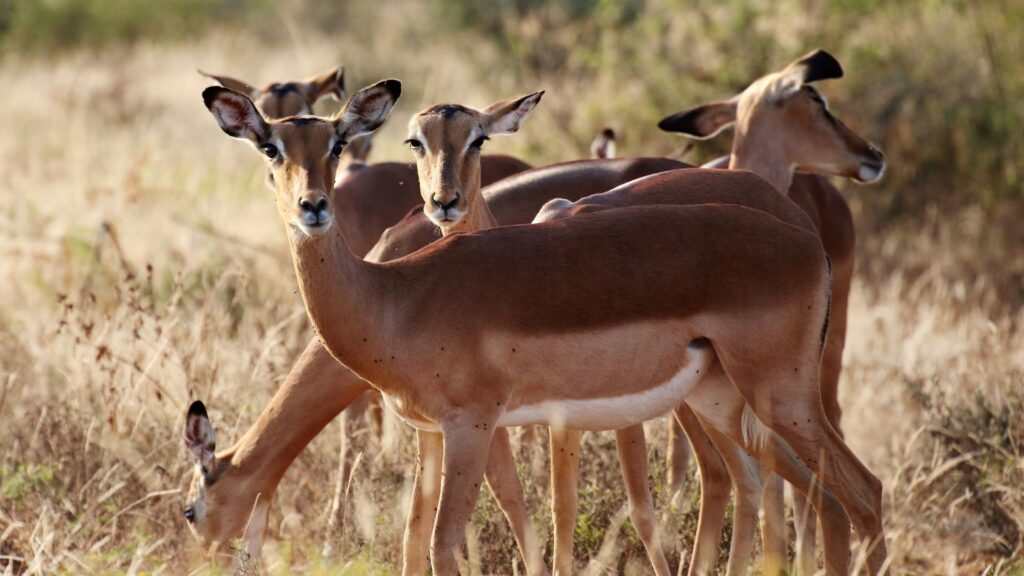
The infection progresses slowly, allowing deer to carry it for years without appearing sick. Once it reaches the brain, the animal starts losing weight, drooling, and acting disoriented. Some wander aimlessly or lose their balance. It’s often called a “silent killer” because signs don’t show up until the disease has already damaged the brain. That delay makes it harder for wildlife experts to find and test infected deer early.
Florida’s Large Deer Population Faces New Risks

Florida has around 700,000 white-tailed deer, and about 100,000 are hunted each year. The species is a favorite among hunters, so even small disease outbreaks draw attention. Wildlife experts worry that if infections spread, it could affect how the population is managed. Too many deer on the move can also mean more road accidents and crop damage, so keeping numbers steady matters for both wildlife and people living nearby.
Hunters Become a Key Part of Disease Monitoring

Hunters are helping wildlife officials track chronic wasting disease across Florida. Every harvested deer from the management zone must be checked, so each sample adds to what experts learn about the spread. Hunters send in the deer’s head for testing and wait for results before using the meat. The process keeps data flowing and helps spot new cases early. Their cooperation supports ongoing monitoring and makes the state’s response more effective.
Concerns Over the Future of Deer Hunting in Florida

Experts worry that more cases of chronic wasting disease could affect hunting across Florida. Hunters must wait for test results before using any meat, and if it’s positive, they have to throw it away. Some fear that the extra steps might cause fewer people to hunt. Fewer hunters could mean more deer on the roads and in fields, and less funding for wildlife programs that depend on hunting license revenue.
Broader Impact on Wildlife Management and Conservation

Wildlife biologists worry that fewer hunters could have a ripple effect on conservation programs across Florida. Hunting fees help fund habitat projects and research, so a drop in participation might cut resources for managing other animals too. More deer could also mean increased strain on crops and a rise in vehicle collisions. Officials are urging continued cooperation from hunters and communities so wildlife management stays effective and programs that protect many species can keep running strong.
Florida Urges Hunters and Residents to Stay Alert

Wildlife officials are keeping a close eye on the affected areas and continuing their testing efforts. Hunters are asked to report any sick or oddly behaving deer and follow testing rules in the management zone. Staying alert and following guidelines helps protect Florida’s deer population. The cooperation between hunters, residents, and wildlife experts keeps the effort strong and helps slow down the spread of chronic wasting disease across the state.
PetsFanatic Team
Pet Care Expert & Content Creator
Passionate about sharing knowledge and tips for better pet care. Writing about everything from pet health to training techniques.