
Flamingo Escapes Zoo, Flies 130 Miles with Clipped Wings, and Starts a New Life in France

Frankie, a juvenile flamingo from Paradise Park in Hayle, has become the bird everyone keeps checking in on. She left her enclosure on 2 November, and the sightings that followed sparked a mix of curiosity and practical questions. How does a clipped-wing bird travel that far? What risks come with mixing among wild flocks? Keepers now watch updates from France in real time and talk through what comes next, without rushing to a tidy ending.
Frankie’s Escape From Paradise Park

Frankie left Paradise Park Wildlife Sanctuary in Hayle on 2 November during a routine period when she had space to move and stretch. Her keepers had clipped feathers on one wing, which usually limits takeoff rather than flight itself. During that time, a strong gust lifted her into the air, so she gained height and continued on. Staff quickly realized she had gone farther than anyone expected.
How Clipped Wing Feathers Affect Flight

Clipping feathers on one wing usually limits how a bird lifts off, not how it moves once airborne. Keepers explained that the method affects balance during takeoff, so birds struggle to gain height on their own. Wind changes that equation. If a strong gust provides lift, a bird can stay in the air and travel normally. Frankie appears to have caught that kind of wind at exactly the right moment.
Search Efforts After the Escape

After Frankie disappeared, staff at Paradise Park began tracking reports instead of launching a local recovery. Sightings didn’t come from nearby areas, so attention shifted outward. Then updates placed her far beyond Cornwall. Observers in northern France shared photos and location details, which gave keepers a clearer picture of her movement. So rather than an active chase, the effort became one of monitoring and confirmation as information came in.
Sightings Confirmed In Northern France

Reports from northern France confirmed Frankie’s location days after she left Cornwall. Birdwatchers shared images and observations that matched her markings, so keepers felt confident about the identification. Those updates showed her standing, feeding, and moving normally among other birds. Staff reviewed the sightings as they came in and noted consistent details, which helped build a clear picture of where she settled and how she spent her time.
Health Risks Linked To Avian Influenza

Health concerns shape how keepers think about Frankie’s future. Time spent among wild birds raises the chance of contact with avian influenza, so any attempt to capture her would trigger strict health screening. French authorities would need to house her during that process, and few facilities would accept that situation. Staff continue to watch her condition closely and share hope that she stays healthy as she moves through open habitats.
Barriers To Returning Frankie To The UK

Returning Frankie to the UK brings layers of regulation and logistics. Any capture in France would trigger health screening under import rules, so she would need temporary housing at a French facility. That step alone creates hesitation, since she has mixed freely with wild birds. Keepers also weigh the stress of capture and transport. So for now, observation makes more sense than intervention.
Evidence Of Frankie’s Condition In The Wild
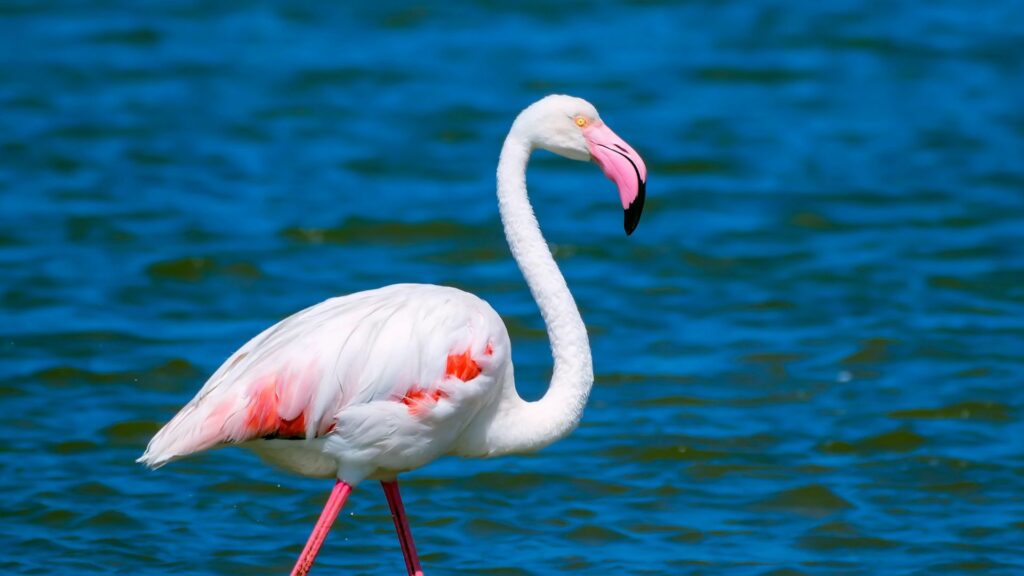
Images and reports from France give keepers a steady sense of how Frankie is doing. Observers describe her feeding normally and standing comfortably among other birds. Body posture and movement look typical for a young flamingo, so staff see no visible signs of distress. Those details matter because they show daily routines continuing as expected. Each update adds reassurance and helps keepers assess her situation from afar.
Similar Flamingo Cases Reported By Keepers
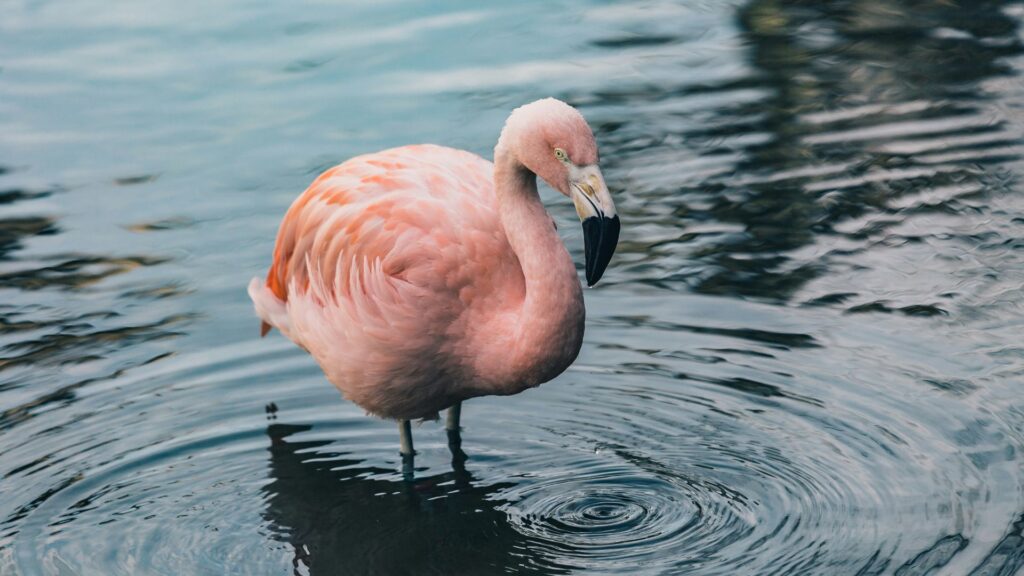
Keepers say Frankie’s situation isn’t unique. Staff have seen reports of other flamingos leaving managed settings and living successfully in open environments. Some stayed for years, even through winter conditions. Those accounts give context for what observers see now. Flamingos can adjust to new feeding grounds and routines, so long-distance movement fits known behavior. That background helps explain why staff view Frankie’s progress with steady confidence.
Watching What Happens Next

Frankie’s story keeps unfolding in real time, and updates still matter. Keepers continue checking reports, so new sightings help track how she moves and feeds. Observers in France also share details when they spot her. That steady flow of information shapes every decision ahead. For now, attention stays on her safety, her health, and how she handles daily life beyond the park.
PetsFanatic Team
Pet Care Expert & Content Creator
Passionate about sharing knowledge and tips for better pet care. Writing about everything from pet health to training techniques.