
Family Discovers 1,900-Year-Old Roman Tombstone in Their Backyard

A family in New Orleans got a shock while cleaning their backyard. Beneath a patch of weeds, they uncovered a marble slab covered in Latin text. Curious, they called in an anthropologist who soon realized it wasn’t any ordinary stone. The tablet turned out to be a 1,900-year-old Roman tombstone belonging to a sailor named Sextus Congenius Verus. What started as yard work quickly turned into a history lesson no one expected.
Family Unearths a Hidden Marble Slab

A New Orleans family got more than yard waste when they started clearing their overgrown backyard. Under layers of weeds sat a small marble slab carved with Latin words that mentioned “spirits of the dead.” It looked out of place, so they reached out for help. What began as a simple cleanup turned into an unexpected moment of wonder that pulled them straight into an ancient mystery buried right behind their home.
Experts Step In to Examine the Discovery

Anthropologist Daniella Santoro from Tulane University felt stunned when she saw the stone’s Latin inscription. She knew it wasn’t a normal backyard find, so she called her colleague, classical archaeologist Susann Lusnia. Lusnia studied the photos and recognized the markings right away. The marble slab appeared ancient and full of character, and both researchers felt an instant pull to learn where it came from and who it once belonged to.
Tombstone Identified as a Roman Artifact

Susann Lusnia looked closer at the stone and realized it told a story from ancient Rome. The Latin text named Sextus Congenius Verus is a sailor who served for more than twenty years in the imperial navy. He died at 42, and his shipmates commissioned the tablet to honor him. The discovery connected a quiet New Orleans backyard to a sailor who lived nearly two thousand years ago and once served under the Roman Empire.
Story of the Sailor Sextus Congenius Verus

Sextus Congenius Verus served more than twenty years in the Roman imperial navy on a ship named after Asclepius, the god of medicine. He died at 42, and his fellow sailors commissioned a stone to honor him. The inscription called him “well deserving,” a mark of respect among those who knew him. His story, carved into marble centuries ago, carried across oceans and time before quietly landing in a Louisiana backyard.
Tablet’s Journey Through History and War

Records showed the tablet once sat in Italy’s National Archeological Museum in Civitavecchia before World War II. The museum was heavily damaged during Allied bombing and took years to rebuild, so many artifacts went missing. Staff later confirmed the tablet had vanished decades ago. When experts compared its size and carvings to old records, everything matched perfectly, proving the small marble piece in New Orleans was the same one lost during the war.
How the Artifact Went Missing for Decades
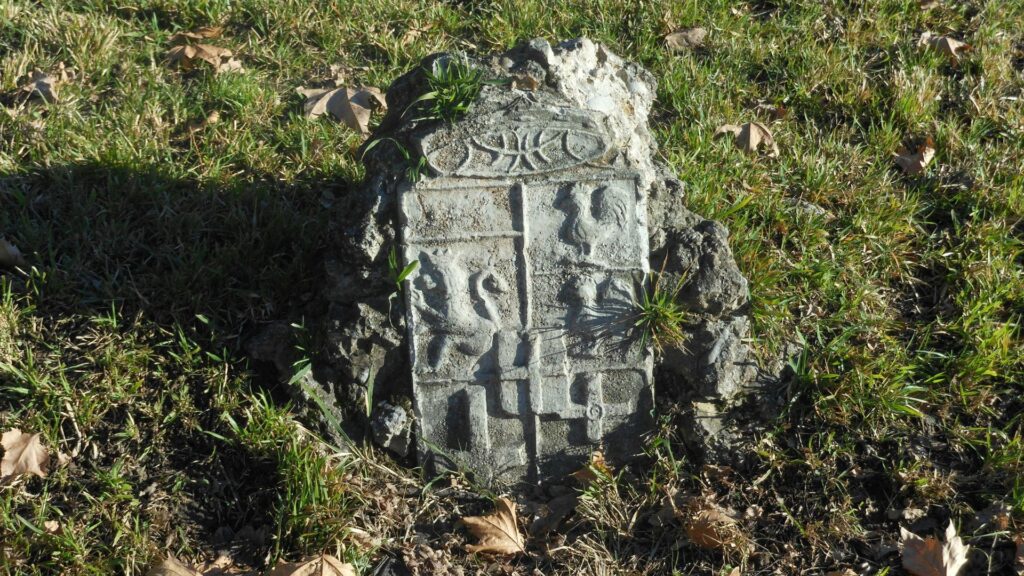
The tablet vanished sometime after World War II when the Italian museum housing it was damaged during bombings. Records stopped mentioning it, so its location stayed a mystery for decades. Experts think it was taken from Italy after the war and ended up in New Orleans through family connections. The FBI has been speaking with Italian authorities about returning it, but the process paused when the government shutdown began.
Clues Linking the Tablet to New Orleans
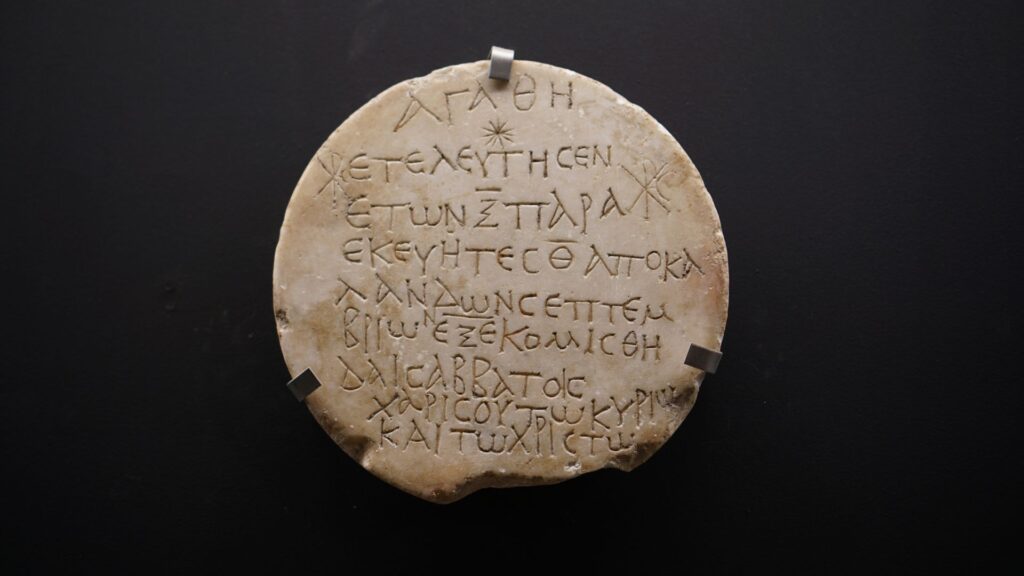
After news of the discovery spread, a woman named Erin Scott O’Brien recognized the marble slab right away. Her ex-husband called her to watch the report, and she instantly remembered it from their old home. They had treated it as a garden decoration before selling the property in 2018. She later explained that her grandparents passed it down to her, one of whom had been stationed in Italy during World War II.
A Roman Legacy Remembered After Centuries

In Roman culture, gravestones kept a person’s memory alive long after death. Sextus Congenius Verus had his story carved in stone nearly two thousand years ago, and now it’s being told again. Archaeologist Susann Lusnia said he’d probably be pleased to know people are still speaking his name. After all, that was the Roman way, to be remembered and celebrated even centuries after the last carving was made.
History Finds Its Way Home

A quiet backyard cleanup turned into a moment that connected past and present. A Roman sailor’s story resurfaced after nearly two thousand years, reminding everyone how history sometimes hides in plain sight. The marble slab, once forgotten in a garden, now carries a legacy across continents. For the family who found it, the discovery became a story to share, showing that even the smallest finds can hold centuries of meaning.
PetsFanatic Team
Pet Care Expert & Content Creator
Passionate about sharing knowledge and tips for better pet care. Writing about everything from pet health to training techniques.