
‘They’re Capable of Mourning’: Elephants Observed Burying Their Dead

Elephants in northern Bengal have surprised researchers with behavior never seen before. Five calves were found buried on their backs in the tea garden drainage ditches. Scientists believe the herds may have performed these burials themselves. The idea that Asian elephants might mourn their dead fascinates researchers, especially since the behavior had only been seen in African elephants. The findings shed light on how these animals interact with their surroundings in unexpected ways.
Calves Found Buried in Northern Bengal

Researchers in northern Bengal found five elephant calves buried on their backs in drainage ditches across tea gardens. The discovery caught everyone off guard since Asian elephants had never been known to bury their young. The study’s lead author, Akashdeep Roy, said the burials appeared deliberate, not accidental. The locations sit between forests and farmland, where elephant herds often pass through, so the ditches may have offered the perfect place for them to lay their calves to rest.
Behavior Never Seen in Asian Elephants

African elephants have been seen burying their young before, but Asian elephants hadn’t shown that behavior until now. Researchers were surprised to find the same pattern in India’s northern tea gardens. The study’s author, Akashdeep Roy, said the herds seemed to handle the bodies carefully, as if aware of what they were doing. It adds another layer to how people understand elephant behavior and how closely they may connect with their dead.
Tea Gardens Provide Unusual Burial Sites

Tea gardens in northern Bengal turned out to be unexpected resting places for the calves. The drainage ditches running through them made it easier for elephants to lower and cover the bodies with mud. Akashdeep Roy explained that elephants likely chose these spots because they offered quiet areas away from people. Forests once served as their main habitat, but herds now wander through tea estates more often, finding these areas safer for such behavior.
Elephants Growing Comfortable Around People

Elephants in northern Bengal have started moving through tea gardens and nearby farms more often than before. They once stayed deep in the forests, but human activity has changed that pattern. Akashdeep Roy said the herds seem more relaxed around people now, using trails that wind through villages and plantations. They still avoid crowded areas, so finding quiet corners within tea estates gives them a sense of safety as they travel or bury their young.
How Herds Handle Calf Burials

Researchers say elephants use their trunks and legs to move a calf’s body into a ditch before covering it with mud. Akashdeep Roy explained that it’s likely the easiest way for them to manage a burial. The animals seem deliberate in their actions, suggesting a sense of care. They choose quiet places like tea garden ditches, where herds can work undisturbed, showing how instinct and behavior come together in moments that feel deeply emotional.
Researchers Stumble Upon Rare Evidence
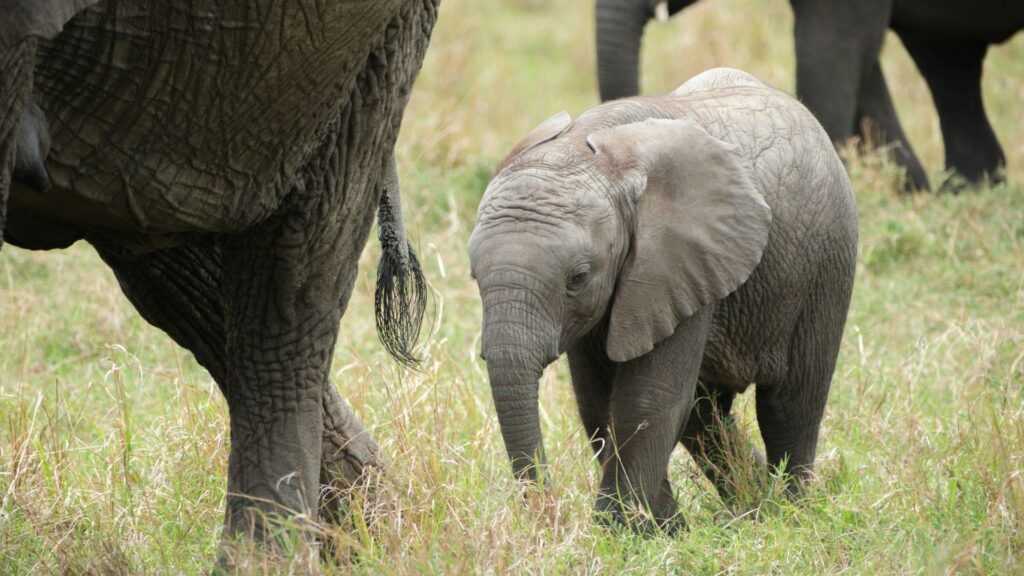
Akashdeep Roy and Parveen Kaswan weren’t searching for burials when they found them. They were in northern Bengal for another project when they noticed signs that something unusual had happened. The discovery of calves buried on their backs caught them off guard, so they documented everything they saw. Roy said the evidence felt too deliberate to ignore, sparking more questions about how deeply elephants understand life and loss within their herds.
Elephants Avoid Returning to Burial Grounds
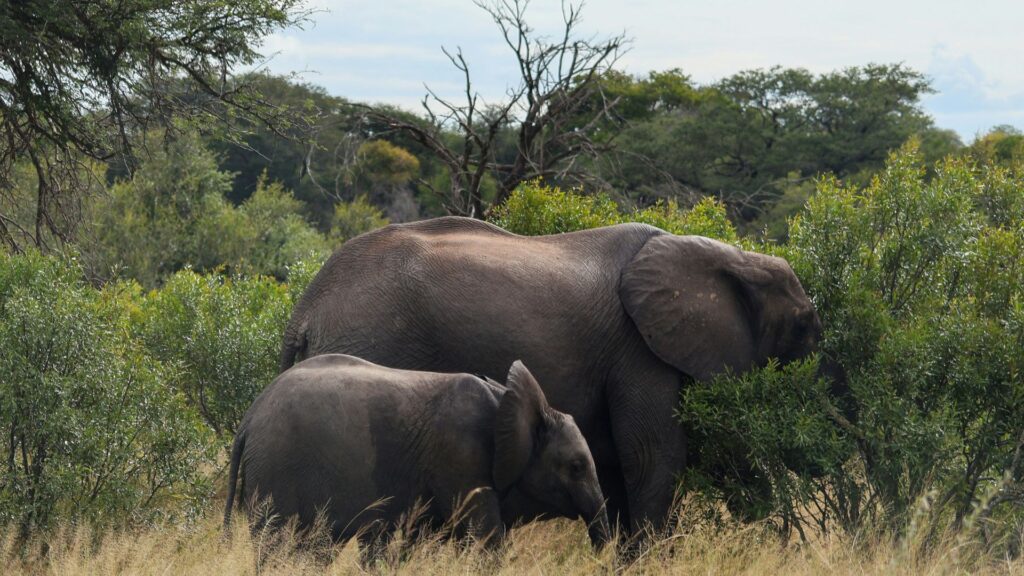
Researchers found that elephants tend to avoid the sites where they’ve buried their calves. Even when the Indian Forest Service removes the bodies, herds still steer clear of those places. Akashdeep Roy said elephants seem to sense what happened there, even if they weren’t the ones that buried the calf. The behavior adds another layer to how elephants respond to loss, suggesting they recognize and respect the places connected to death.
Experts Debate What Really Happened

Not everyone agrees that the elephants buried the calves on purpose. Joshua Plotnik, who studies elephant behavior, said the animals might have fallen into the ditches and died there, with the dirt sliding in later or being moved during a rescue attempt. He believes more direct observation is needed before drawing conclusions. Akashdeep Roy disagrees, saying marks on the calves show they were dragged and placed there intentionally by other elephants.
What Researchers Hope to Learn Next

Akashdeep Roy plans to keep tracking elephant herds in northern Bengal and Assam to see if more burials happen. He and his team will use drones and reports from tea garden workers to find new sites. Every new case helps them understand how these animals behave around death. The study also gives people another reason to look at elephants not just as giants of the forest but as emotional, thoughtful creatures.
PetsFanatic Team
Pet Care Expert & Content Creator
Passionate about sharing knowledge and tips for better pet care. Writing about everything from pet health to training techniques.