
Do Octopuses Hold the Key to Curing Cancer?

Octopuses might look like mysterious sea creatures, but scientists see them as something more. Their bodies produce unique proteins that could help with medical research. Some of those proteins show promise against cancer cells. Researchers want to understand how octopuses repair tissue, fight infections, and adapt so quickly. Every new finding adds another piece to the puzzle. People may one day thank these eight-armed animals for helping science push forward in unexpected ways.x
Octopus Species With Medical Potential

Some octopus species create proteins that scientists find worth studying. The common octopus produces molecules that show promise in fighting harmful cells. The California two-spot octopus also has unique genetic traits that could support new treatments. Researchers see these animals as living laboratories with so much left to learn. Their biology gives science new directions to test. So the more species studied, the more chances researchers have to spot useful breakthroughs for human health.
Unique Compounds in Venom and Ink
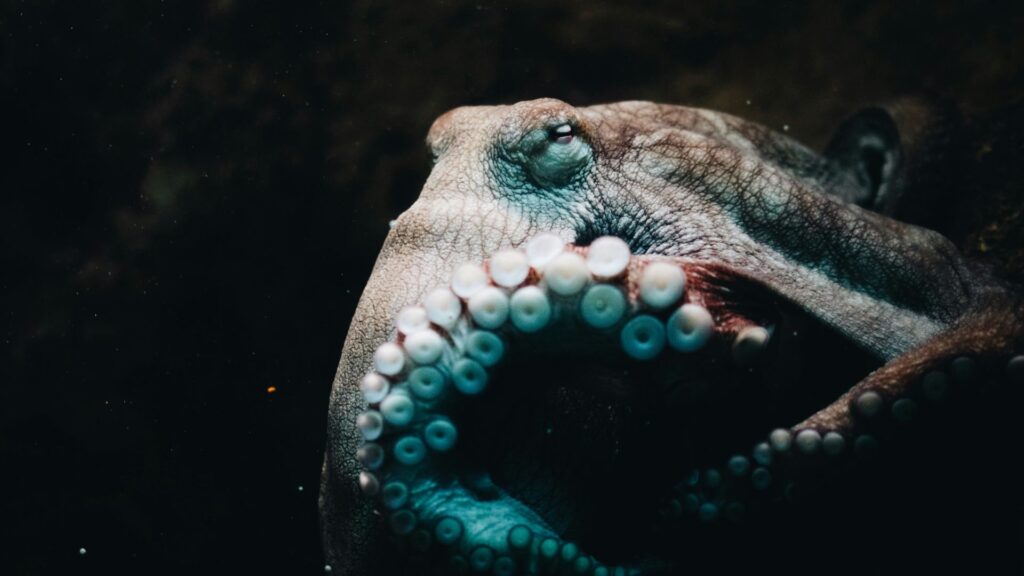
Octopus venom and ink contain compounds that scientists think could help in medical research. Some proteins in their venom show effects that may target cancer cells. The ink also carries antioxidants that researchers want to study further. These natural defenses work so well for octopuses, and that makes them stand out to science. So when labs test how these compounds react in controlled settings, the results could give new ideas for future treatments.
Targeting Cancer Cells Safely

Researchers study how octopus proteins can attack cancer cells without damaging healthy ones. Some compounds show precision that standard treatments sometimes lack. So scientists are hopeful these natural proteins might offer safer paths for patients. The idea is to target harmful cells while keeping the body strong. It’s still early work, yet every test gives more insight. Just knowing octopuses hold these unique abilities makes the research field feel fresh and exciting.
Melanoma Treatment Breakthrough

Scientists recently tested a protein from octopus venom on melanoma cells, and the results looked encouraging. The protein slowed the growth of harmful cells, so researchers see a path worth studying further. Melanoma often spreads quickly, which makes any progress stand out. The idea that an ocean creature carries a compound with such power feels remarkable. Just one study can spark more trials, and that keeps interest high in how octopuses might guide treatment.
Reduced Side Effects Compared to Traditional Therapies

Standard cancer treatments can often leave patients drained, but proteins from octopuses may work more gently. Early research shows some compounds target only the cancer cells, so healthy tissue stays safer. That makes scientists hopeful for therapies with fewer harsh side effects. Patients could just focus on healing without as much strain. The idea feels promising, and every new study adds another layer to how octopus biology could shape future cancer care.
Early Experimental Results and Testing

Laboratories have started running tests on octopus proteins, and the early findings look encouraging. Some compounds slowed tumor growth in controlled studies, so researchers see real potential worth following. Testing also showed that healthy cells stayed safer, which gives even more reason to keep studying. The progress feels steady, and every trial adds more clarity. Scientists just want to see how far these results can go, and that keeps the momentum moving forward.
Role of Octopus Ink in Fighting Multiple Cancers

Octopus ink isn’t only a defense in the ocean. Scientists found it holds compounds that may work against different cancers, including breast and colon. The ink carries antioxidants that protect cells, so researchers see it as worth testing further. Results so far suggest it could slow tumor growth, and that makes labs pay closer attention. Just knowing a natural defense like ink shows promise gives science another path to follow with real curiosity.
Future Prospects for Cancer Therapy Development

Octopus research is still in early stages, yet scientists see many paths ahead. Proteins and compounds from these animals could inspire new therapies that are safer and more precise. So studies continue with the hope of turning lab results into treatments that doctors can use. Every test adds more knowledge, and that just builds momentum for the future. The idea that cancer therapies may one day trace back to octopuses keeps researchers motivated.
Where Octopus Research Could Lead Next

Octopuses may look like unlikely partners in cancer research, yet their biology keeps surprising scientists. Venom, ink, and proteins all show promise in early studies. So the next step is more testing to see how these compounds might work in real treatments. Every study adds new insight that could spark future therapies. The idea that ocean life may shape cancer care makes the research exciting to follow and worth keeping an eye on.
PetsFanatic Team
Pet Care Expert & Content Creator
Passionate about sharing knowledge and tips for better pet care. Writing about everything from pet health to training techniques.