
Da Vinci Sketch Unveils Secret Tunnels Beneath an Ancient Castle

Leonardo da Vinci’s notebooks have always sparked fascination, and now one sketch has led archaeologists to an unexpected find. Researchers followed his detailed drawing and uncovered hidden tunnels beneath an ancient castle in Italy. The discovery came after a close study of da Vinci’s precise lines and notes. What looked like a simple sketch turned out to map something real. The team traced the design, dug deeper, and revealed stone passages that had been sealed away for centuries.
Polytechnic University Team Uses Ground-Penetrating Radar

A research group from Milan’s Polytechnic University brought in ground-penetrating radar to check beneath the castle walls. The scans lit up the underground layout and showed hidden passages that lined up with da Vinci’s sketch. So the drawing wasn’t just theory after all, it connected straight to what lay underground. The radar gave them a map to follow, and once the signals came back, the team had proof that the centuries-old tunnels were still there.
Sforza Castle Tunnels Match Renaissance Artists’ Drawings
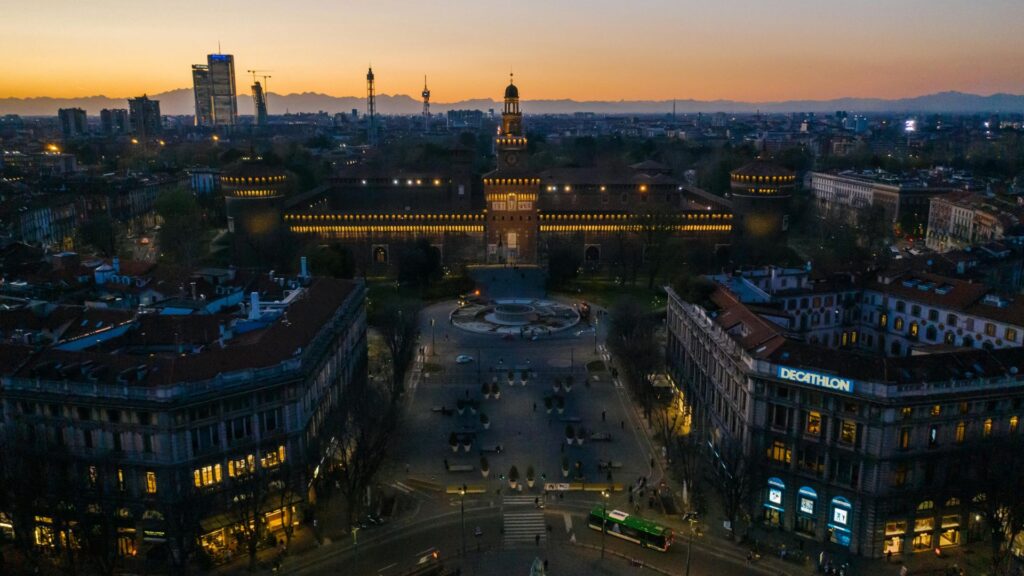
The radar results matched da Vinci’s sketch with surprising accuracy. The hidden tunnels under Sforza Castle followed the same lines he drew centuries ago. So the researchers could trace his work straight onto the ground beneath them. It also showed how precise his observations were. The passages sat right where his notes suggested, giving the team a rare chance to see da Vinci’s drawing connect directly to stone walls still standing today.
Ludovico Sforza Created a Private Passage to Wife’s Tomb

The scans showed more than storage routes under the castle. They also revealed a private passage built for Ludovico Sforza. He wanted a hidden way to reach the tomb of his wife, Beatrice d’Este. So he had a tunnel designed to connect him directly to her resting place. That detail turned the find into something personal. It wasn’t only military planning, it was also about love, memory, and the bond he kept with her.
Digital Twin Technology Maps Medieval Castle Structures

Researchers didn’t stop once the tunnels were found. They also used digital twin technology to recreate the entire castle structure in 3D. So every arch, wall, and passage could be studied without digging further. The model let them test theories, trace connections, and share the hidden design with others. It just gave the team a fresh way to see how the castle looked centuries ago, with da Vinci’s notes now layered into the virtual build.
Underground Routes Connect Castle to Santa Maria Basilica
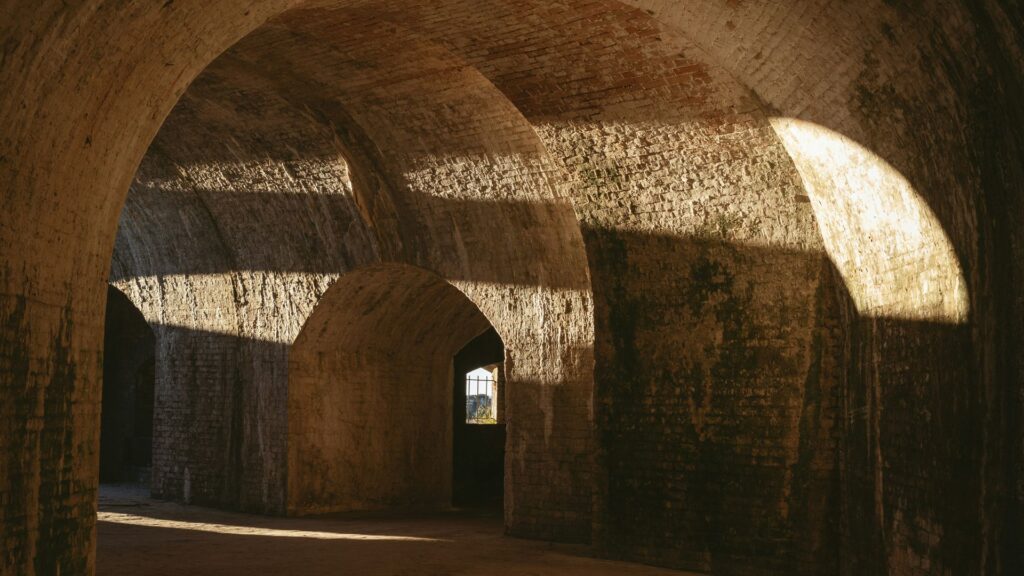
The study showed that the hidden passages continued past the castle walls. They also reached toward the Santa Maria delle Grazie Basilica, where da Vinci painted The Last Supper. So the underground routes linked two of Milan’s most well-known landmarks. Researchers traced the design and found a direct path between the castle and the basilica. The tunnels revealed how people could move through the city in ways that stayed hidden from public view.
Researchers Confirm Half-Mile Military Escape Tunnel

The scans also pointed to a massive underground passage built for defense. Researchers confirmed a half-mile escape tunnel that stretched from the castle toward the outside of the city. So it wasn’t only a hidden path, it gave troops a way out during danger. The size made the find even more striking. The route showed just how much thought went into protecting the fortress, and it also gave the team a clear view of its scale.
Leonardo da Vinci Documented Secret Passages in 1495

In 1495, Leonardo da Vinci sketched details of Sforza Castle that hinted at hidden routes below the surface. His notebook showed tunnels, storage areas, and connections that matched what researchers uncovered. So the pages he filled more than 500 years ago carried clues that stayed accurate over time. The team now had a direct link between Renaissance notes and real underground passages, turning his drawings into working plans that guided their investigation.
Da Vinci’s Sketch Still Guides New Discoveries

Archaeologists proved that da Vinci’s drawings can still lead to real finds centuries later. His notes brought a hidden network of tunnels back into view, and modern tools confirmed what he saw. So the castle’s underground paths now stand as both history and evidence of his sharp eye. The project showed how old sketches and new technology can work together. Researchers just opened the door for more studies that may reveal even more secrets.
PetsFanatic Team
Pet Care Expert & Content Creator
Passionate about sharing knowledge and tips for better pet care. Writing about everything from pet health to training techniques.