
Biotech Firm Brings Extinct Wolf Back to Life With Ancient DNA

Colossal Biosciences sparked fresh buzz after unveiling three pups built with help from dire wolf DNA. The sight of snowy white fur and oversized paws drew plenty of curiosity. The company says the pups carry traits pulled from ancient fossils. Scientists outside the project want closer inspection before accepting the label. Even with the debate, the idea of ancient genetics shaping living animals pulls readers into a story that blends lab work and old Ice Age history.
Dire Wolves In Ice Age History

Dire wolves once roamed the Americas during the Ice Age, and their build set them apart from modern wolves. They carried stout bodies and strong skulls, so they stood out as one of the larger predators of their time. Fossils show how they lived alongside other Ice Age animals, but the species faded as the era ended. The image of these powerful animals lingering in old sediment adds a grounded sense of history to today’s research story.
Colossal’s Gene-Edited Wolf Pups
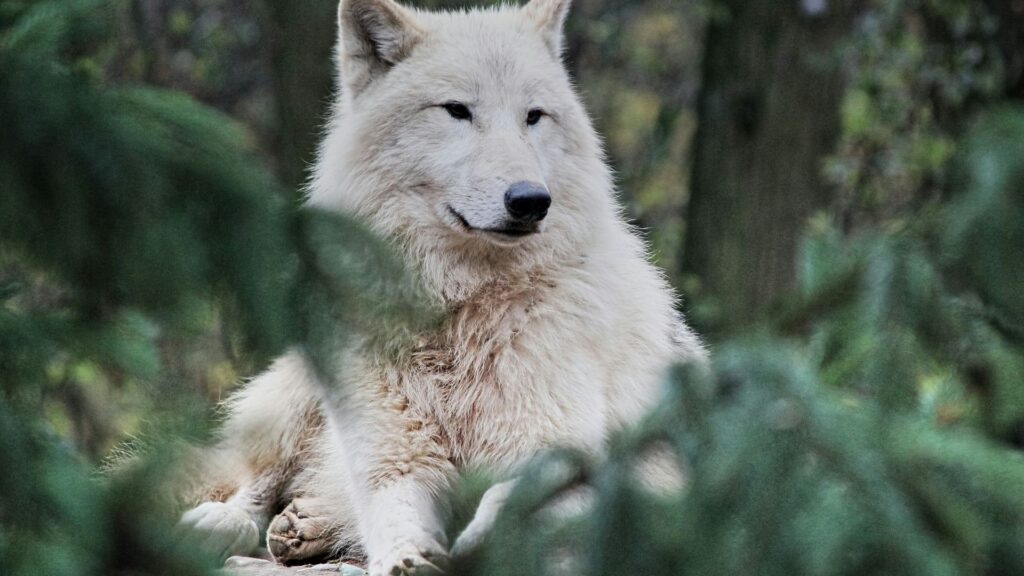
Colossal introduced three wolf pups built through gene editing, so the announcement drew quick attention. The pups carry white fur and a set of traits guided by ancient dire wolf DNA, and the company treats them as proof of concept for its project. The team shaped the pups through edited gray wolf cells and modern cloning work. The idea sounds bold, but it also gives readers a direct look at how far genetic science has reached.
Ancient Fossils Used For DNA
Ancient fossils supplied the genetic material Colossal needed, and the team worked with care to gather it. A tooth from Sheridan Pit in Ohio offered DNA from roughly 13,000 years ago, and an inner ear bone from Idaho added even older material. Scientists pulled what they could from each piece, so the project had enough data to guide edits in gray wolf genes. The idea feels bold and also grounded in the long history locked inside those remains.
Editing Gray Wolf Genes

Colossal scientists edited gray wolf genes to add traits drawn from dire wolf DNA, so the work stayed rooted in small, targeted changes. They selected twenty genes and adjusted each one, and the cells began to carry features linked to the extinct species. The team approached the process step by step, and the edits created a template for the pups that followed. The idea feels direct and also shows how modern tools can shape living cells with ancient data.
Cloning And Surrogate Dog Births

Cloning took center stage once the edited cells were ready, so the team created embryos and moved them into surrogate dog mothers. Three dogs carried the pregnancies, and each one delivered a pup linked to the project. The process used familiar cloning steps, and the dogs offered a stable path for bringing the embryos to term. The outcome gave Colossal a way to turn lab work into living animals, and the pups marked a clear milestone in the company’s effort.
Size And Traits Of The New Pups

Colossal highlighted the size of the pups early on, and the numbers help readers picture how fast they’re growing. Romulus and Remus reached about eighty pounds at six months, so they already sit above many gray wolves of the same age. Khaleesi followed at a lighter weight since she’s younger, but she still shows the same strong build. The company pointed to wider heads and stronger jaws as traits linked to dire wolves, and the pups carry those features now.
Debate Over Calling Them Dire Wolves
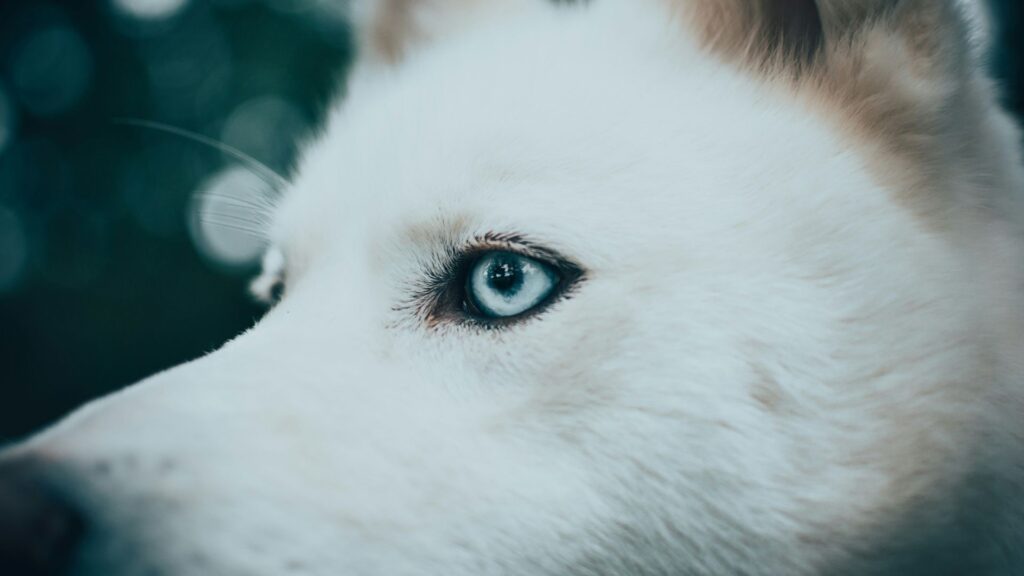
Colossal refers to the pups as dire wolves, and the claim drew mixed reactions, so the conversation around the label keeps growing. Company leaders say the project aims to restore traits linked to the extinct species, and they view the pups as a step toward that goal. Outside experts see them as genetically modified gray wolves, and they want more data before accepting the name. The debate stays active, and the topic keeps pulling in scientists and curious readers alike.
Expert Skepticism Toward The Project

Some experts greeted the announcement with caution, and their feedback adds a steady counterpoint to the excitement around the pups. Corey Bradshaw from Flinders University questioned the long-term practicality of reviving an extinct species, and he also raised doubts about how far the method can go. His comments reflect a wider scientific pause, so the project continues under closer watch. The discussion gives readers a grounded look at how researchers weigh new claims in emerging genetic work.
What Comes Next For These New Pups

Colossal’s work opened a fresh chapter, and the next steps will shape how people view projects like this. The pups already sparked interest, so more updates will keep attention on their growth and behavior. Scientists plan to watch how the added traits develop, and the company says the project will move forward with care. Readers can follow along as the pups grow and the research steadily moves into its next stage.
PetsFanatic Team
Pet Care Expert & Content Creator
Passionate about sharing knowledge and tips for better pet care. Writing about everything from pet health to training techniques.