
Baboons Fed to Lions and Tigers After Zoo Culling—Staff Receiving Death Threats

What started as a population-control measure at Nuremberg Zoo turned into a lightning rod for outrage. Twelve healthy Guinea baboons were culled due to overcrowding, and some were fed to lions and tigers. The public reaction was fierce. Staff began receiving death threats, sparking protests and police involvement.
Twelve Baboon Cull Triggered Controversy

On July 29, Tiergarten Nuremberg zoo unexpectedly euthanized twelve healthy Guinea baboons. Officials explained that overpopulation had exceeded enclosure capacity and relocation options had failed. The move sparked immediate outrage. Animal rights groups and local citizens accused the zoo of poor planning and disregard for life. The escalation into public backlash was both swift and intense.
Carcasses Used for Research and Predator Feeding

to carnivores, including lions and tigers. The zoo emphasized that whole carcasses offer behavioral and dental benefits to predators. They insisted that the feeding was communicated in advance to visitors. While some applauded the efficient use, critics labeled it cold and unnecessary.
Removed for Sensitivity

To avoid shocking visitors, the zoo removed heads, hands, and feet before feeding the carcasses. Heads and brains were reserved for research purposes. Deputy director Jörg Beckmann stated that this decision respected visitor sensibilities while still achieving dietary and behavioral goals for the predators.
Zoo Staff Received Death Threats and Abuse

Following the cull and feeding of baboons, staff began receiving violent threats. Zoo officials reported messages such as “we will kill you and feed you to the lions.” In some cases, staff were even compared to Josef Mengele. The threats triggered a formal police investigation and heightened security measures.
Activists Filed Criminal Complaints and Protested

Animal welfare groups filed over a hundred criminal complaints against zoo management, calling the cull a violation of animal protection laws. Activist group Animal Rebellion camped near the zoo and staged protests, with some protesters attempting to gain entry. Authorities made arrests during these demonstrations, signaling escalating legal and political pressure.
Zoo Argues It Was a Last Resort

Zoo director Dag Encke defended the action by explaining that attempts to rehome the baboons or use contraception had failed. Overcrowding had led to escalating aggression among the troop, which itself would violate welfare standards. He described the cull as a last resort meant to protect the group’s long-term wellbeing and ecological balance in captivity.
Ethical Debate Mirrors Past Zoo Controversies

The situation parallels past controversies, such as Copenhagen Zoo’s 2014 euthanasia of a young giraffe, Marius, which was then fed to lions. Experts warn that such cases highlight larger ethical concerns about zoos treating animals as replaceable. Critics argue these practices erode public trust and demand systemic reform in zoological animal management.
Public and Legal Scrutiny Intensifies

With criminal complaints filed and public protests growing, the zoo faces mounting scrutiny from legal, ethical, and regulatory angles. Animal-rights advocates see this as an inflection point, pushing for stricter oversight and more humane protocols in zoo population management. The fallout may drive broader change on how zoos balance conservation with compassion.
When Policy Meets Outrage
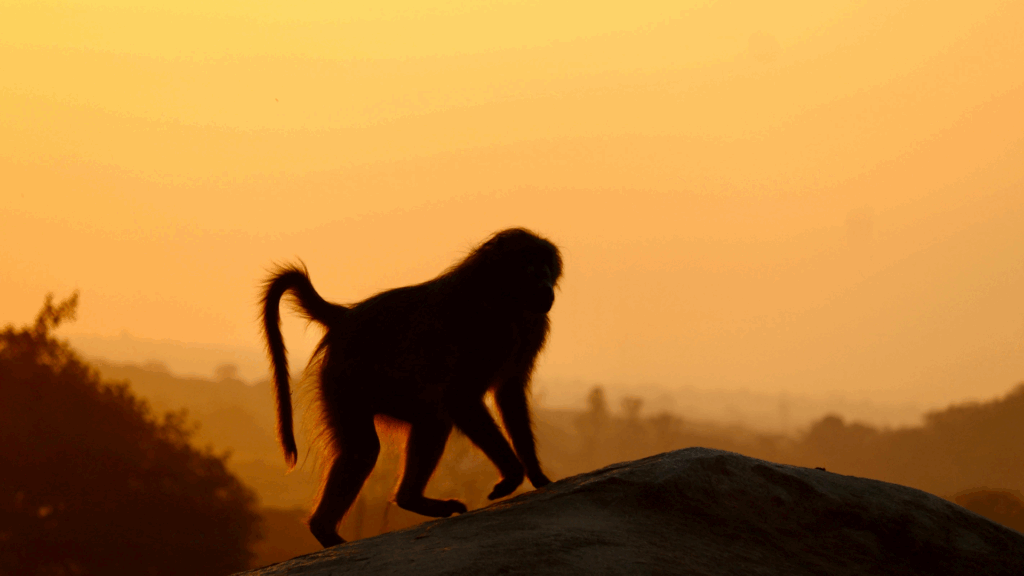
What began as a population-control measure turned into a headline scandal. The culling of the baboons in defense of species stability sparked emotional reactions, legal complaints, and threats that underscore how fraught the line between animal welfare and survival policy can be.
PetsFanatic Team
Pet Care Expert & Content Creator
Passionate about sharing knowledge and tips for better pet care. Writing about everything from pet health to training techniques.