
Australian Woman Wakes With 8-Foot Python Coiled on Her Chest in Bed

An ordinary night in suburban Brisbane turned unsettling in a way few people ever expect, beginning with a sudden weight across the chest and an instinctive reach under the covers. That moment, half awake and searching for reassurance, quickly gave way to a realization that something unfamiliar shared the bed. As the room came into focus, the situation shifted from confusion to careful awareness, setting the tone for what would follow.
The woman, later identified as Rachel Bloor, soon learned an eight-foot carpet python had entered her second-story bedroom and settled across her while she slept. At first, the pressure felt familiar, which explains why her thoughts went to the family dog rather than anything more alarming. Moments later, the texture beneath her hand told a different story, and with that came a quiet effort to keep the situation contained and controlled.
From there, the focus moved to practical choices rather than panic, beginning with waking her husband and clearing the room of pets. Each action followed the last with steady intention, shaped by the need to avoid sudden movement. As light filled the room, the full scale of the encounter became clear, revealing a non-venomous python that had likely entered through a window, turning a private space into an unexpected wildlife crossing.
Carpet Python Identification
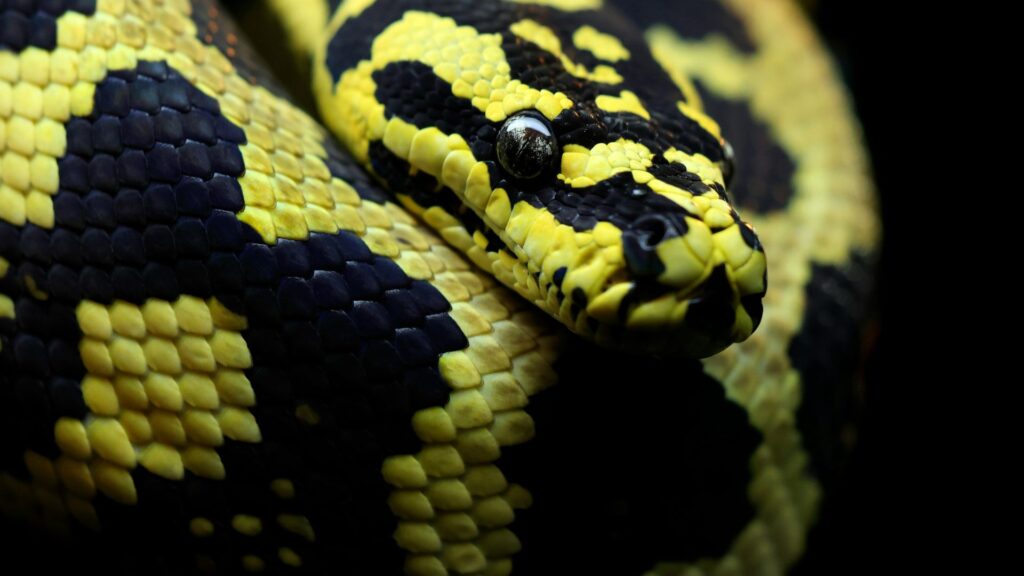
Carpet pythons rank among the most commonly encountered snakes in coastal Australia, which explains why wildlife officers quickly identified the animal found in the Brisbane bedroom. The species belongs to the python family and kills prey through constriction rather than venom, which often changes how experts assess risk during household encounters. That non-venomous status shapes how people respond once the snake gets spotted indoors.
Adults often reach lengths near eight feet, with patterned scales that help them blend into trees, roofs, and garden areas near homes. Their size allows them to travel quietly across fences, gutters, and window frames without drawing attention. That movement pattern helps explain how one could enter a second-story bedroom unnoticed during the night.
Snake catchers note that carpet pythons frequently seek warm, sheltered spaces, especially during breeding periods and hot weather. Residential features like shutters, garage gaps, and roof cavities offer access points that mimic natural hiding spots. As housing continues to push closer to bushland, encounters inside homes follow that same path of opportunity rather than aggression.
Why Snake Sightings Are Increasing

Snake sightings across suburban Australia have become more common, and wildlife experts tie that pattern to seasonal behavior rather than population growth. As warmer weather settles in, snakes move more frequently in search of food and shelter, which increases the chances of crossing paths with people. That activity becomes more visible once the breeding season ends and eggs begin to hatch.
Housing expansion adds another layer to that pattern, since new developments continue to press into bushland that once served as an undisturbed habitat. Snakes displaced from those areas follow natural movement paths that now lead through backyards, garages, and roof spaces. Residential properties often offer shade, warmth, and cover that resemble the environments snakes already seek.
Everyday building features also make entry easier than many homeowners realize. Small gaps around garage doors, shutters, and vents allow snakes to slip inside without forcing access. Once indoors, they tend to settle quietly in dark or elevated spaces, which explains how encounters can happen without warning, even in upper levels of a home.
Living With Wildlife at the Urban Edge

Encounters like this one highlight how wildlife and residential areas increasingly overlap, especially in coastal Australian cities. Wildlife officers often remind residents that snakes remain protected animals, which means removal usually falls to licensed handlers rather than homeowners. That framework shapes how authorities respond once snakes enter private property.
Preventive guidance tends to focus on reducing access rather than reacting after an encounter occurs. Sealing small gaps around doors, shutters, and rooflines lowers the chances of snakes entering enclosed spaces. Keeping yards clear of dense ground cover also reduces shelter that attracts prey animals, which then draws snakes closer to homes.
Public awareness campaigns now stress calm responses during unexpected encounters, since sudden movement can escalate risk. Snake catchers regularly encourage residents to contact professionals instead of attempting removal themselves. That approach reflects a broader effort to manage coexistence as suburban growth continues to intersect with native wildlife movement patterns.
PetsFanatic Team
Pet Care Expert & Content Creator
Passionate about sharing knowledge and tips for better pet care. Writing about everything from pet health to training techniques.