
Archaeologists Unearth a Jar Filled With Thousands of Ancient Roman Coins
Archaeologists working beneath a quiet town in northeastern France weren’t expecting anything dramatic at first, so the dig began like many others. They opened the soil carefully, layer after layer, because that’s how forgotten neighborhoods usually come back into view. From there, walls appeared, then floors, and then signs of daily life that once filled the space with noise and movement. So then the ground started telling a story about people who lived, worked, and saved money right where modern streets now sit.
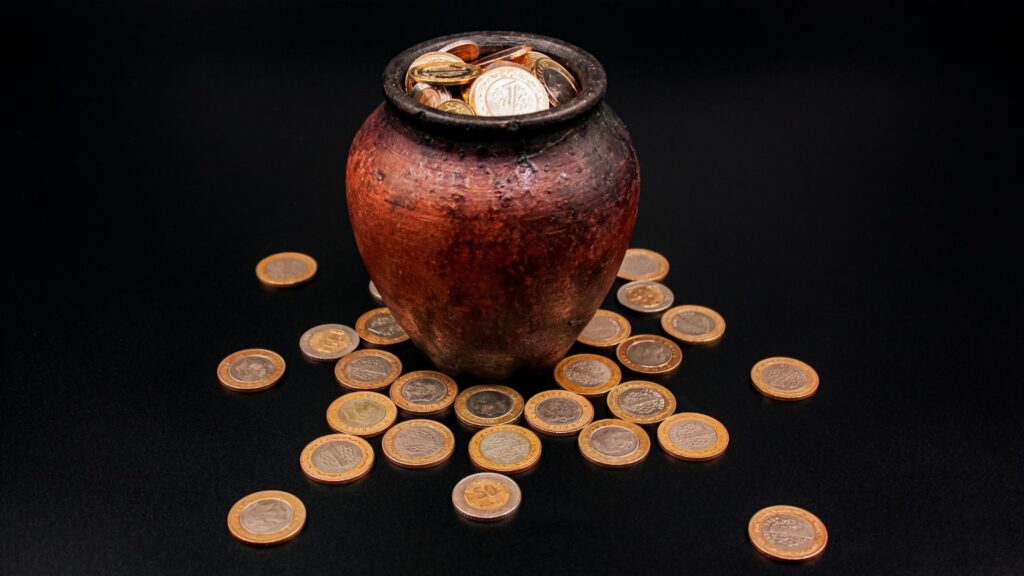
At that point, the excavation shifted from routine to startling, because one ceramic jar surfaced with a weight that didn’t match its size. When researchers looked inside, the vessel was filled to the brim with bronze and copper coins, suggesting that someone had buried a fortune and never returned. From there, two more jars emerged nearby, each packed in the same careful way, so the idea of chance quickly fell away. That’s why the finding points toward a habit, not a panic.
So the focus turned to the neighborhood itself, because coins don’t exist without context. Stone houses, paved streets, and heated rooms surrounded the jars, which suggests people planned for stability even during unrest. In turn, the buried coins offer a rare glimpse into how families stored wealth at home, waiting for a future that never arrived.
Household Coin Storage Inside Roman Homes
People living in Senon didn’t treat money as something distant or abstract, so they kept it close to daily life. Archaeologists found ceramic jars sunk directly into house floors, and as a result, the coins remained accessible without being visible. From there, the jars functioned like built-in storage, which means residents could add or remove coins as needed. So the placement shows planning tied to routine movement inside the home.
Each vessel sat with its opening level to the floor, so that someone standing above could reach inside without digging. In turn, coins stuck to the outer surfaces suggest repeated handling over time, because deposits continued after burial. That’s why researchers see these jars as working reserves rather than forgotten stashes. From there, the idea of regular household saving starts to take shape.
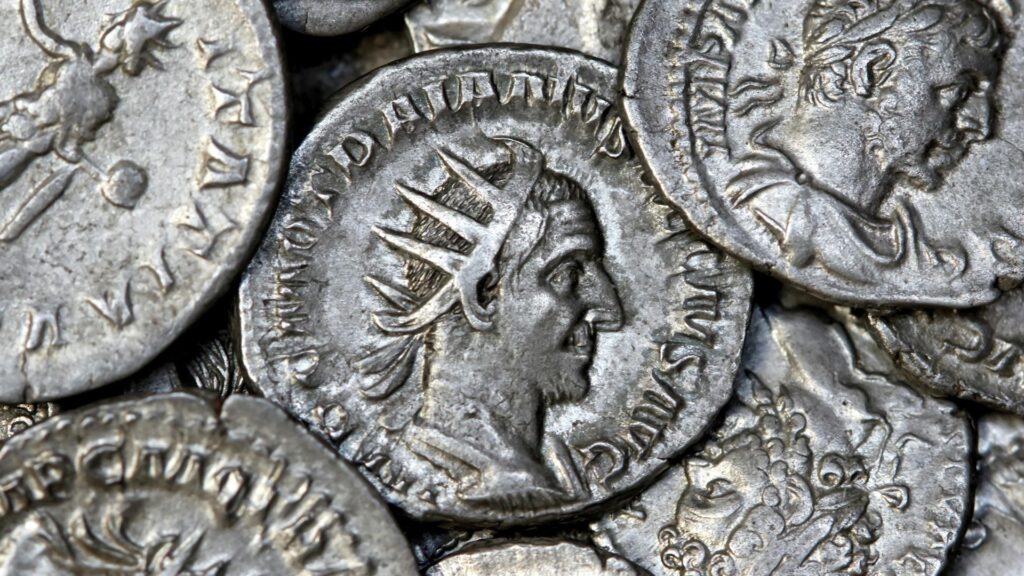
The coins themselves came from different points in the third century, which means families added money across years rather than all at once. At that point, nearby fortifications matter because soldiers and officials operated close to these homes. So the jars likely supported wages, trade, or payments tied to local administration.
Fire, Rebuilding, and the Final Abandonment of Senon

Fire reshaped life in Senon more than once, so traces of ash appear across the neighborhood. One major blaze surfaced in layers dating to the early fourth century. Because of that, archaeologists link it to a moment of instability. From there, homes show signs of damage that forced residents to rethink how they used space. At that point, the buried coin jars make sense as daily life continued above growing uncertainty.
People didn’t leave right away, so then rebuilding efforts followed the first fire. Walls rose using reused stone, which means broken columns and temple blocks gained a new purpose. From there, cellars stayed active, and houses remained occupied for decades. In turn, the town shifted into a more improvised form, shaped by what remained standing.
Another fire arrived later in the fourth century, so recovery stopped altogether. At that point, homes collapsed and courtyards filled with debris, which means access to stored coins disappeared. From there, vegetation slowly covered the ruins as farming replaced housing. In turn, Senon faded from memory until modern excavation brought the site back into view.
What the Buried Coins Reveal About Everyday Roman Life
The jars beneath Senon don’t point to a single dramatic moment, so they pull attention toward ordinary routines. People tucked money under their floors because the money stayed close to daily movement inside the home. So then the coins start to feel like something handled and tracked, which means the jars likely held deposits added over time. That’s why the find reads like a practical system rather than a forgotten stash.
The neighborhood around the jars adds texture, so streets, houses, and courtyards frame the money in a real place. At that point, traces of ovens, heated rooms, and storage spaces show how busy the district once was, which means the coin jars sat inside an active household setting. Because of that, later ash layers matter since fires changed the town’s rhythm more than once. In turn, rebuilding with reused stone suggests residents kept going with whatever materials stayed within reach.
Modern excavation brings those decisions back into view, so the coins now connect today’s builders and researchers to ancient homeowners. At that point, the jars invite a simple takeaway, which means people planned for the future in ways that still feel familiar. So then the site pushes archaeologists to look closely at floors, corners, and ordinary objects, because those spots often hold the clearest clues.
PetsFanatic Team
Pet Care Expert & Content Creator
Passionate about sharing knowledge and tips for better pet care. Writing about everything from pet health to training techniques.