
Archaeologists Uncover Giant Sarcophagus Of Pharaoh Erased From History

Archaeologists in Egypt have brought attention to a massive sarcophagus that belonged to a long-forgotten pharaoh. The find came from a site in Abusir, an ancient necropolis near Cairo. The stone coffin stretches nearly thirteen feet and shows signs of weathering, but still carries detailed carvings. Researchers believe it once held a ruler erased from official records. The discovery adds new context to Egypt’s Old Kingdom, a period known for elaborate tombs and fascinating burial practices.
Giant Sarcophagus Discovered 23 Feet Underground

Archaeologists digging in Abusir just outside Cairo uncovered a massive stone sarcophagus buried about 23 feet below the surface. The coffin measures nearly thirteen feet long and shows detailed carvings that have held up after centuries underground. Researchers say it belonged to a pharaoh whose name was removed from records, making the find even more striking. The depth of the burial site also shows how much effort went into hiding and preserving this tomb.
King Senaiib or Paentjeni Occupy Mysterious Royal Chamber
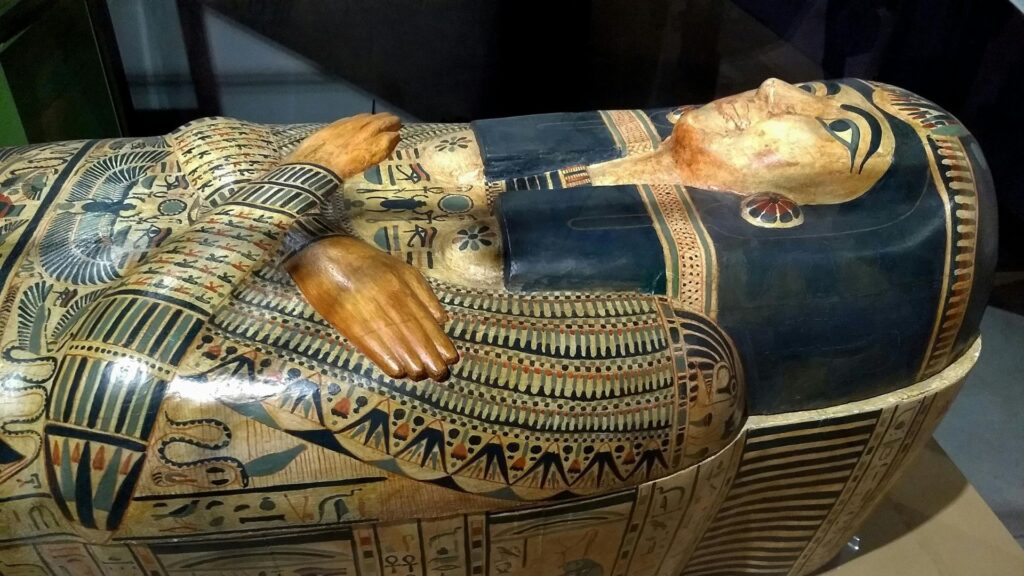
Researchers studying the Abusir tomb think the sarcophagus belonged to either King Senaiib or Paentjeni, two rulers whose names barely appear in ancient records. The chamber held fragments and inscriptions that gave clues to their identity, so experts are piecing the story together carefully. It’s rare to find a burial site tied to forgotten leaders, and the evidence adds a fresh layer to what we know about pharaohs who almost vanished from memory.
Abydos Dynasty Ruled Between 1640 and 1540 BC

Archaeologists linked the tomb to the Abydos Dynasty, a short-lived line of rulers who governed between 1640 and 1540 BC. The dynasty often gets overlooked, so finding traces tied to it feels like opening a page that was missing from the story. Researchers believe the burial belonged to one of its forgotten kings, and the scale of the sarcophagus shows how much power these rulers still held, even during a turbulent period in Egypt’s history.
Ancient Grave Robbers Destroyed Hieroglyphs

Archaeologists found that grave robbers had broken into the chamber centuries ago and left heavy damage behind. They smashed walls and scratched out hieroglyphs, so many of the writings that could have told the pharaoh’s story are gone. Some markings survived, just enough for experts to piece together parts of the ruler’s identity. The damage makes the intact sarcophagus even more remarkable, since it still offers rare evidence of a king almost erased from history.
Isis and Nephthys Painted on Decorated Tomb Walls

Inside the chamber, archaeologists spotted colorful paintings of the goddesses Isis and Nephthys. The artwork stretches across the walls and shows the figures protecting the buried ruler. Some sections faded with time, but the detail that survived still stands out, so experts can study the artistry and meaning behind it. The images also connect the pharaoh to rituals of protection and rebirth, which adds just another layer of intrigue to the already striking tomb.
Sacred Anubis Mountain Houses Sprawling Royal Cemetery

The sarcophagus turned up in a burial ground known as the Sacred Anubis Mountain, a site filled with tombs of ancient rulers and high officials. The cemetery stretches across a wide area and shows how Abusir served as a major center for burials during the Old Kingdom. Archaeologists say the scale of the site makes every new chamber exciting, so this find just adds another piece to the puzzle of Egypt’s royal history.
Radar Surveys Target 100000 Square Feet Desert

Archaeologists also turned to radar surveys to scan about 100000 square feet of desert around the Abusir necropolis. The technology let them see what lay beneath the sand without digging every inch, so they could map hidden chambers more efficiently. The scans pointed researchers toward underground structures that led to the sarcophagus. It shows how modern methods can guide traditional excavations, and it just makes the discoveries feel even more rewarding when the evidence matches.
Official King Lists Omitted Abydos Rulers From Records

Ancient king lists left out the Abydos rulers, so their names almost disappeared from history. Scribes recorded long dynasties of pharaohs but skipped over these kings, leaving only scattered traces of their reigns. That silence in the records makes every tomb linked to them feel like a breakthrough. Archaeologists now piece together fragments of identity from damaged walls and burial goods, so the story of rulers once erased is finally starting to surface again.
Ancient Egypt Still Has More to Tell

The giant sarcophagus at Abusir reminds us that Egypt continues to surprise. Each excavation uncovers pieces that were hidden for centuries, so there’s always something fresh waiting beneath the sand. Forgotten kings, painted walls, and broken hieroglyphs all connect us to a story still unfolding. Archaeologists will keep searching, and their finds will keep reshaping what we know. The next discovery might already be sitting just a few feet deeper, waiting for its turn.
PetsFanatic Team
Pet Care Expert & Content Creator
Passionate about sharing knowledge and tips for better pet care. Writing about everything from pet health to training techniques.