
Archaeologists Reassemble Ancient Fragments Dubbed the ‘World’s Most Difficult Jigsaw Puzzle’

Archaeologists in London have pulled off a puzzle for the ages. After uncovering thousands of painted plaster fragments from a Roman villa, experts spent months sorting the fragile pieces until the artwork began to reappear. Bright colors, delicate patterns, and even ancient graffiti started to take shape. Each shard offered a tiny clue to what once decorated a grand Roman home, now brought back together after nearly two thousand years beneath the city.
Ancient Roman Villa Unearthed Beneath London
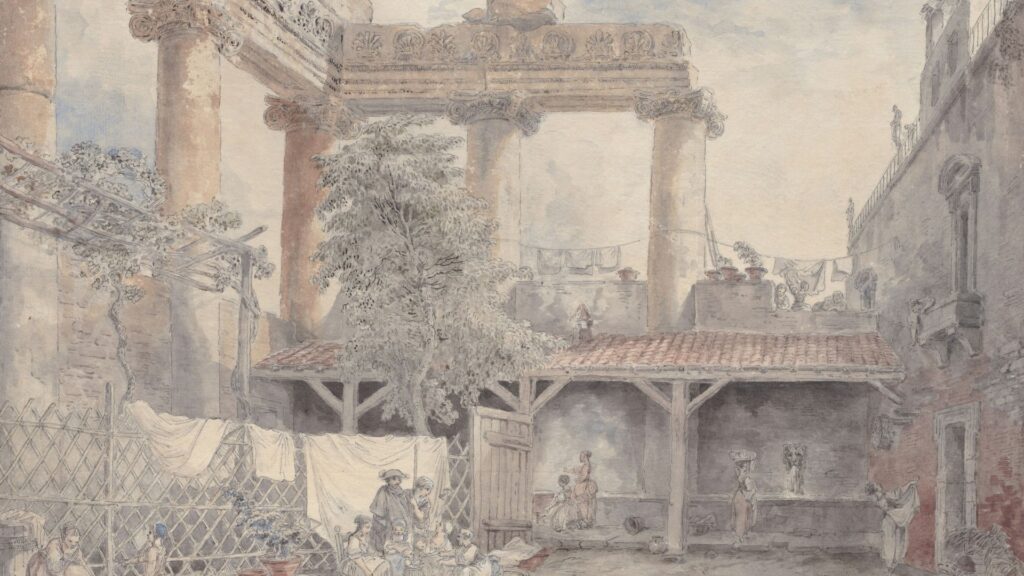
Archaeologists uncovered a lavish Roman villa buried beneath modern London, once part of the ancient town of Londinium. The home stood between 43 and 150 C.E. before it was destroyed and buried for centuries. Excavations began when the site was cleared for new homes and offices, and what they found surprised everyone. Beneath layers of soil, the team found a glimpse of Roman luxury that had survived nearly two thousand years in remarkable detail.
Thousands of Fragments Found During Excavation
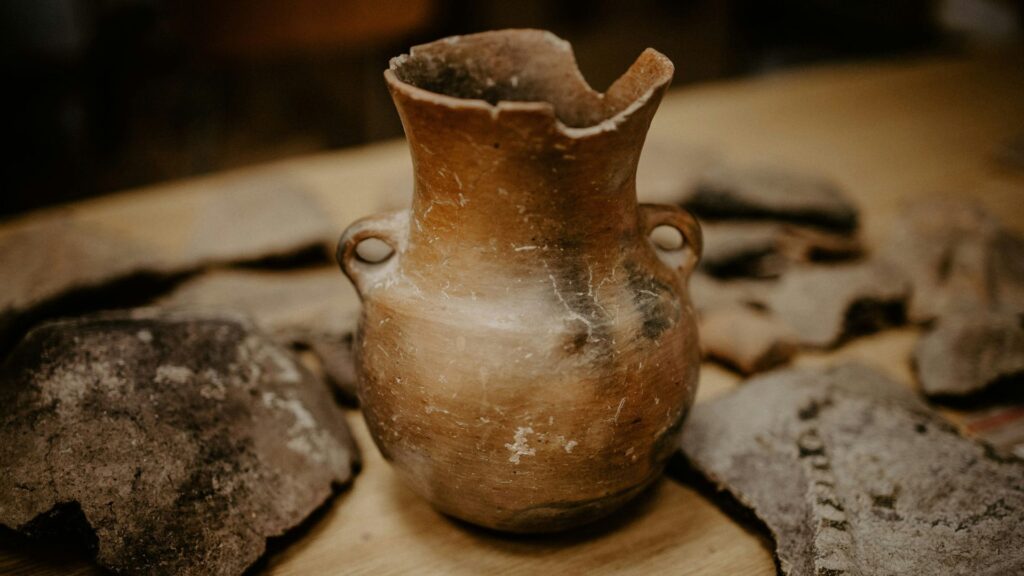
Archaeologists found thousands of plaster fragments while preparing land for a new development in central London. The site was meant for homes, offices, and shops, but the excavation uncovered remains of a Roman villa hidden beneath the city. The team also found mosaics and a well-preserved mausoleum nearby. Each discovery added more pieces to the story of how Roman London once looked, so the find quickly turned into something far more remarkable than anyone expected.
Archaeologists Take on a Massive Reconstruction

Archaeologists spent months sorting through thousands of plaster pieces, trying to match colors, textures, and patterns that once decorated the villa’s walls. The fragments came from different rooms, so the process felt a bit like solving an ancient puzzle without knowing the final picture. Each tiny piece had to fit perfectly, and when they started seeing birds, fruit, and flowers appear again, the effort suddenly felt worth every careful move and patient hour spent.
Frescoes Reveal Bright Colors and Intricate Designs

As the pieces came together, the artwork’s vivid details started to appear. The frescoes showed fruit, flowers, birds, and even musical instruments that once brightened the villa’s walls. One panel stood out for its bright yellow color, a rare shade in Roman Britain. Some sections looked like imitations of luxury stones, including red porphyry from Egypt and yellow marble from Africa, showing how much care went into decorating the home’s interior.
Signs of Wealth in the Villa’s Rare Yellow Pigments

One section of the fresco caught everyone’s attention for its bright yellow shade, rarely seen in Roman Britain. The color suggested that whoever lived there had money to spare. Some patterns even mimicked expensive wall tiles made from stones found in Egypt and Africa. The villa’s location in an upscale part of ancient London also hinted that it belonged to a wealthy family or perhaps served as a luxurious stopover for travelers passing through.
Graffiti Offers Clues to Roman Daily Life

Archaeologists found graffiti etched into the plaster, including nearly the full Greek alphabet. The markings looked casual, almost like someone practicing letters or keeping a tally. Similar finds in Italy suggest the alphabet was sometimes used as a checklist or reference. It gave researchers a small peek into everyday habits from centuries ago, so even a few scratched letters helped tell a story about the people who once moved through the villa’s halls.
Evidence Points to Trade and Commerce in Londinium

Some clues hinted that the villa wasn’t only a home. Researchers think parts of it may have been used for trade or storage. The graffiti and other markings suggested goods could’ve been kept there before being shipped across the Roman Empire. The idea fits with Londinium’s reputation as a growing hub for merchants, so the villa might’ve served more than one purpose in a city quickly becoming a center of Roman commerce.
Artists Behind the Frescoes Leave Their Mark

Archaeologists spotted the Latin word fecit, meaning “has made this,” carved inside a decorative frame used as an artist’s signature. The painter’s name wasn’t there, but that small trace gave a glimpse into the person behind the work. Researchers think the same artists may have painted another grand villa known as the Fishbourne Roman Palace. The matching bright yellow panels helped them connect the dots, so more of their work could still be waiting to be found.
A Glimpse Into Ancient Creativity

The fragments revealed color, design, and a link to artists who lived nearly two thousand years ago. Each restored section revealed skill, detail, and pride in their craft. The discovery turned a pit of broken plaster into a story of ancient artistry brought back to life. So as archaeologists piece together more finds like this, the picture of Roman London keeps getting a little clearer with every fragment they uncover.
PetsFanatic Team
Pet Care Expert & Content Creator
Passionate about sharing knowledge and tips for better pet care. Writing about everything from pet health to training techniques.