
Archaeologists Find 115,000-Year-Old Human Footprints Somewhere They Least Expected

Archaeologists found 115,000-year-old human footprints in a spot that caught everyone off guard. The impressions stretch across an ancient coastal area and reveal paths people once walked. Some prints show clear movement, like steps paused mid-stride. Scientists are studying the shapes and spacing to understand more about who made them. The site has already sparked excitement because it challenges what we thought about where humans lived so long ago.
Nefud Desert Site Reveals Ancient Human Migration
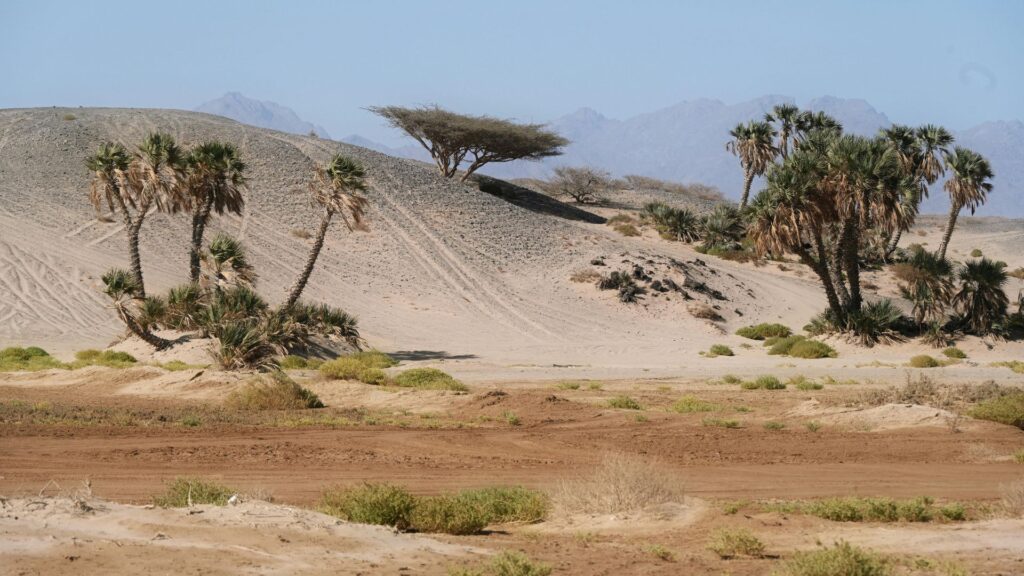
Archaeologists found human footprints in Saudi Arabia’s Nefud Desert that are over 100,000 years old. The tracks show people moving across the sand in small groups, so researchers can trace patterns of ancient migration. Some prints appear close together, while others are spaced out, hinting at different walking speeds. Scientists also spotted signs that the travelers paused, maybe to rest or observe. The site offers a rare glimpse into human life in a surprising desert area.
Seven Footprints Preserved in Dried Lakebed

Seven human footprints appeared in a dried lakebed in Saudi Arabia, so scientists could study their size and spacing. The prints suggest people walked slowly in a small group, and some impressions show they paused for a moment. Researchers also noticed details that hint at the weight and gait of the walkers. The preserved prints offer a surprising look at daily movement from over 100,000 years ago, giving a rare window into life in a desert setting.
Arabia Served as a Stepping Stone Out of Africa

Researchers see Arabia as a route humans took out of Africa over 100,000 years ago. The footprints show people moving across deserts and coasts, so scientists can trace early migration paths. Some marks suggest pauses or slow walking, hinting at how groups traveled together. They also reveal the size and pace of the walkers. Studying these trails gives a glimpse into human movement long before modern settlements appeared in the region.
Max Planck Institute Team Led Discovery

Researchers from the Max Planck Institute examined the site with high-tech tools, so they could capture even tiny details in the footprints. They also combined fieldwork with digital modeling to understand the surface and depth of each impression. The team shared scans and photos to let others study the prints remotely. Their approach blends careful observation with modern technology, giving a clear record of a site that has been hidden for over 100,000 years.
Elephant and Camel Tracks Found Alongside Humans

Alongside the human footprints, researchers noticed elephant and camel tracks, so they could see who shared the area long ago. Some prints overlapped or ran near each other, hinting that humans and animals moved through the space at similar times. The team also recorded the size and depth of the tracks to learn about the animals’ weight and gait. Seeing humans walk alongside these giants gives a vivid picture of life in the desert back then.
Alathar Lake Attracted Multiple Species to the Water
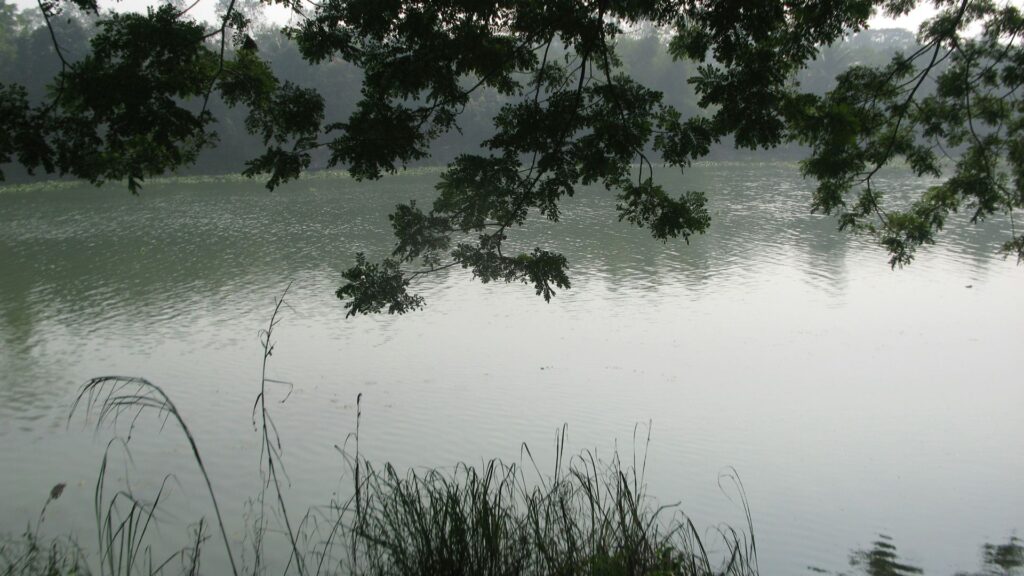
Alathar Lake just acted like a meeting spot for humans and animals over 100,000 years ago. Researchers found footprints from camels, elephants, and humans, so they could see how different species moved around the water. Some prints appear close together, hinting at brief pauses or slow walking. The team also noticed patterns that suggest the lake drew creatures regularly. Studying the site gives a clear view of how life clustered around water in the desert back then.
Green Corridors Connected Africa to Asia

Researchers think green corridors just offered paths for humans and animals to move from Africa into Asia. The footprints suggest people followed these routes, so scientists can trace how early migration happened. Some trails show pauses or changes in pace, hinting at rest stops or observation points. The team also studied nearby animal tracks to see how species shared the same paths. These corridors reveal how life navigated deserts and plains long before modern settlements appeared.
Footprints Reveal Stories Waiting to Be Explored

The 115,000-year-old footprints invite us to think about who walked these deserts long ago. Scientists can study them to learn more about movement, group sizes, and daily life. Visitors and researchers also gain a chance to see history preserved in sand and clay. Each step captured in the earth holds clues, so ongoing study and careful documentation keep uncovering new details. The site continues to offer insights into humans and animals from the distant past.
PetsFanatic Team
Pet Care Expert & Content Creator
Passionate about sharing knowledge and tips for better pet care. Writing about everything from pet health to training techniques.